
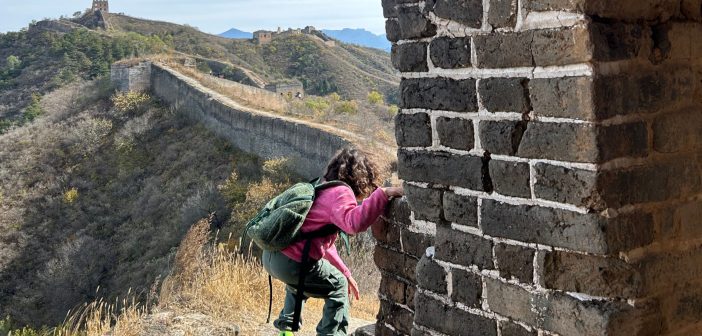
There’s something about trekking through nature that shifts the way we connect with our children. Escaping the everyday—schools, screens, the busyness of Beijing’s speedy pace—to immerse in forests and mountains, it feels like time slows down and space opens up to be more mindful of our surroundings. Breathing in green scents, crossing a cool stream, spotting a salamander, wondering what a tree species might be – hiking heightens our physical sensations and sense of wonder, and invites a new flow to conversations.
On top of promoting wellness and family bonding, hiking is time in nature’s classroom. Children develop resilience by learning how to persevere through challenges encountered along the way. How to deal with a flash rainshower? A stumble, cut knee, bug bite? Hangry parents? Their confidence grows when they are able to calmly handle unexpected situations, reach a summit, or complete a long trail. Finally, spending time with flora and fauna strengthens their appreciation for biodiversity and ecological stewardship.

So that’s the case for upping your family’s hiking game from occasional leisure to essential monthly ritual. But, how can you coax your little one into falling in love with conquering mountains from drama-prone preschoolers to too-cool teens? We ask Steven Zhang of Steven’s Hikes, who has 20 years of experience hiking around Beijing and across China, for his tips on turning ‘Are we there yet?’ into ‘Let’s summit!’
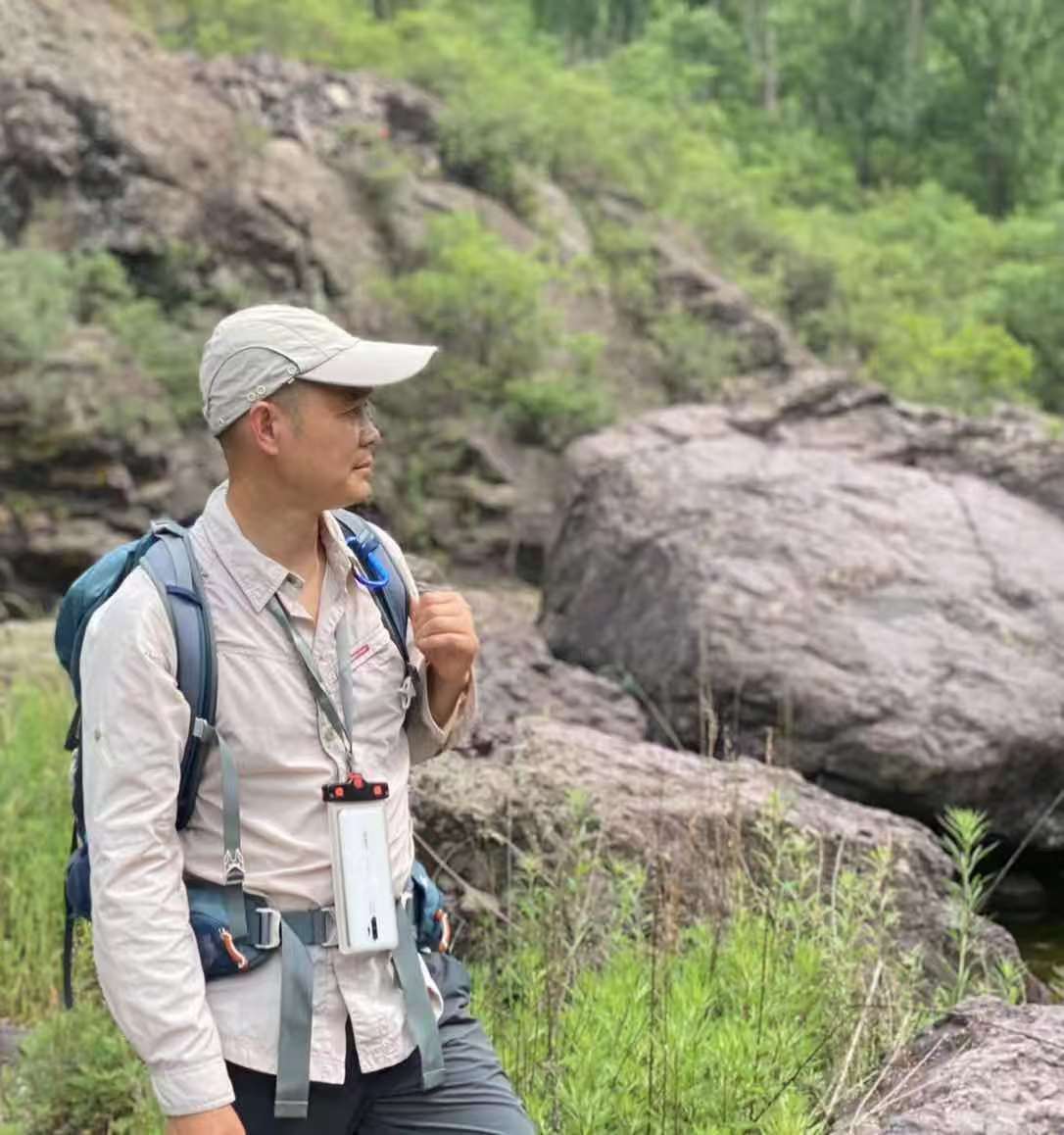 How to Choose Trails – According to Steven:
Start Small and Local. Nearby trails like Fragrant Hills or the National Botanical Gardens offer short, familiar routes that build confidence and enthusiasm to take on more challenging routes.
Match to Ability Level. As you build up to longer trails, opt for routes that match your child’s stamina. Consider distance, elevation gain, terrain, and total duration against her ability, pace, and attention span. Steven classifies five difficulty levels (L1-L5, see his QR code at the end of the article). A simpler rule to adapt for ability and age:
- Under 10: Flat, shaded trails, some moderate inclines, with interactive elements.
- Over 10: Introduce steeper inclines, longer distances, and set goals for summits.
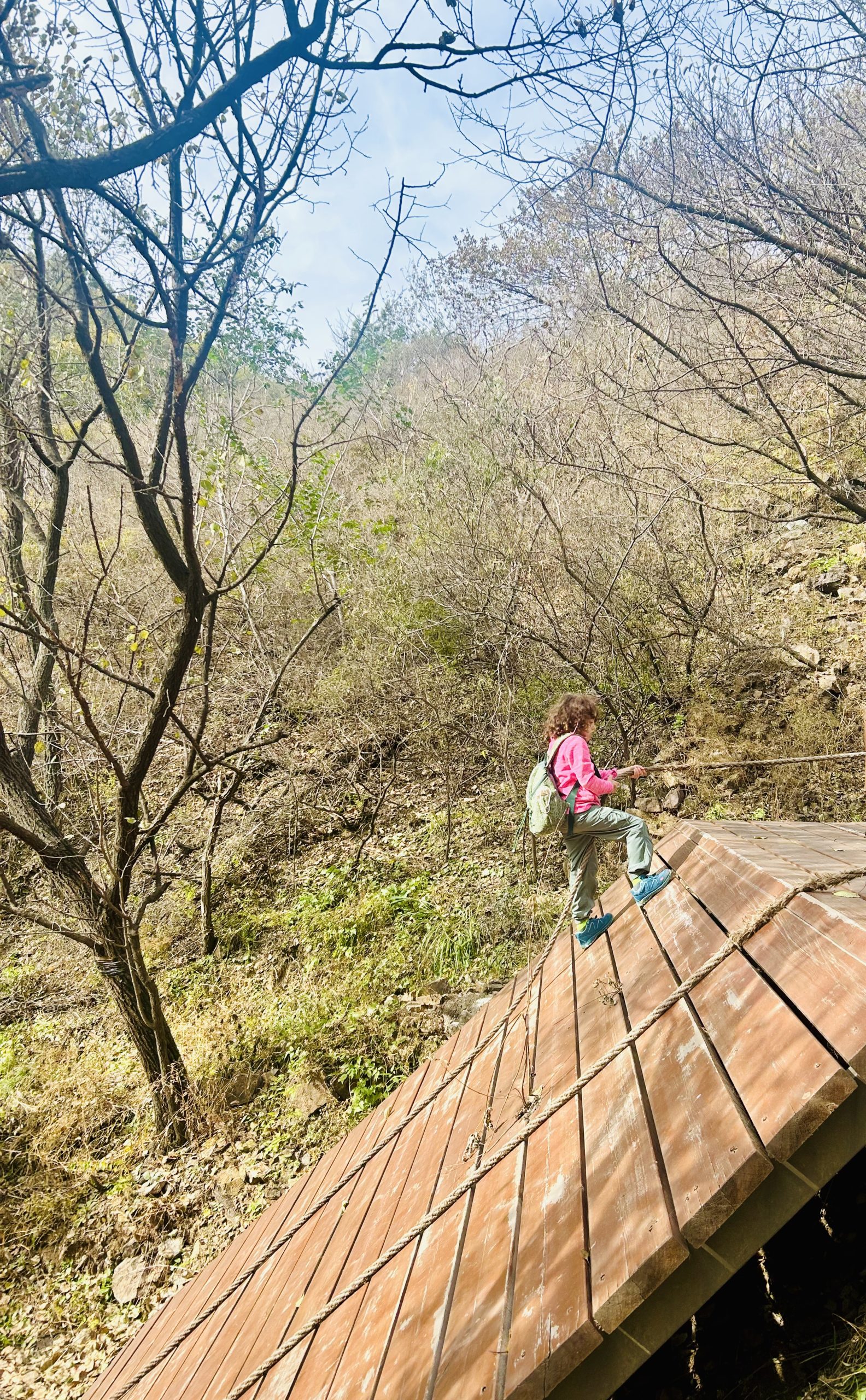
Favor Trails with Kid Appeal. Some trails are built with learning stations or play areas along the way. Others may feature waterfalls and stream crossings, or cultural draws like temples and ruins. Trails along larger lakes and rivers invite a dip in the water in summer, even a rest area for a scenic picnic goes a long way in appealing to young hikers.

 Get the kids involved in the preparation process.
Involve Kids in Planning. Look up the route on an online map together, let them pack the backpack, and choose snacks. This involvement increases their enthusiasm.
Gear Up Appropriately. Invest in a lightweight backpack, sturdy footwear, weather-appropriate clothing, and a first-aid kit. Local brands
Long is Better Than Short. Many go hiking in shorts and tanks during summer, but Steven recommends light, breathable long-sleeve shirts and long pants to guard against the sun and scratches. Use a variety of outer layers, such as rain jackets, windbreakers, or fleece jackets, depending on the season. Protective headwear is also essential, even in cooler months, to protect the face and eyes.
Pack Light and Smart. Plenty of water, snacks, head coverings, sunglasses, sunscreen, bug spray (summer), a first-aid kit (or at least plasters), a spare pair of socks if there are water crossings, and for good measure, more snacks.
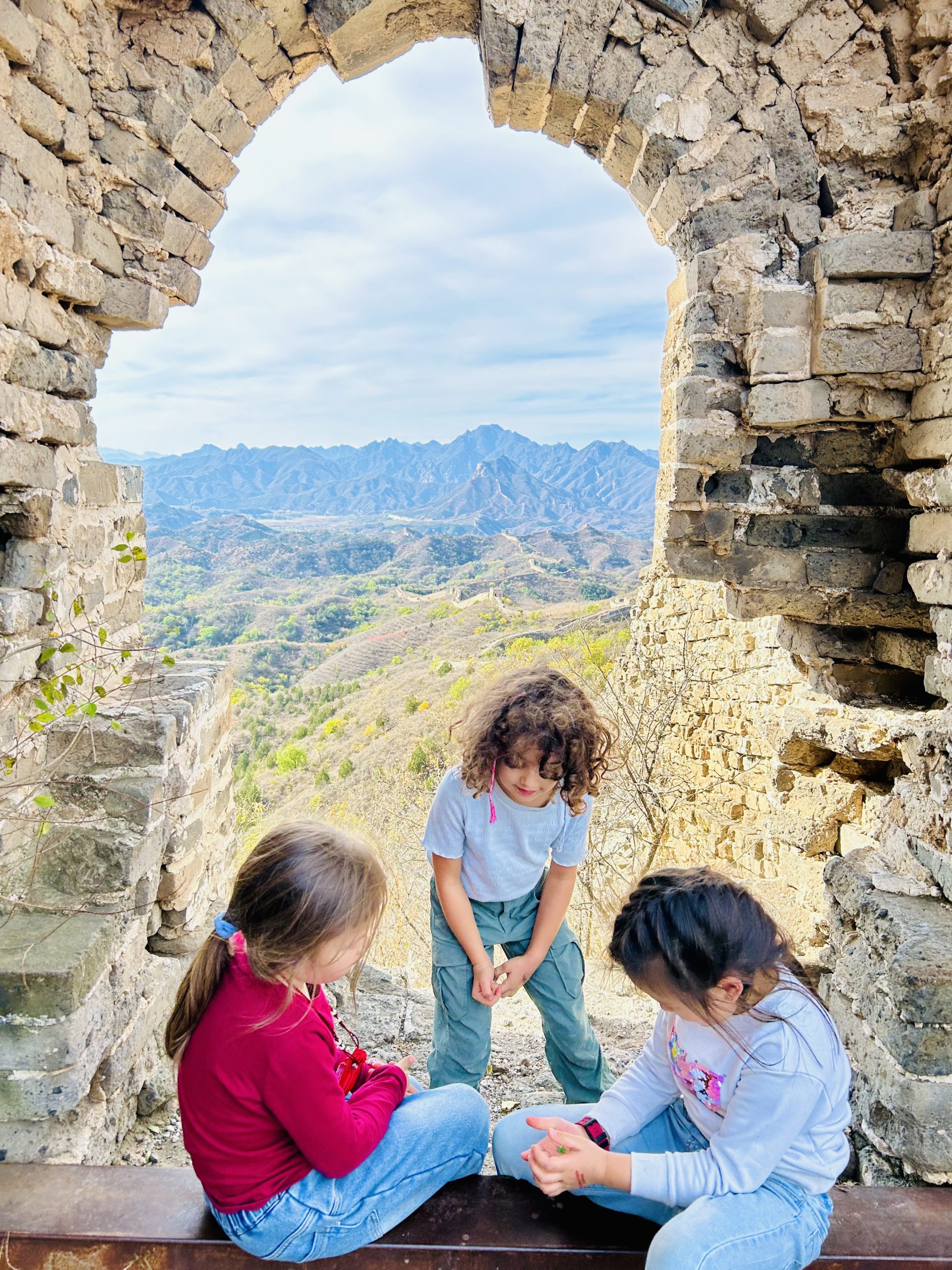 What about when you’re on the trail?
Mindset is Everything. A successful hike has as much to do with the right gear as it does the right attitude. Patience, humor, and curiosity. Gently remind kids (and yourself) to take a breath when frustration hits.
Safety First. Teach basic safety rules—staying on the path, recognizing trail markers, and what to do if separated.
Respect Nature. Instill a leave-no-trace ethic and model care for the environment.
Give Kids a Role: Whether it’s trail navigator, photographer, or sunscreen monitor, small responsibilities increase engagement and confidence.
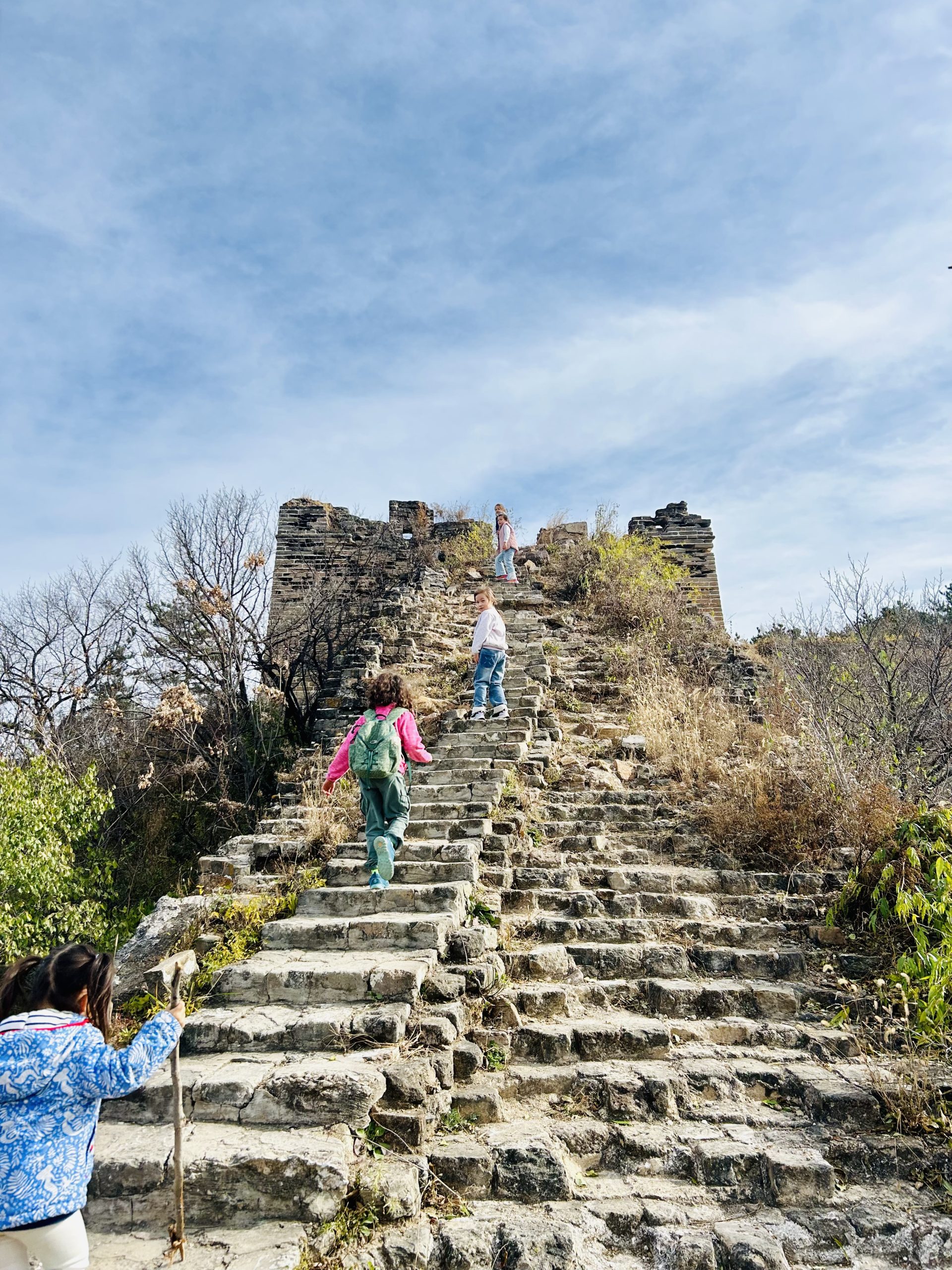 Relaxed Pace. Frequent snack and view breaks are a must, especially for under-10s. It’s a cliché, but so true: The journey is the destination.
Spot Birds, Bugs, Plants: Play a scavenger hunt to see who will find the first lizard, centipede, or (whatever bird is local to the area – look it up!). Curious by nature and closer to the ground, kids often notice what adults miss. The excellent Seek by iNaturalist app IDs trees, flowers, and insects – it’s free and works offline.
Make It a Story. Weave in local legends, myths, or made-up tales about the landscape. It’s a great way to fuel imaginations and hold attention.
Practice Mindfulness. Teach children to observe, listen, and connect with their surroundings. Slow down and simply BE.
Expect the Unexpected. Be ready to adjust. Pack rain gear and keep an open mind if plans need to shift.
High-five the wins! Victory dance at the summit, finishing a loop, and even mark smaller wins along the way. Positive reinforcement builds motivation and resilience.
End on a High Note. Develop a ritual for rewarding your conclusion of the hike. For example, Steven likes to end hikes with a local village meal.
Reflect Together. On the ride home, talk about what everyone enjoyed or learned. Post-hike chats help reinforce positive experiences.
Share with Jingkids! Tongue in cheek… but seriously, we’d love to learn from your adventures to inspire us and fellow readers…
And that’s your trail toolkit! Ready to put it to use? Coming up next, Steven takes us on three spring hikes where ancient pagodas, forgotten temples, and imperial gardens await. Let the adventure begin.
For more information on classifying hiking levels and group hiking tours, contact Steven at: Images: Tara Fegelein