

Parenthood is a journey filled with unique challenges, and when raising a child with ADHD, those challenges can feel even more complex. Every child with ADHD is different, requiring tailored strategies to help them thrive. Educators, too, act as dedicated guides, working to unlock each student’s potential through patience, creativity, and expertise.
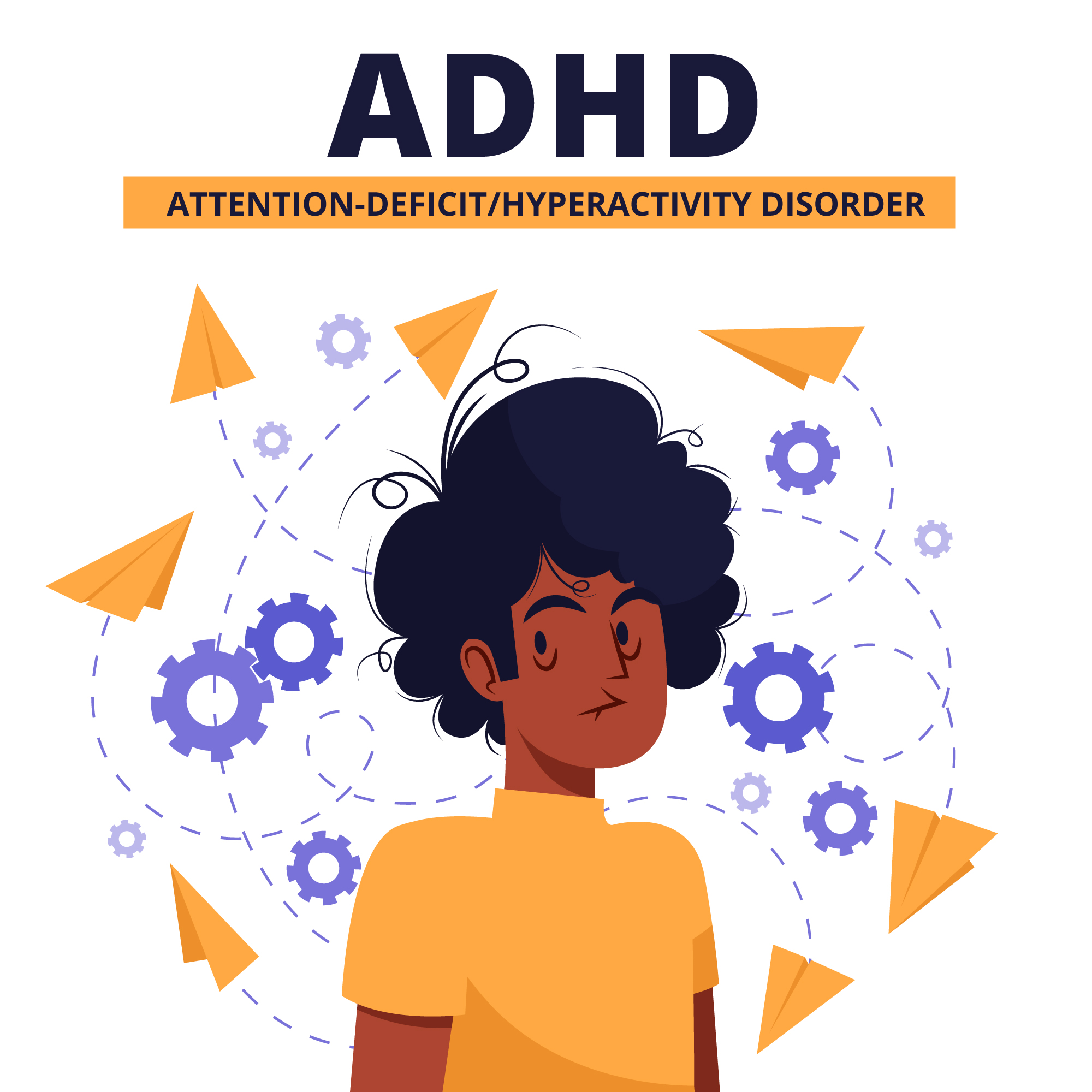 Today, we explore the insights of professionals who specialize in special needs education. One of our readers shared a pressing question, and we turned to Dr. Gerald Anthony, Chairman of SENIA Beijing and a seasoned special needs educator, for his expert perspective.

Dear Dr. Anthony,
I have a friend whose young son has ADHD. I know that kids with ADHD are more active, but I don’t have much experience with kids like this. He’s a great, smart kid, but he tends to act aggressively towards my child at times.
Let me give you an example: A week ago, they were playing and getting along, but suddenly he tried to push my child into doing something dangerous and that he was not ready for. I broke it up. Nothing happened. His mom is a friend, so we had a chat about it after. She explained that because he has ADHD, in his mind, he was fixated on showing his friend something he thought was cool, and it’s difficult for him to take into account his friend’s feelings while his mind is fixated on a task.
So for me, this isn’t an easy situation where I can prevent them from hanging out, nor do I want to. At the end of the day, they’re friends. Do you have any tips on how I can prepare my child for when they do spend time together and how his parents can help prepare him for future playdates?
Sincerely,
Let’s All Get Along
Dear Let’s All Get Along,
First of all, thank you for writing with such honesty and empathy. You’re clearly trying to balance protecting your child with honoring your friendship and understanding the nuances of a child with ADHD. That’s no small feat!
Here are some suggestions that should be helpful to both families in this situation.
ADHD Is Not a Character Flaw.
Kids with ADHD often operate with Ferrari brains and bicycle brakes. They’re impulsive, enthusiastic, deeply creative – and yes, sometimes struggle with self-regulation. What looks like “aggression” might not be intended as such. It could be excitement, poor impulse control, or a mismatch between thought and action. This doesn’t make it okay, but it does help us approach it with curiosity instead of just correction.
Pre-Play Date Is Everything.
Before the next playdate, consider doing a bit of a “huddle” with your child. Use clear, simple language to prep him. For example:
- “Sometimes your friend gets really excited and might not notice if you’re not ready for something.”
- “It’s okay to say, ‘Stop,’ or ‘That makes me uncomfortable.’”
- Role-play these moments. This gives your child both language and confidence.
 Also, give your child permission to take a break during the playdate. Even something like “If it gets too wild, just come tell me or grab your book.”
Structure Is Your Superpower.
Spontaneous, unstructured play is where things can go sideways fast. Instead, try:
- Shorter playdates at first (think 45 minutes instead of 2 hours).
- Activities with clear goals – building LEGO sets, puzzles and scavenger hunts.
- Avoid highly competitive or chaotic games (like dodgeball).
 Structure helps ADHD brains thrive. It also helps prevent impulsivity from hijacking the fun.
Team Up With His Parents (Not Against Them).
From what you described, his mom sounds open and communicative. This is a very strong win for both sides! You can gently collaborate. Maybe you ask:
- “Do you think we could talk to both kids together before the playdate about safe choices?”
- “Are there things that tend to trigger his impulsivity that I should be aware of?”
 If he’s in therapy or working with a counselor, his parents might already have strategies they’d be happy to share.
Affirm the Good Moments.
When something goes right, point it out like a disco spotlight:
- “Wow, that was really thoughtful of you to let her go first!”
- “Thanks for being patient when she said no!”
Kids with ADHD often hear what they’re doing wrong. Catching them doing right is transformative magic.
Final Thought
Friendships between kids with differences can be messy, beautiful, and rich with growth. Your approach – curious, kind, and proactive – sets the tone for something wonderful to emerge. You’re teaching both kids that differences aren’t a dealbreaker. They’re an invitation to learn.
Regards,
Dr. Gerald Anthony
On Behalf of the SENIA Beijing Board
Dr. Gerald Anthony serves as the chairman of SENIA Beijing and the director of awards and scholarships for SENIA International, where he is deeply committed to advancing inclusive education across international communities. In his roles, Gerald champions SENIA International’s vision: “To live in an inclusive world where every individual is supported, resources are accessible, potential is maximized, and strengths are celebrated.” He upholds SENIA’s core values of collaboration, advocacy, and empowerment, working to ensure that individuals with learning differences are recognized and included within all educational and societal settings.As Chair of SENIA Beijing, Gerald leads a dedicated board including Suzanne Robare, Kelsie Fitzgerald, Juliane Karlsson, Janice Bareng-Pineda, Stephenie Lee, James Rupasinha, Ruth Ren, and Meera Raghu – educators and specialists who collectively promote awareness, provide professional development, and build networks for inclusive practices throughout Beijing.

If you have a specific question you’d like us to find an expert to address, send a private message or email to minayan@beijing-kids.com. #DearReader
Images: Dr. Gerald Anthony