
As my final exams conclude, I honestly feel that my skills have improved a lot in terms of the way I learn. Before, I used to simply read over my notes and try to remember what was on that page by memorization, but that usually resulted in me being unsure about the content, and that would make me nervous about what I was writing in the exam. However, after this semester’s exams, I can safely say that I have concluded some of the most effective study tips that will turn your child into a top student.

Writing From Memory
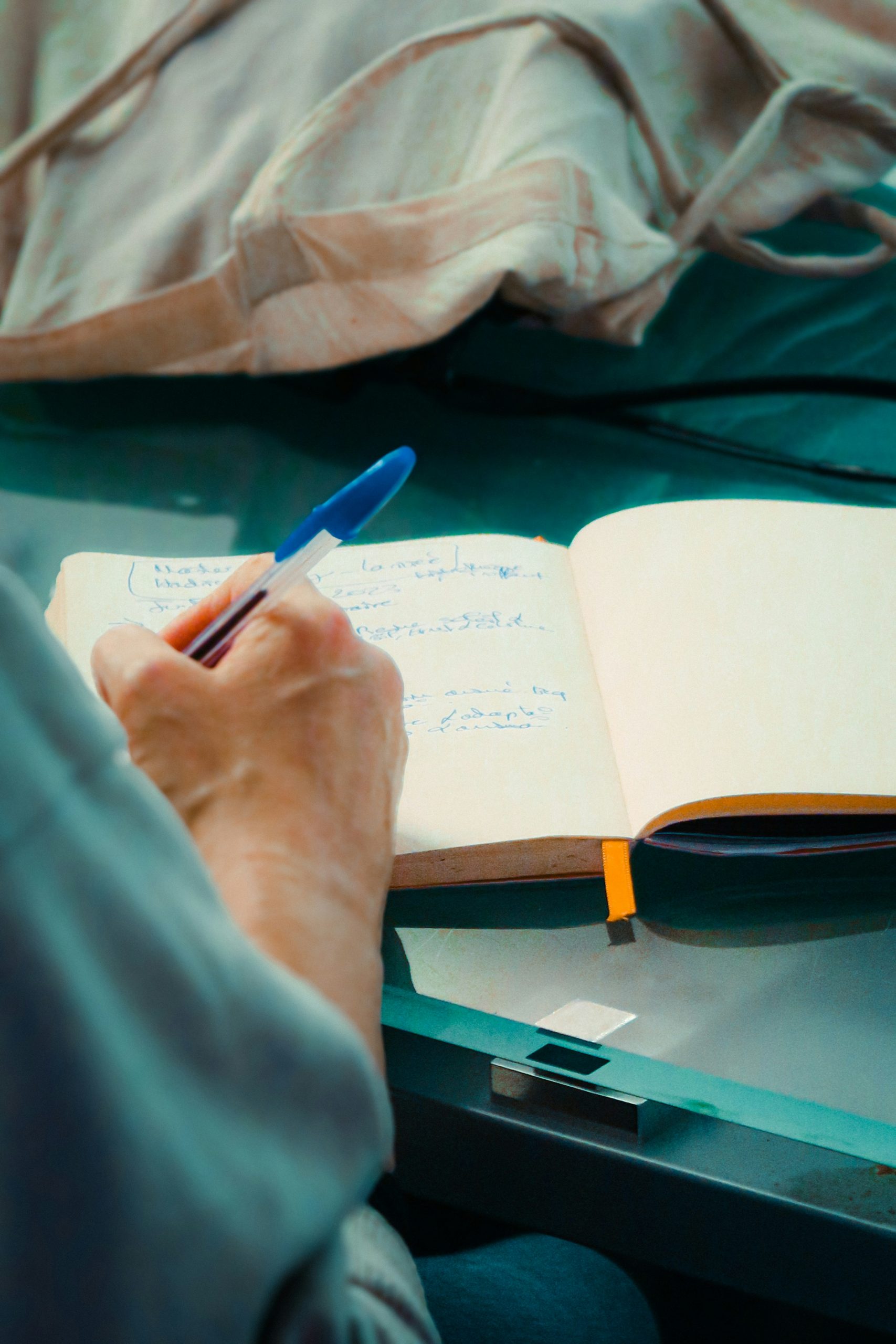
This first method is essentially listing down all the things you know about the topic. You will first, of course, need to know what topics are being tested in the exam, then use that list of topics to write down everything you have learned about those topics. For example, in chemistry, we learned about the reactivity series, so I wrote down the reactivity series, their element formulae, and why carbon and hydrogen are in the series, which is everything we have learned this semester on the reactivity series. If I have missed something, I don’t look back immediately when I am writing. I wait until I have finished listing all the content for all the topics of the exam, then I revise. I revise with the notes I have taken in class and additional information online or from other resources. If anything does not match or if anything confuses you, you should ask a teacher or anyone who has knowledge on the validity of information and the content for the exam. You should be doing this seven days before the exams and consecutively until the night before (or ideally, the day of the exam as well, if you have enough time). I took a picture of my notes for my teacher the night before the exam and asked her if my notes were comprehensive and accurate. And after she verified my list, she said that it was no problem, which reassured me that my exams would go well. You can use this method to test how well you know the content of the test, and know how much more you need to improve on.

Set Questions for Yourself
This was also what I did for my finals. I made questions for myself on the parts I was unsure about, and I did them the next morning to see if what I had learned the previous night was actually grasped by me. It could be any type of questions: directly asking questions and writing out the answer, fill in the blanks, or even multiple choice questions that include choices that you originally misunderstood. This method may take some time to put together, but when you are in the exam, you may encounter a question on the same knowledge point, and that is the moment you realize what the question is asking you to do and what it is testing. Once you get all the questions you have set correct, that is when you know you have fully understood all the parts you didn’t grasp at first. This was how I got a 91 out of 100 on my Chinese midterms when memorizing the facts about authors and poem lines. Even though a lot of what I tested myself on was not included in the test, this is a very efficient way of knowing what you still need to improve on for the exam, and it makes you ready for whatever is coming up.
Teach to Others
When I was revising for my physics exam, there was a student in the class who did not pay attention to the teacher for the entire semester and was incredibly worried about her grade and what she knew. Before teaching her, I was quite confident that I knew everything about what was being taught, and I thought that I was able to explain everything with ease. However, after she asked me a lot of questions on the subject and after teaching her the concepts, I soon realized that there were still a lot of small details that I was not sure about, and those details were actually big key points in the exam. Thus, teaching another person is never a waste of time, but rather a great way to let yourself know what you need to improve on and whether you have completely grasped the subject.
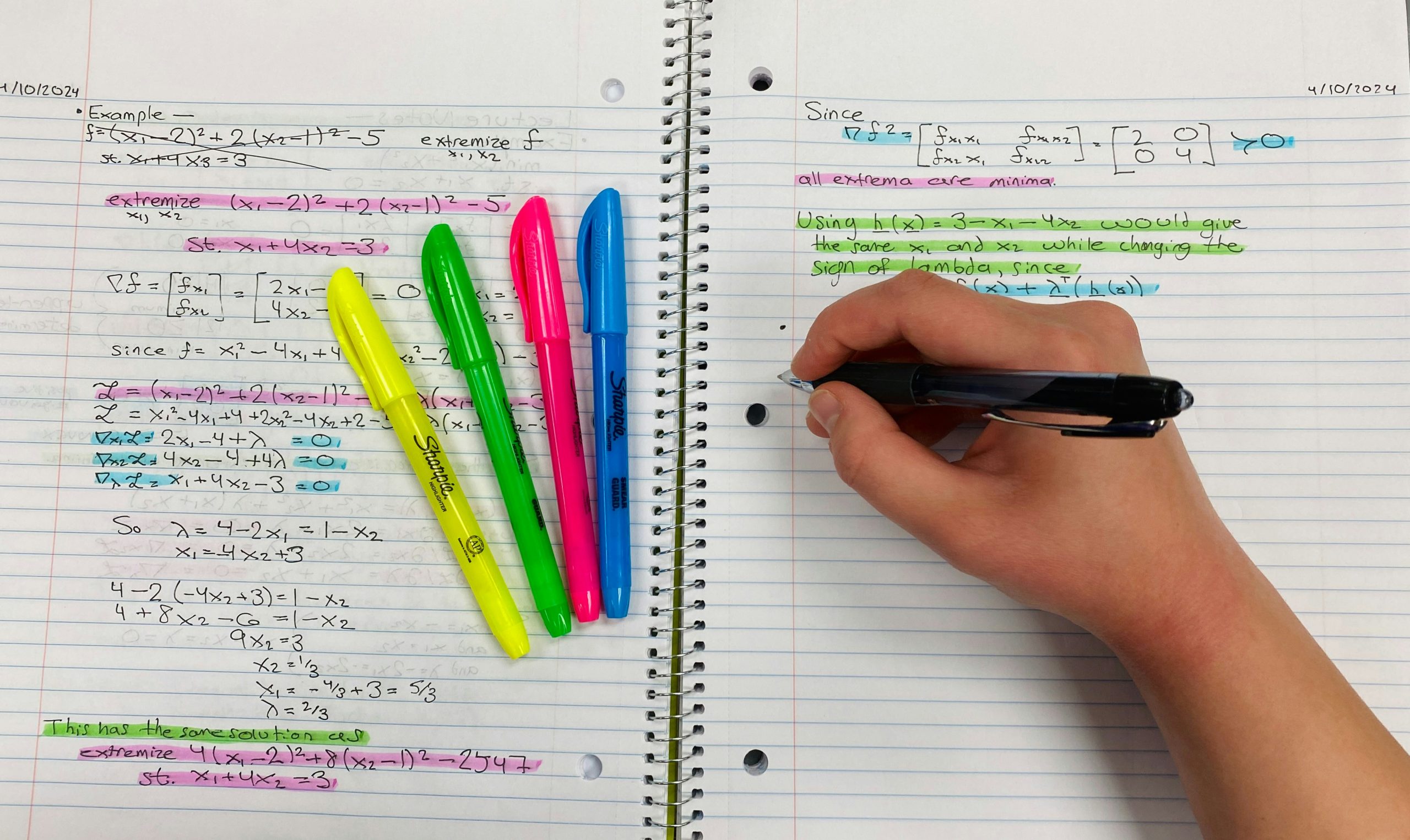 Those are the three biggest revision methods I used this semester, and they helped me improve a lot in the sciences as well as in Chinese, which are all subjects that require us to memorize a lot of information. The key point here is to not passively read and look over everything, but to actively test yourself and seek help when you need to. I hope these methods will help your child improve their skills during the summer and make them a confident student in the future.
Images: Pexels