
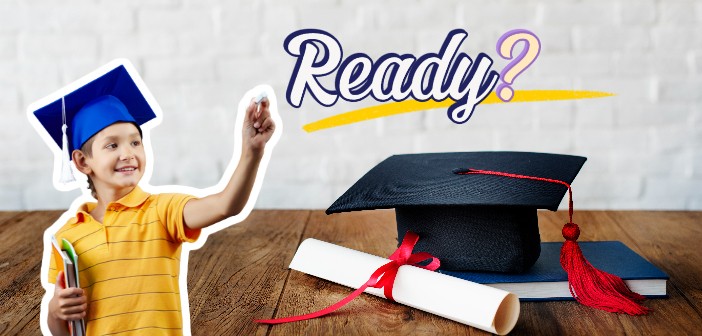
I recently attended a high school graduation for a few players I coach in flag football. It was one of those nostalgic, feel-good moments, watching students celebrate their achievement as they prepare to enter universities across the world.
As I sat there, I couldn’t help but reflect on my own transition from high school to college – and how completely unprepared I was. I submitted college applications late, had no real plan, and didn’t even know if I’d been accepted anywhere until after graduation. It got so bad that my mom and I had to drive to the college just to pick up my acceptance letter in person. That experience taught me one of the most important lessons of my life: Educational transition matters.
Right now, as the school year winds down, it’s the perfect time for parents to begin thinking about what’s next. Maybe your child is moving from kindergarten to first grade, from primary school to middle school, or from high school to college. Each of these transitions can bring both academic and social challenges. The question is: Are you prepared? Is your child?
Whether you’re enrolling in a new school or simply moving up a grade level, it’s important to understand what the school has in place to support students during times of change. Some children struggle with adjusting to unfamiliar routines or building new friendships. Others may feel overwhelmed by increased academic demands. That’s why it’s so important to ask the right questions and get clear answers.
Support systems make all the difference. Schools that take transition seriously often provide orientation programs, buddy systems, counseling support, and early communication about academic expectations. These tools can help your child feel secure, welcomed, and confident in their new environment.
As a parent, you can also take steps to ease the transition. Attend orientation events, encourage your child to visit the campus ahead of time, and, if possible, connect them with future classmates. The more familiar they are with the school environment before day one, the better they’ll adapt socially and academically.
To bring this closer to home, here’s something I often ask parents during conferences: “What does your child know about where they’re going next?” In my experience, the students who feel the most comfortable on day one are the ones who’ve already seen the halls, met the teachers, and pictured themselves there.
Here are five key questions to support your child’s educational transition:
- What transition programs or orientation events does the school offer to help new students adjust?
- How does the school support students socially and emotionally during times of transition?
- Are there opportunities for my child to visit the school and meet teachers or future classmates before the school year begins?
- What academic expectations or changes should I prepare my child for at the next level?
- How does the school communicate with parents during the transition process, and who can I contact for support?
Educational transitions don’t have to be overwhelming – for you or your child. With the right preparation and support, these moments can become exciting opportunities for growth.
More practical guidance like this can be found in my book, Choosing the Best International School for Your Child.
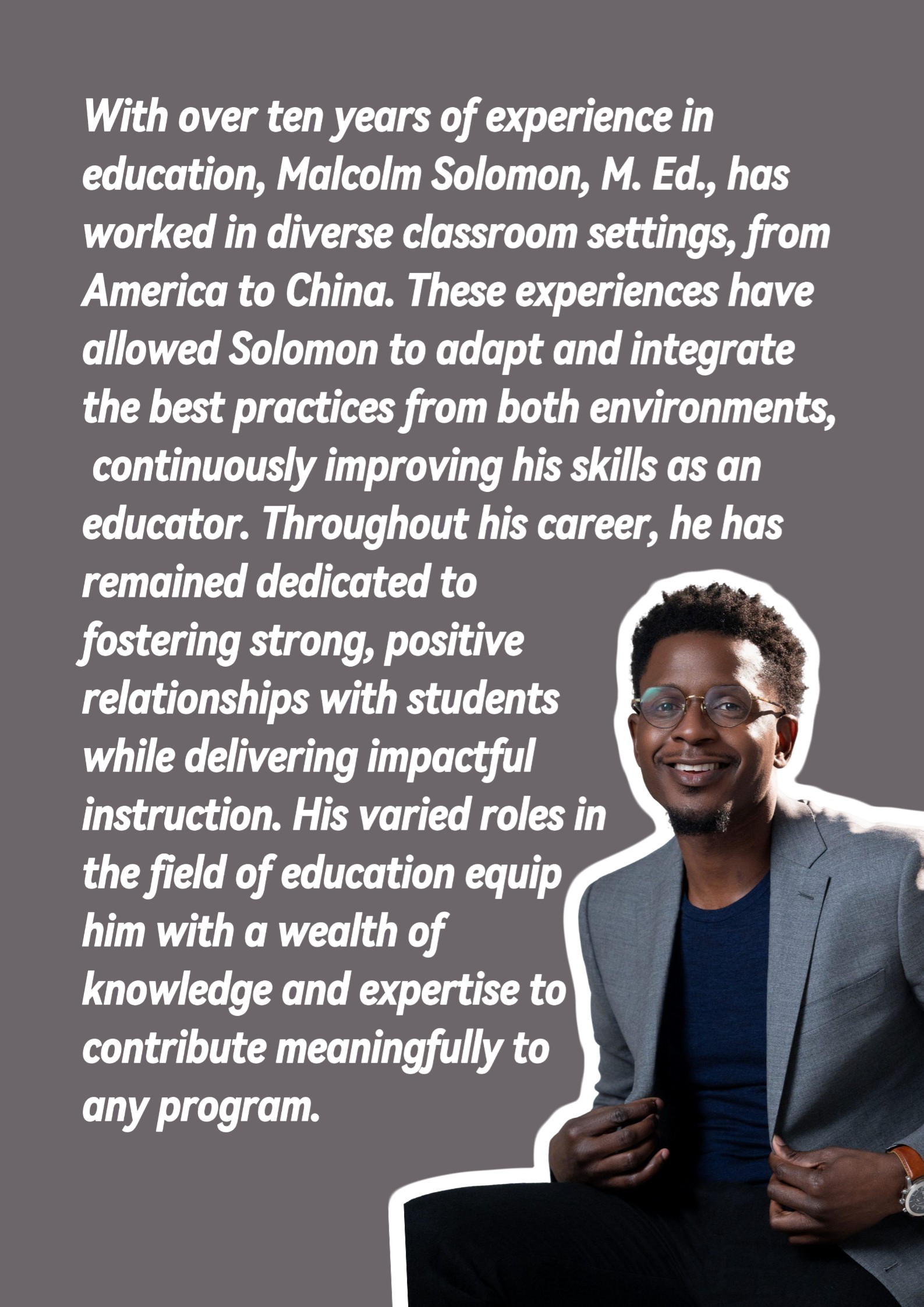 Check out Malcolm Solomon’s book Choosing the Best International School for Your Child, where he dives into the world of international education in China and how to find the school that’s the perfect fit for your child.
Images: Malcolm Solomon, Freepik