
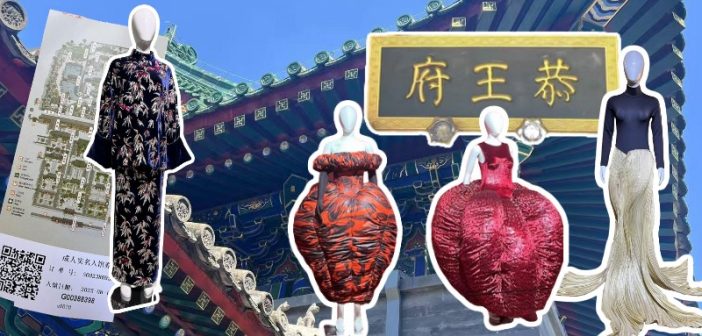
Beijing is full of historical sites, from the Forbidden City to the famous Great Wall of China, and citizens and residents of Beijing are extremely lucky. My mother and I returned from a trip to Vietnam. After a long summer, we needed a little help adjusting back to life in Beijing. So, we got ready for another adventure, and this time we were off to the famous Prince Kung’s Palace Museum, 恭王府.
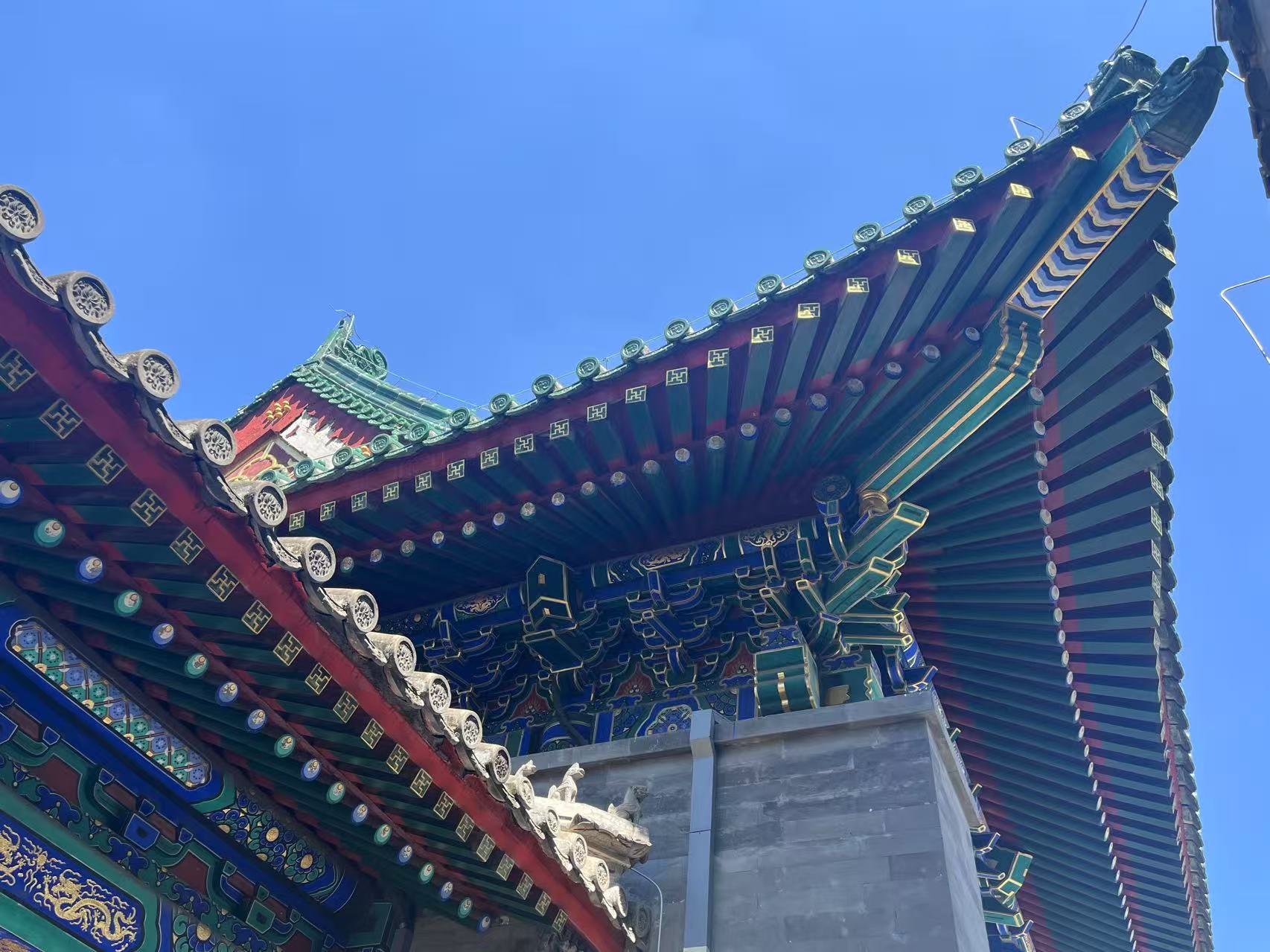 The Prince Kung’s Palace Museum was originally constructed during Emperor Qianlong’s reign for Gurun Princess Hexiao and the courtier Henshen, but it was later the residence of Prince Kung and is the only princely palace in Beijing that is preserved and open to the public.
The palace is in Xicheng District and is within walking distance from the Drum and Bell towers as well as great restaurants and the area’s infamously crowded Nanluogu Xiang. It is located just north of Sichahai, where you can find many shops along the lakes. Many locals still live in this area, so during our walk through the neighborhood, we came upon many siheyuan, traditional courtyard homes built during the Yuan and Qing dynasties.
The architecture of Prince Kung’s palace is classical Chinese Qing dynasty and uses an interlocking system. In case you do not know, the interlocking system is a clever way that the ancient Chinese used to build structures. This system does not require a single nail or any glue. The building also houses an exquisite garden. Inside the garden, there is a winding stone path that goes up along many slopes, and there is also a little folklore inside the garden.
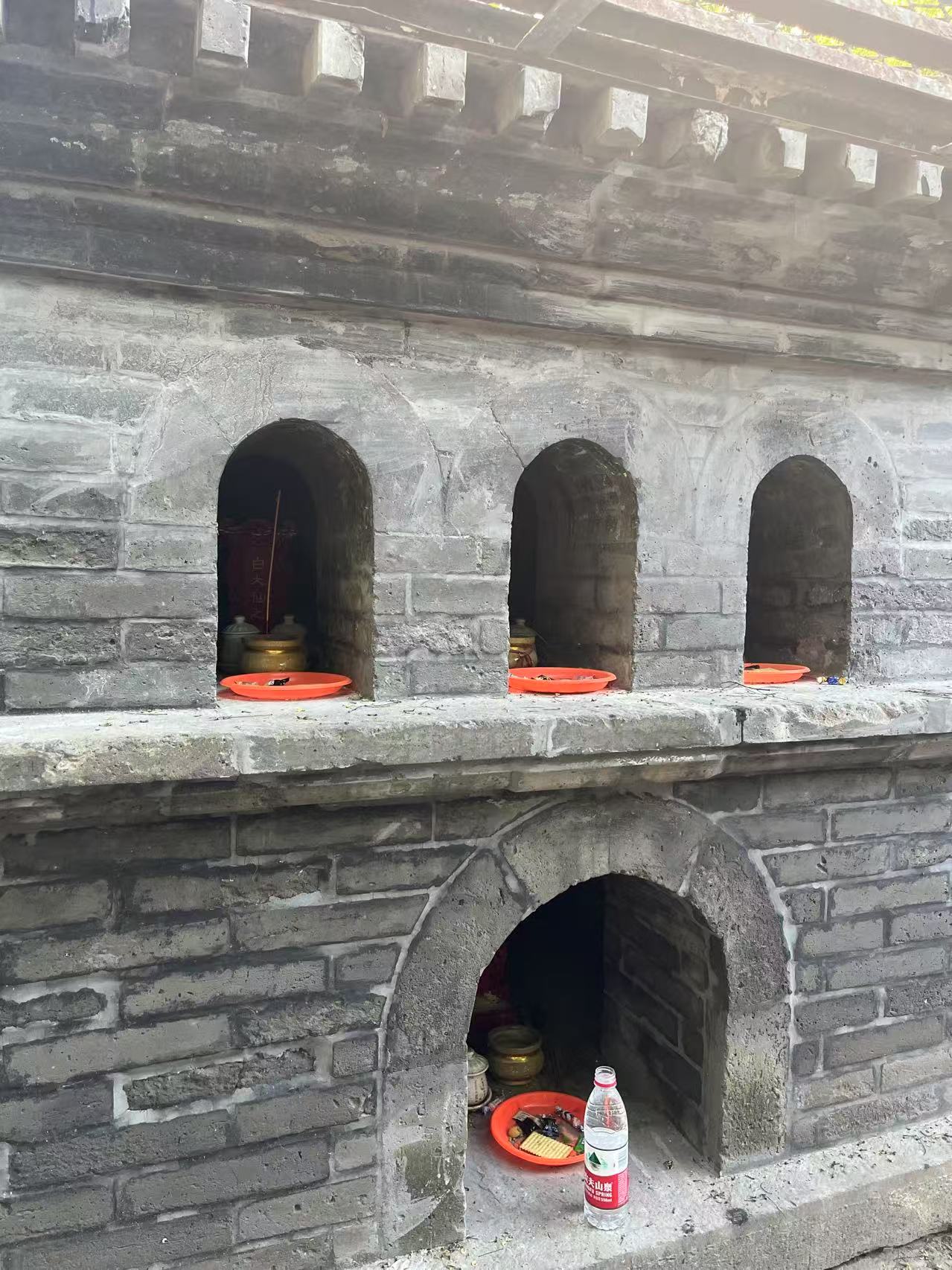 During our walk through the garden, we came upon a small three-arched shrine. It is said that in old times, when the residents of the mansion began seeing snakes, hedgehogs, foxes and yellow weasels appearing inside the mansion, they dared not insult these animals, so they built the small temple for the animals to bring luck and good health to the people who lived inside the mansion. And what is interesting is that whenever someone fell ill within the mansion, the animals came and the sick person would recover quickly, as long as incense was burned at this shrine.
The mansion is open year-round, and you can visit at any time you like.
However, there is an extra reason to visit Prince Kung’s Palace Museum right now.
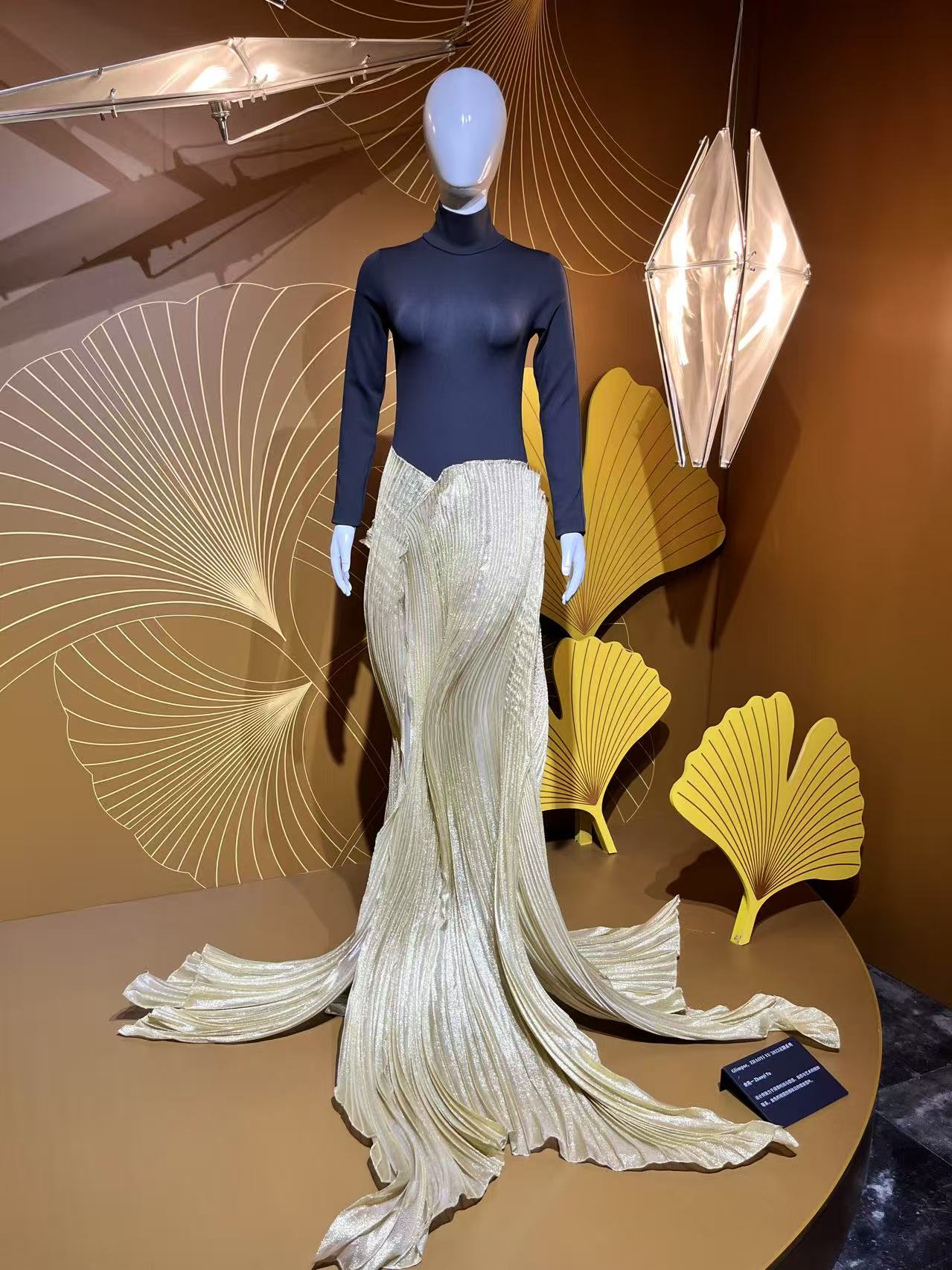
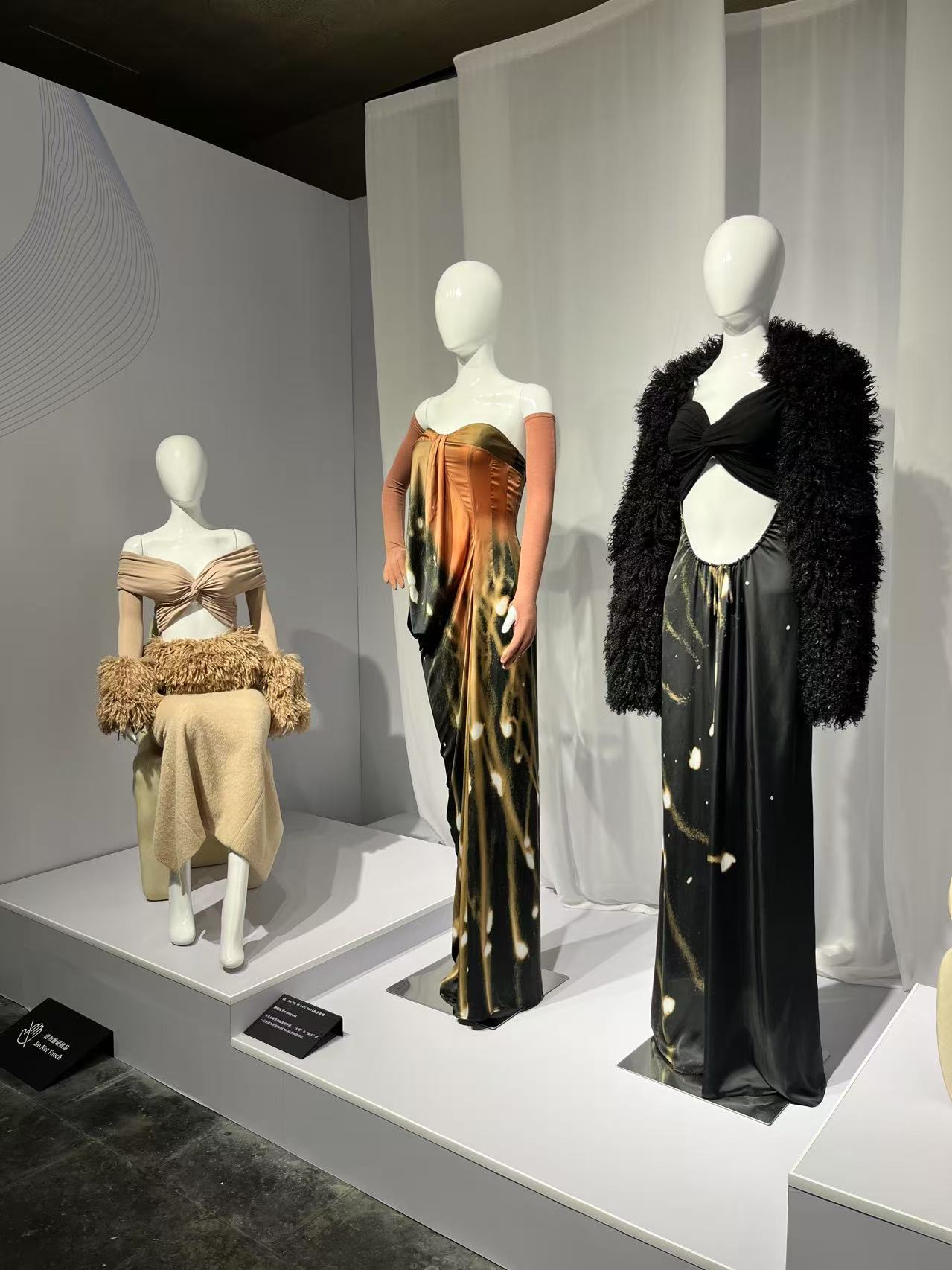
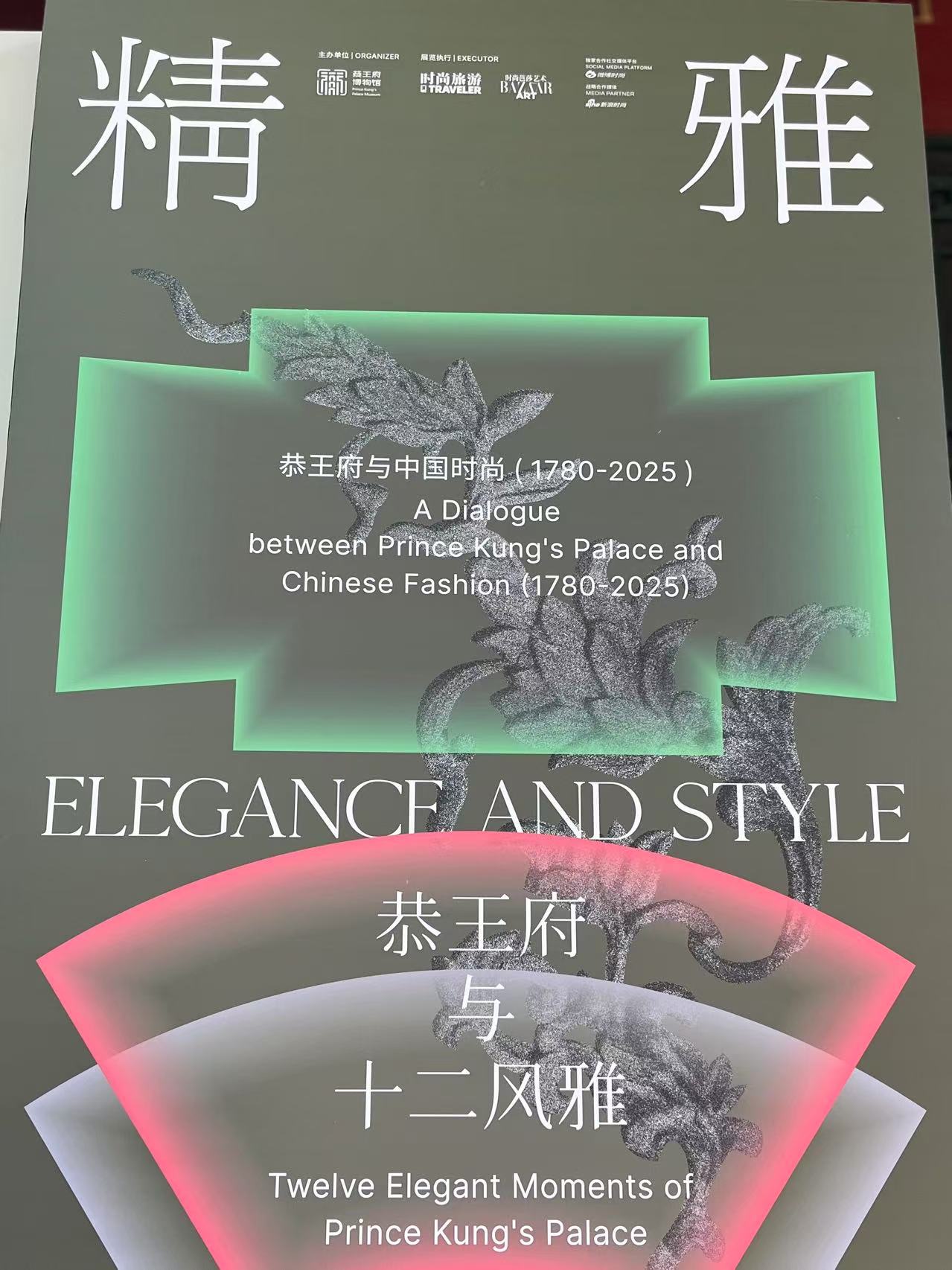 Jia Le Hall 嘉乐堂 is housing is a temporary Chinese fashion exhibition. It depicts 12 symbolic scenes of Prince Kung’s Palace based on the four seasons: spring, summer, autumn and winter. The Autumn Hall contains six outfits, and I found these the most interesting of the four. One look that I liked had a skirt of shiny golden hue. It was shaped like a golden gingko leaf. I was fascinated with this skirt because, to me, it seemed very floral. The gingko skirt looked like it was ripped right off a tree branch and then coated with hot gold. The combination of the metallic golden shade and the silhouette of the gingko skirt made the skirt look very elegant.
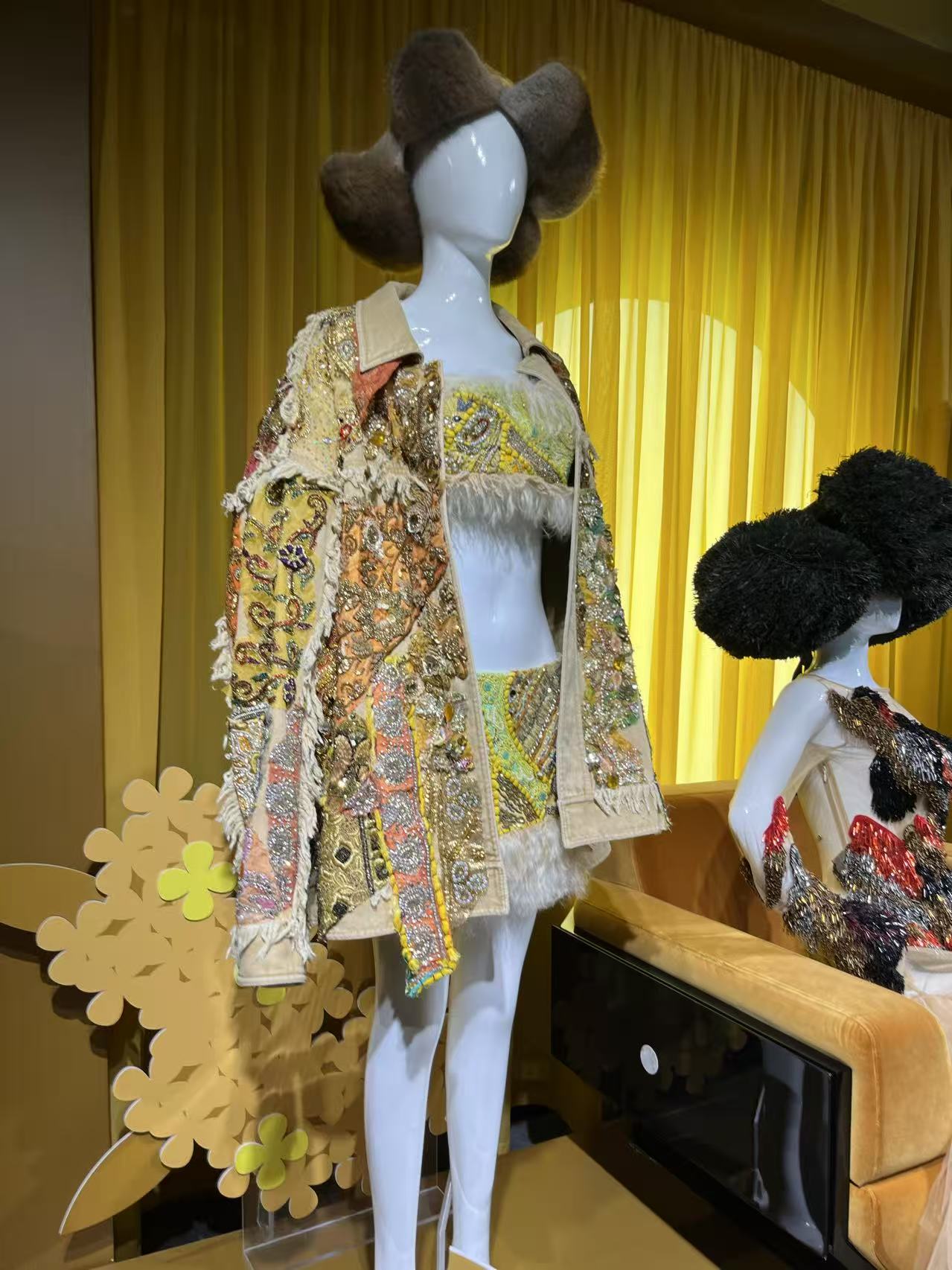
 The most avant-garde looks were in the Summer Hall. There were two poofy red dresses. One was black and red and looked like a ladybug. The other dress was like an inflated apple and had beads attached to the skirt. This dress seemed like something Rita Ora, from the movie Rise of Red, would wear to the Met Gala.
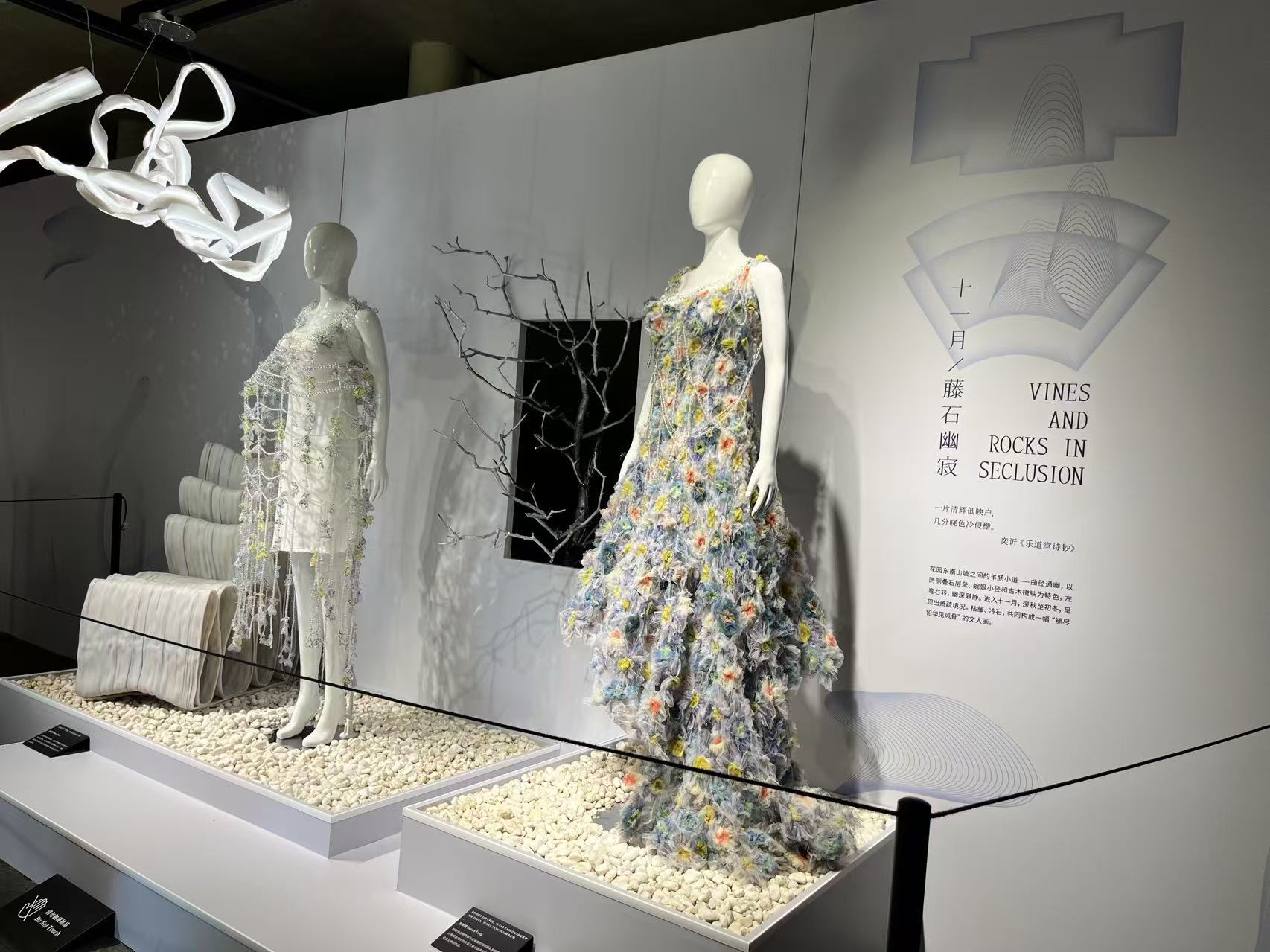 The most ready-to-wear outfits were housed in the Spring Hall. It was white and had a see-through cloak draped over the shoulders. The dress next to it was a shade of cherry blossom pink; it looked like a traditional Chinese qipao.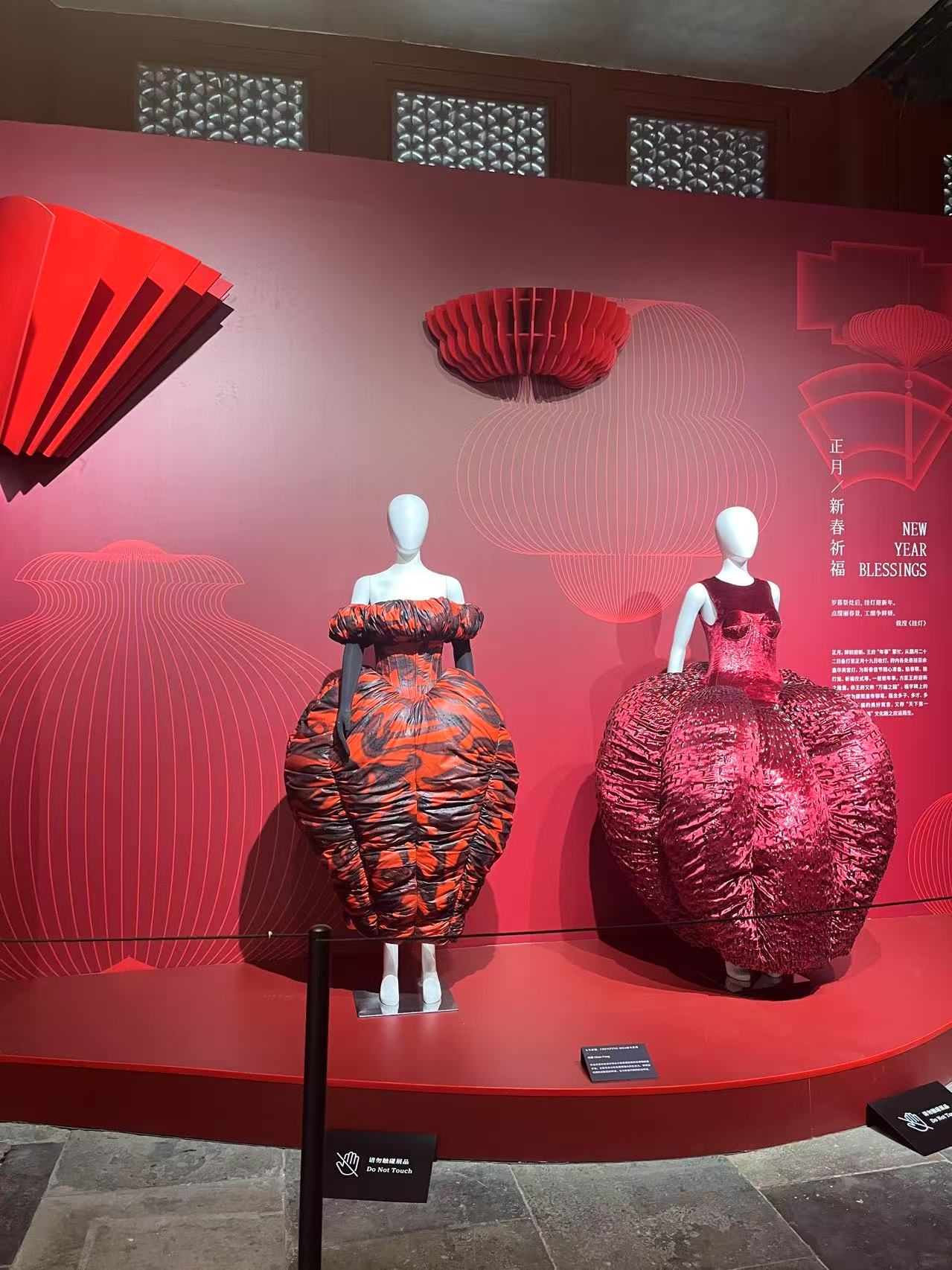
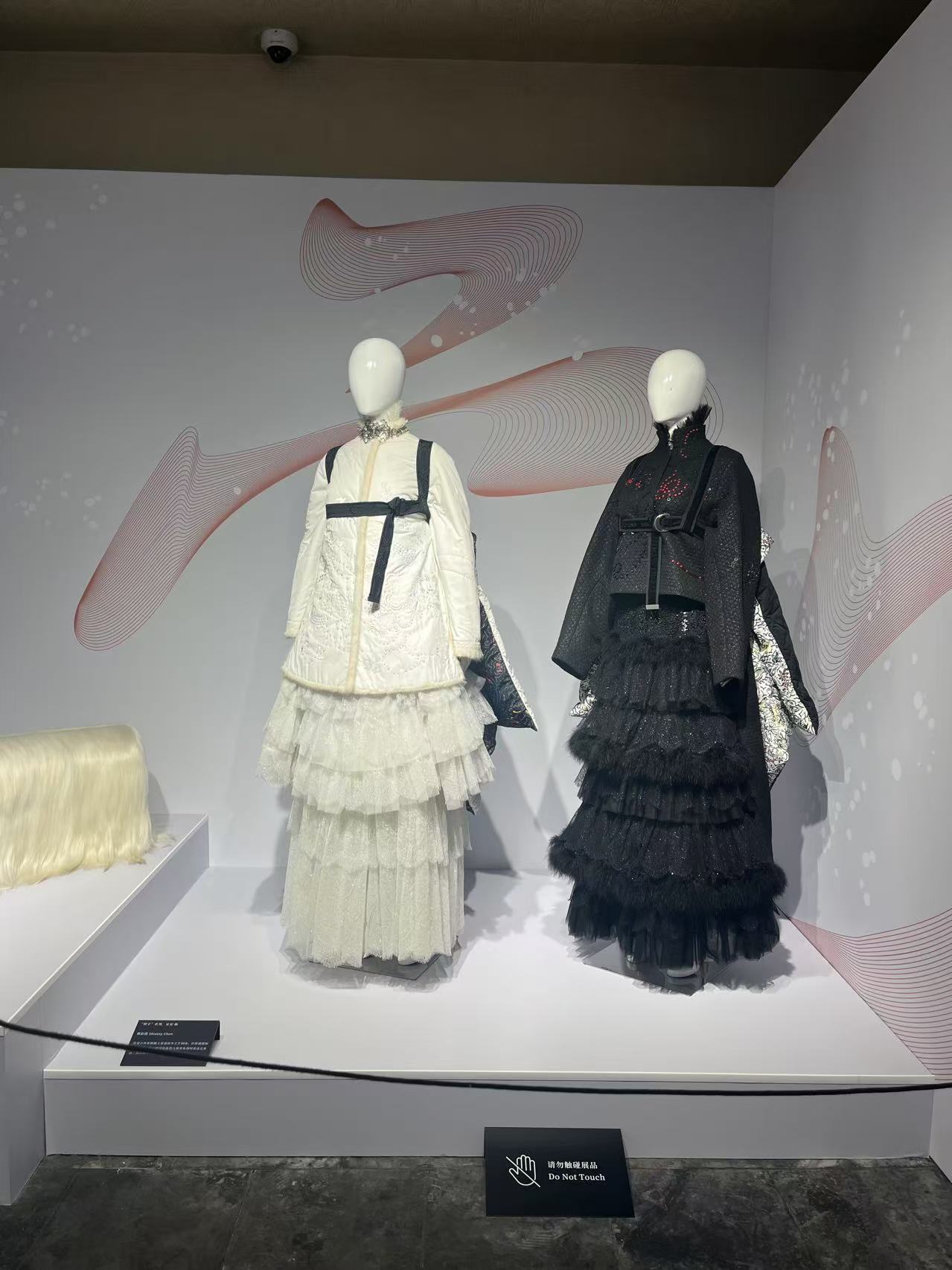
The Winter Hall did not have many likable outfits, but two of them were very memorable. One was black, and the other was cream. They both had tulle-layered skirts. They also both had a traditional-looking quilted jacket. But to others, it may look like classical clothing from the Qing dynasty.
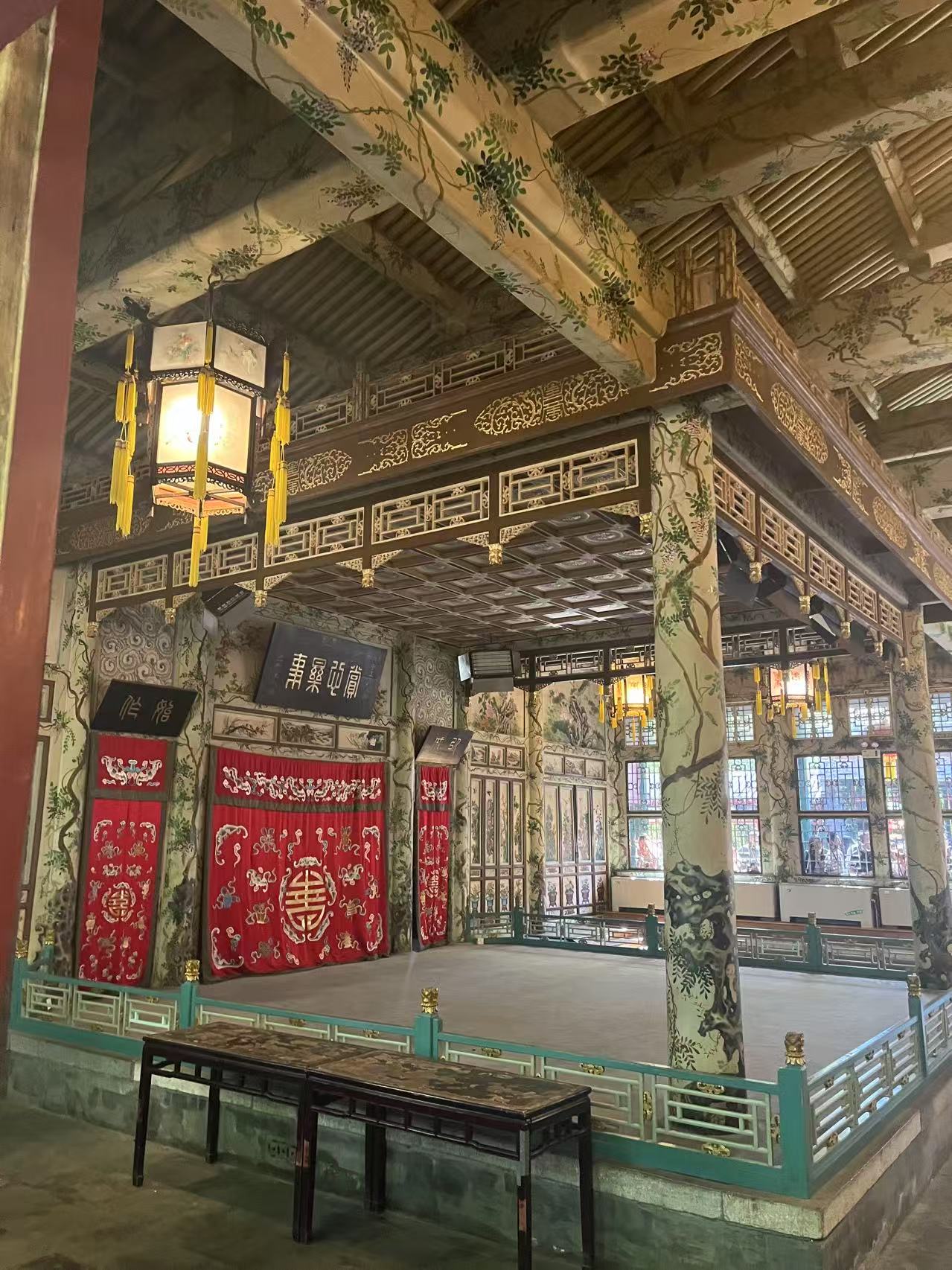
Fashion lovers are recommended to visit this exhibit before it closes. It involves contemporary outfits and interesting aesthetics. But please remember that the Prince Kung’s Palace Museum is not only about the fashion but has many other attractions. I found the garden to be very enjoyable, along with the Grand Theatre.
 Pro Tips:
- If you are interested in visiting Jia Le Hall for the fashion exhibition, note that it closes on Oct 19.
- If you don’t buy a ticket ahead of time, you can still purchase one in person. Bring your foreign passport and use the foreign line. Tickets are RMB 40 per adult and RMB 20 per child. Note: The Museum is closed on Monday
- There are no English-speaking guides, but there are English audio guides, although I do not recommend renting them, because the audio guide did not line up with the location. Audio guides are available for RMB 30.
So, there you have it: another adventure from Clark Yap. Stay tuned. And stay reading!
Find it:
Prince Kung’s Palace Museum, 恭王府
17 Qianhai West Street, Xicheng District
西城区前海西街17号
Images: Clark Yap