I’ve spent the last four years of my teaching career in China, and the experience has been nothing short of exceptional. One event I’ve come to expect each year—no matter the school or city—is the parent-teacher conference (PTC). It’s a global constant for educators. PTCs come around at least twice a year and are always full of surprises—it’s like a surprise two-episode season of your favorite drama series, just with more data and fewer plot twists.
At nearly every PTC I’ve attended in China, one concern rises to the surface again and again: parents are worried about their child’s English language development. Some are especially determined for their child to speak English like a native speaker or read at or above grade level. I understand and respect those expectations. However, one question I always find myself asking is: What does the child’s English environment look like outside of school?
See, native English speakers are immersed in the language daily—at home, in school, on social media, in stores, on signs, through casual conversations. The language surrounds them, constantly feeding their development without deliberate effort. In contrast, many students here in China only encounter English for about 90 minutes during their school day. Once they go home, the exposure often stops completely.
If we want students to develop like native speakers, we have to be honest about one thing: language growth comes from consistent input and output. If your child spends 22.5 out of 24 hours a day hearing and speaking Chinese, guess which language they’ll naturally improve in? (No, not Spanish—just kidding—it’s going to be Chinese, of course.)
 So, what can parents do? The goal is to create an English environment at home—one that simulates the kind of daily exposure native speakers enjoy. Here are some suggestions to help you get started:
- Watch English-language cartoons or shows that are age-appropriate. This strengthens listening and familiarizes children with natural expressions.
- Give simple instructions in English, such as “Please close the door,” or “Turn off the light.” This introduces routine phrases.
- Create a sight word wall at home with commonly used words that your child will see and use daily.
- Read books together and discuss them. Ask questions about the story to build comprehension and vocabulary.
- Set a daily “English Hour” in which only English can be spoken at home. Be ready, though—kids will get clever and try to stay quiet to avoid speaking. When that happens, ask them silly questions or play interactive games that require a response, like charades or “Would You Rather” questions in English.
- Start a small English book club with their peers. Reading and talking with friends make learning more engaging and social.
- Find a language buddy—and if you don’t speak English yourself, you can always call Mr. Solomon, your favorite teacher’s favorite teacher.
Creating a home environment that supports English doesn’t mean replacing your native language—it means giving your child the tools to thrive in both. With a little intentionality and a lot of encouragement, your home can become one of the most powerful classrooms your child ever steps into.
 Check out Malcolm Solomon’s book Choosing the Best International School for Your Child, where he dives into the world of international education in China and how to find the school that’s the perfect fit for your child.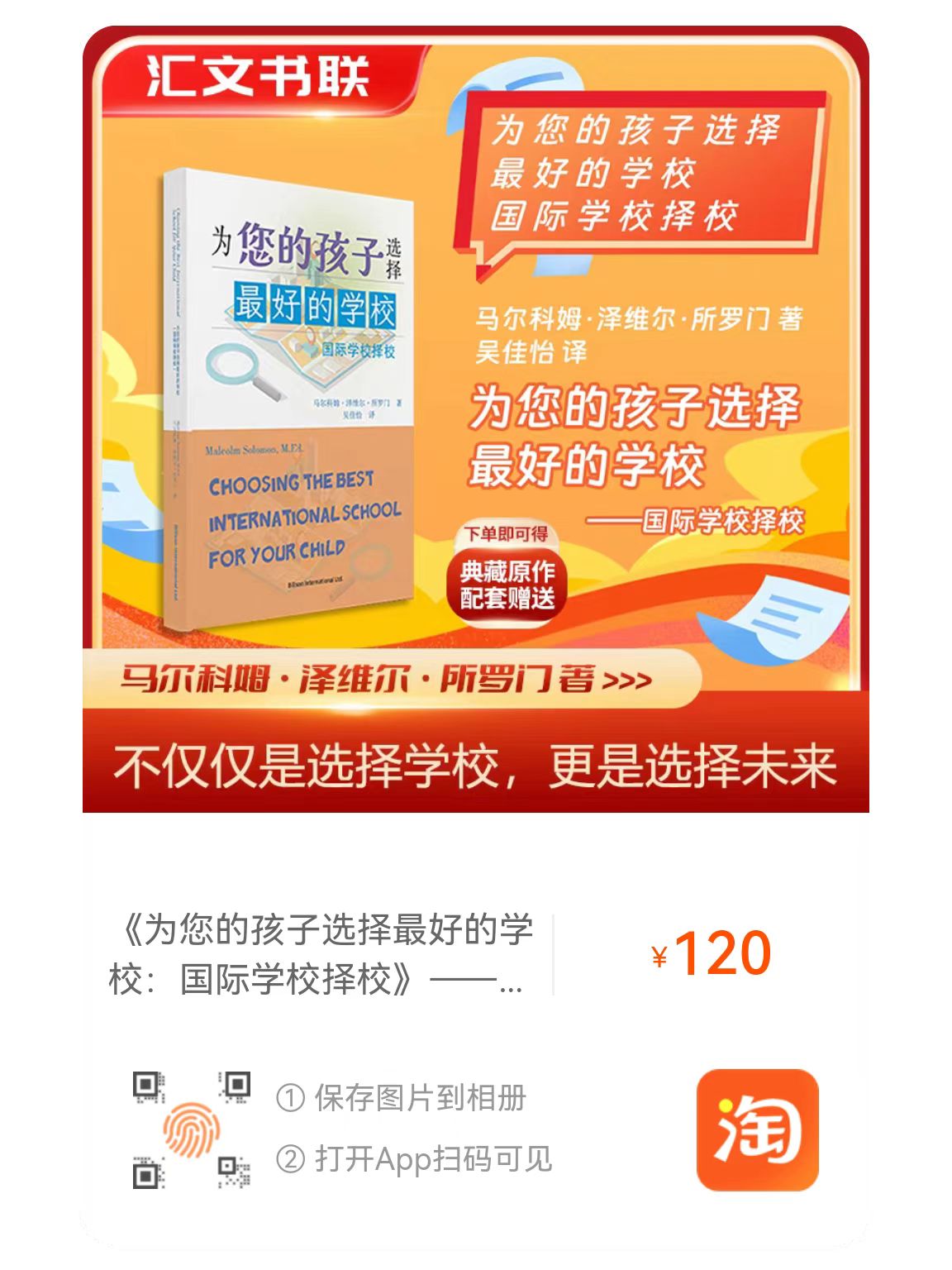
Images: Malcolm Solomon, Freepik