Move over, traditional career guides. In an era where jobs can involve managing virtual economies, designing sustainable cities or programming artificial intelligence, the classic career path isn’t kids’ only option. For the next generation navigating a world of limitless career possibilities, the well-meaning advice to “follow your passion” can feel overwhelming without a map. Now, a wave of adults with truly fascinating jobs are throwing that map wide open. They’re stepping out of their labs, studios, and field sites to share the real, unfiltered career advice they wish they’d had – not just about how to land the job, but how to build a life of curiosity, resilience and purpose. This is more than career day; it’s a mentorship movement designed to inspire the innovators, problem-solvers and dreamers of tomorrow.
Search the keyword #careerday to find more articles like this.
 Tell us your name and give us the elevator pitch about your job.
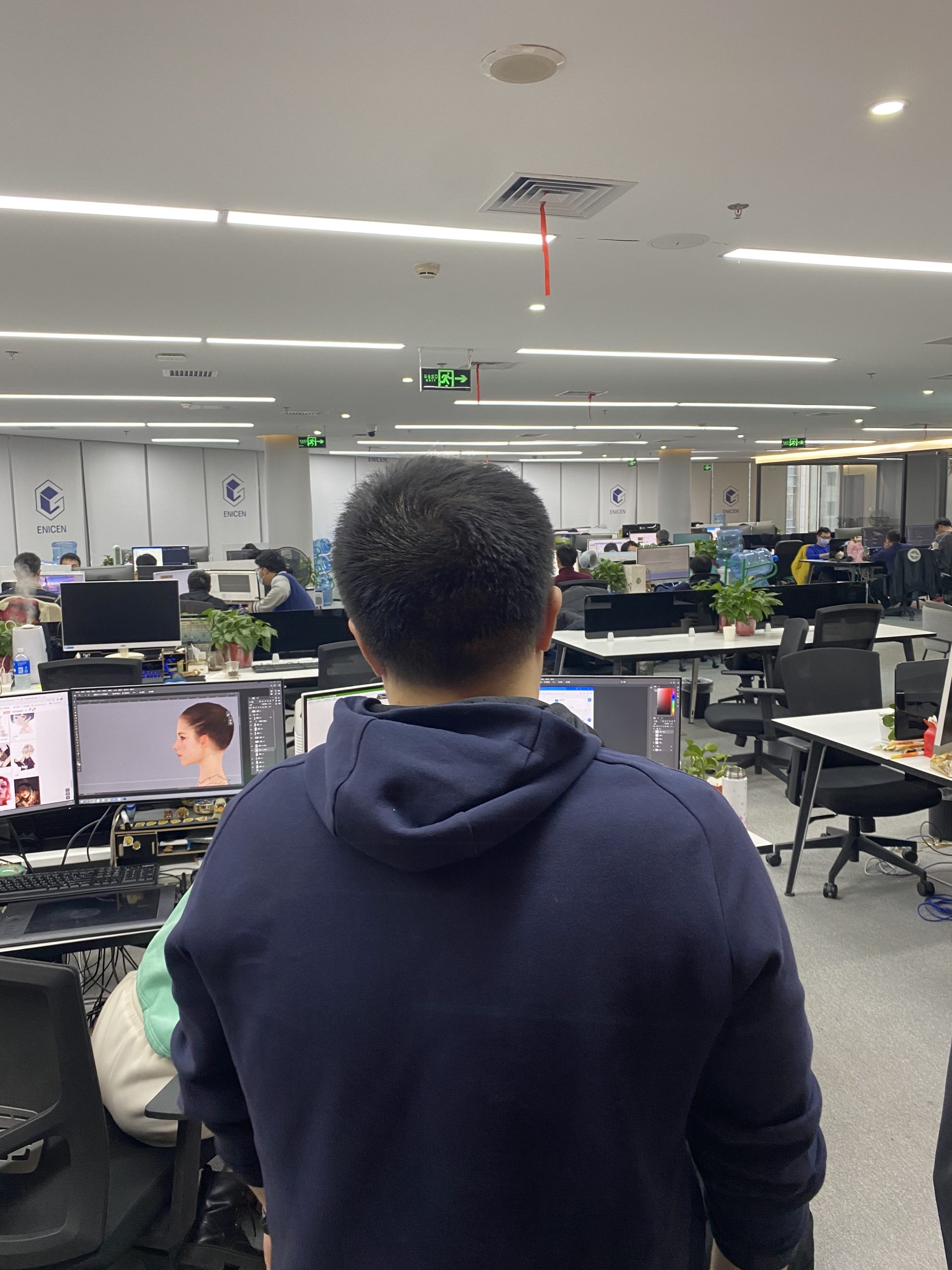
My name’s Yaohui Huang, and I am a game lead designer and producer for a game company that’s responsible for the development of a Massively Multiplayer Online Role-Playing Game (MMORPG). My job is to lead the team in transforming creative ideas into virtual worlds that players love – from the core gameplay and world-building to version planning, resource coordination and, finally, analyzing player feedback after launch. These are the key focuses of my daily work.
 Could you walk me through a typical day or week in your role? What are your primary responsibilities?
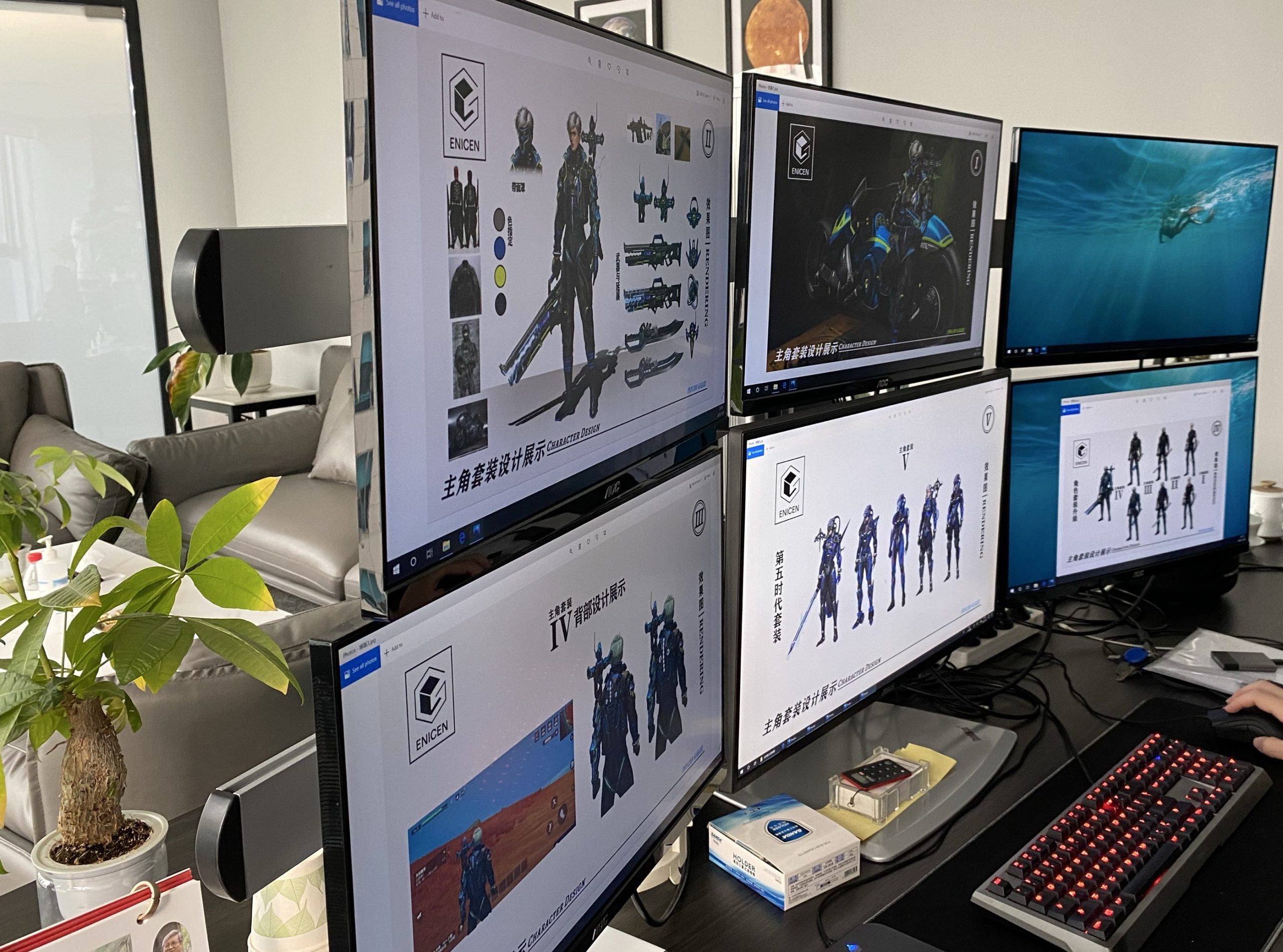
My week usually follows a clear rhythm of planning, doing, and then looking back. It all kicks off on Monday with our team meeting to get everyone on the same page – we check our progress, tackle any roadblocks and lock in the main goals for the week. I also touch base with the leads from Art, Programming and Operations to review our upcoming plans. From Tuesday through Thursday, I’m in the thick of it, diving into design discussions for things like new game events or character balancing. I spend a lot of time writing and reviewing design documents, all while putting out the inevitable daily fires, whether that’s a critical bug or a team disagreement. Then Friday rolls around, which is all about wrapping up – we review the current version of the game, summarize what we’ve accomplished and finalize plans for the following week. I also try to carve out some time to see what our competitors are up to and catch up on industry news.
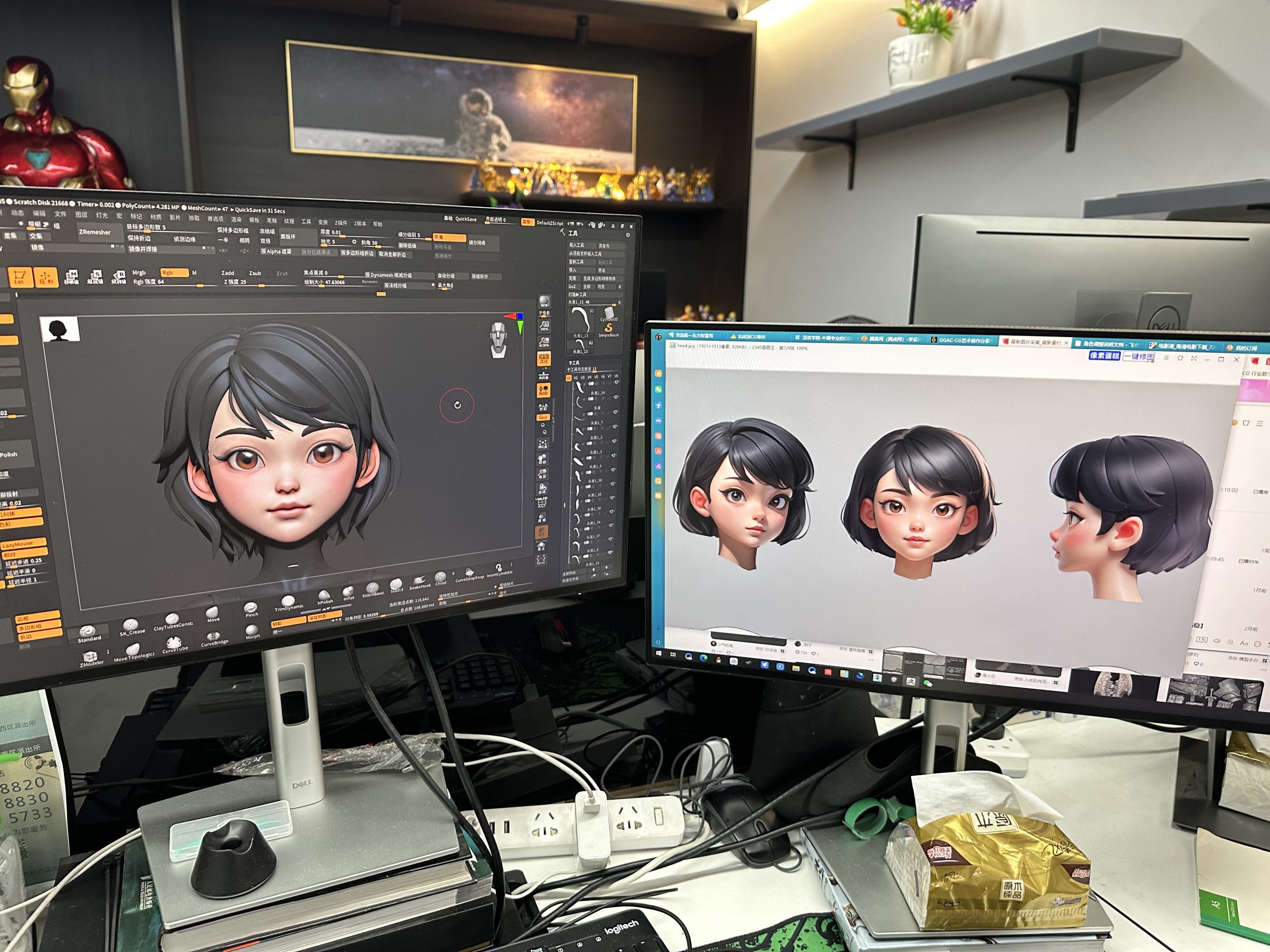 In a nutshell, my main job is to set the long-term vision for the game, keep the project on track and high-quality, make sure all the different departments have what they need and constantly balance our creative ambitions with what’s technically possible to build.
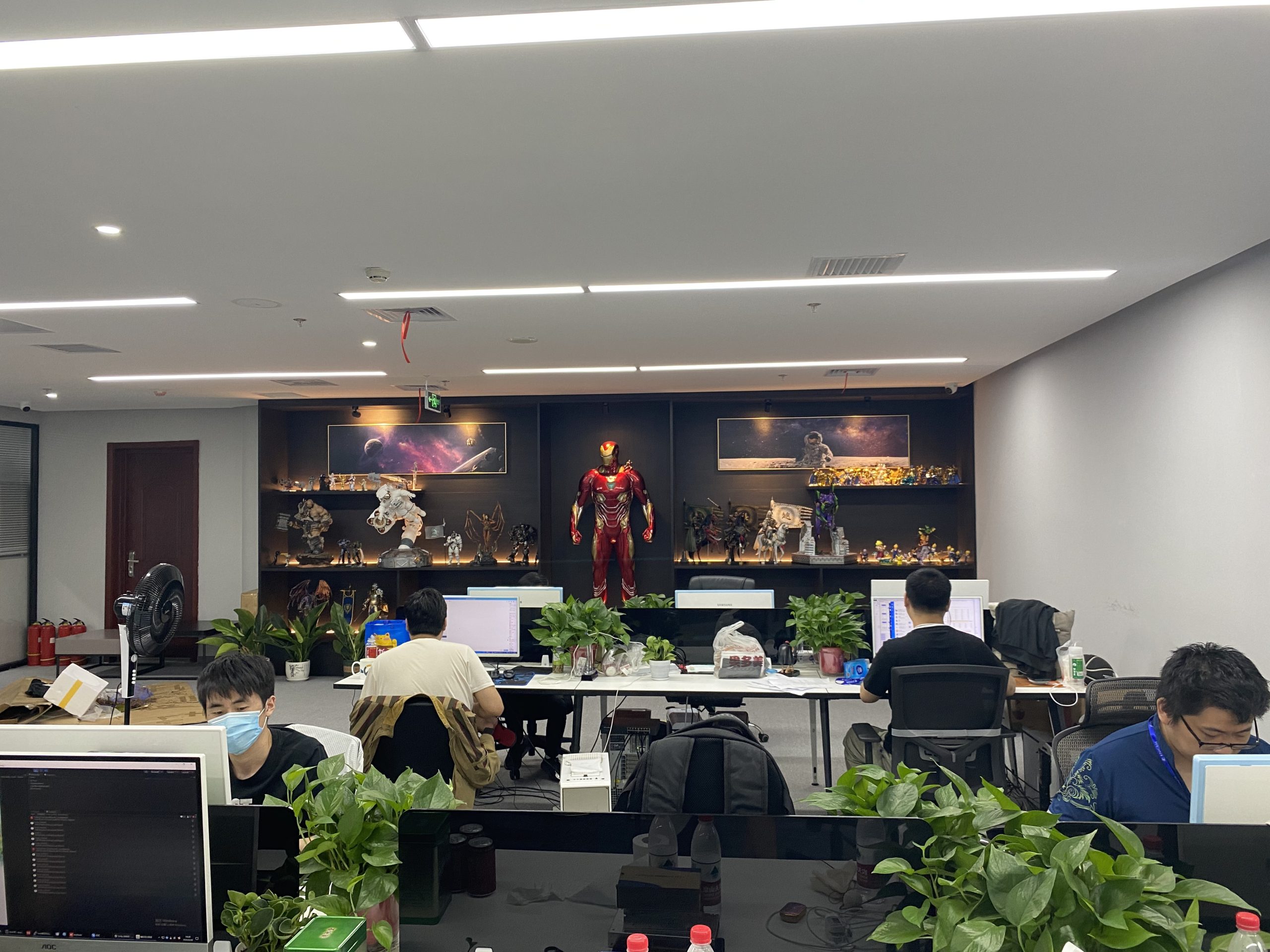 What is the most rewarding or fulfilling part of your work? What problems do you get to solve? On the flip side, what are the most significant challenges or stressful aspects of your job?
The most fulfilling part is easily seeing players light up – watching them share their wild in-game adventures or connect deeply with a story we built. There’s nothing like launching a big update and then seeing fans run with it, creating their own events and art. That’s when you realize you’re not just making a game; you’re fostering a real community.
Day-to-day, a lot of my job is about solving the puzzle of balancing our big creative dreams with what’s practical for the business and our players. It’s a constant push and pull: How do we stay innovative without alienating people, and how can we use player feedback and data to honestly find and fix what’s not working?
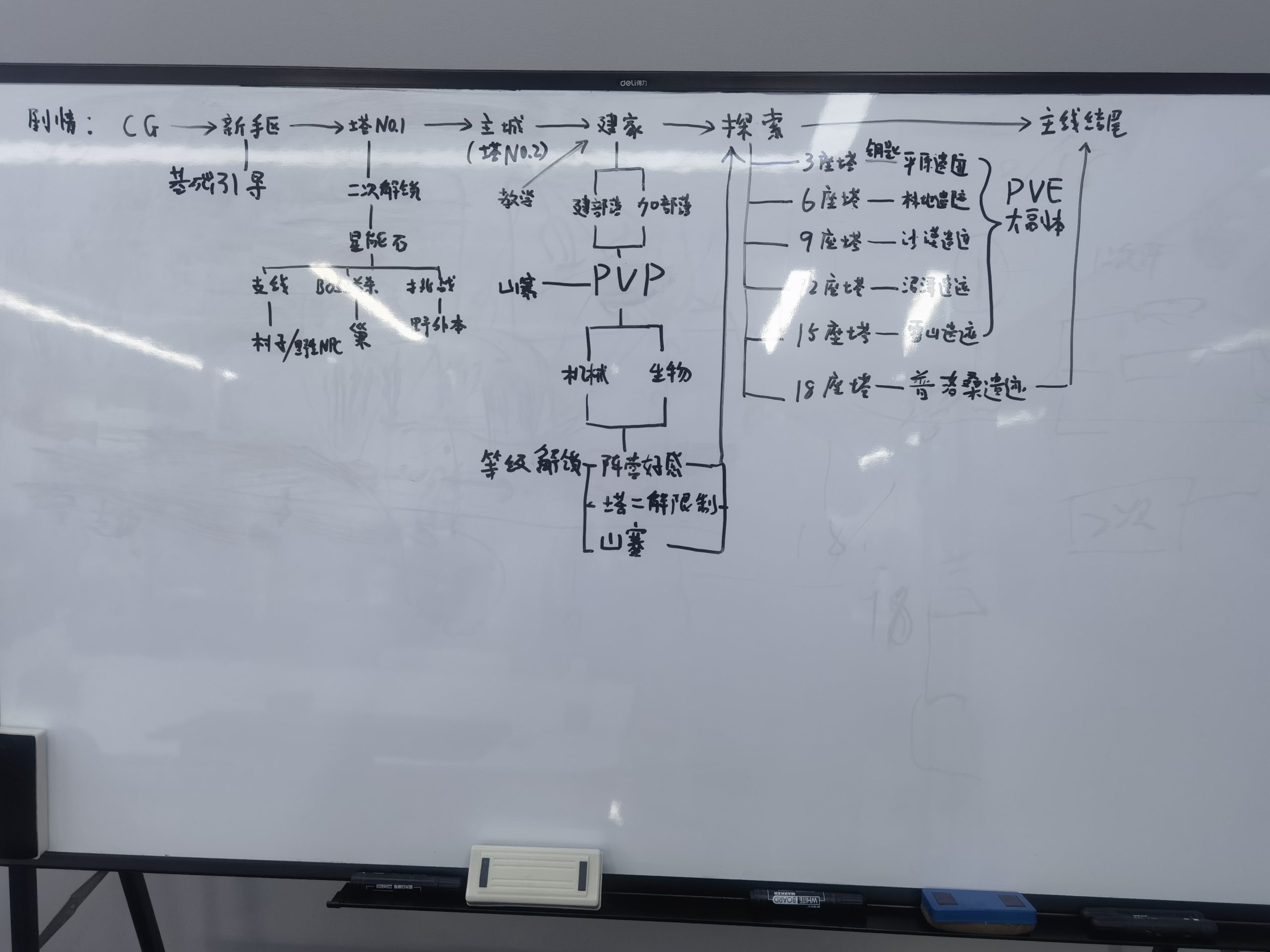 The biggest challenges are the classic ones: There’s never enough time or resources, especially when the market shifts and we have to adapt fast. And then there’s the human element – juggling all the different opinions from the team, company leadership and the players themselves, all while trying to keep everyone aligned on a single vision without stifling their creativity.
How did you get to where you are today? You can talk about your educational route, pivotal moments, unplanned detours and any other decisions that you find important.
My path wasn’t a straight line. I actually studied network engineering in college, but my real passion was always games. I spent my free time learning game design on my own and even started building my own mods. That hustle helped me land my first job as a junior game designer, where I cut my teeth on system design. A big break came when I joined a startup at 25. Working on a massive mobile MMORPG gave me a crash course in the entire game development lifecycle. That experience led to me being promoted to lead designer, where I got to helm my own project and lead a team. Over time, by getting involved in strategy and learning project management, I naturally moved into a producer role, taking on more business-side responsibilities. I did have a moment where I thought about going the indie route, but I realized my strengths and passions lie in orchestrating big teams to build vast worlds, so I found my creative home right here in the world of large-scale commercial games.
 Knowing what you know now, if you could go back and give one piece of advice to your teenage self about work and life, what would it be?
I’d tell myself to never lose that sense of play, but to pair it with deeper curiosity. Let your love for games be your compass, but don’t just play them – take them apart in your mind. Ask why a level felt so exciting or a story resonated so deeply. Tinker, make mods and start building; those early experiments will teach you more than you realize. And remember, a brilliant idea is only the starting point; what truly matters is learning the craft to bring it to life.
Don’t be afraid to explore widely, either. Dip into programming, art, psychology – every field you touch will make you a better designer. You’ll face setbacks, of course. Projects you love will fail, and ideas will hit dead ends, but treat it all as essential fuel for your next attempt. Finally, learn to communicate clearly and collaborate openly. This is a team sport, and being able to listen, express your vision and work with others – including powerful new tools like AI – is what turns a solo dream into a shared reality.
Images: Yaohui Huang