

Are you as curious about who’s shaping the young minds of our kids as we are? We’re sitting down with teachers and staff from Beijing’s vibrant international schools to learn more about their unique stories, experiences, and perspectives. From the challenges of adapting to a new culture to the joys of building connections across borders, these conversations will shine a light on those who make up our education community. Whether you’re part of an international school yourself or simply curious about life in Beijing’s globalized education hubs, join us as we get to know the people behind the classrooms, hallways, and campuses that shape this extraordinary world.
This week’s #BeijingEducators features Ronja Schiemann, German Nursery Class Lead Teacher at House of Knowledge International Kindergarten.
 I first met Ronja and her family back in 2020 when we had the privilege of featuring them on the cover of beijingkids Relocation Guide (back when we were called beijingkids).
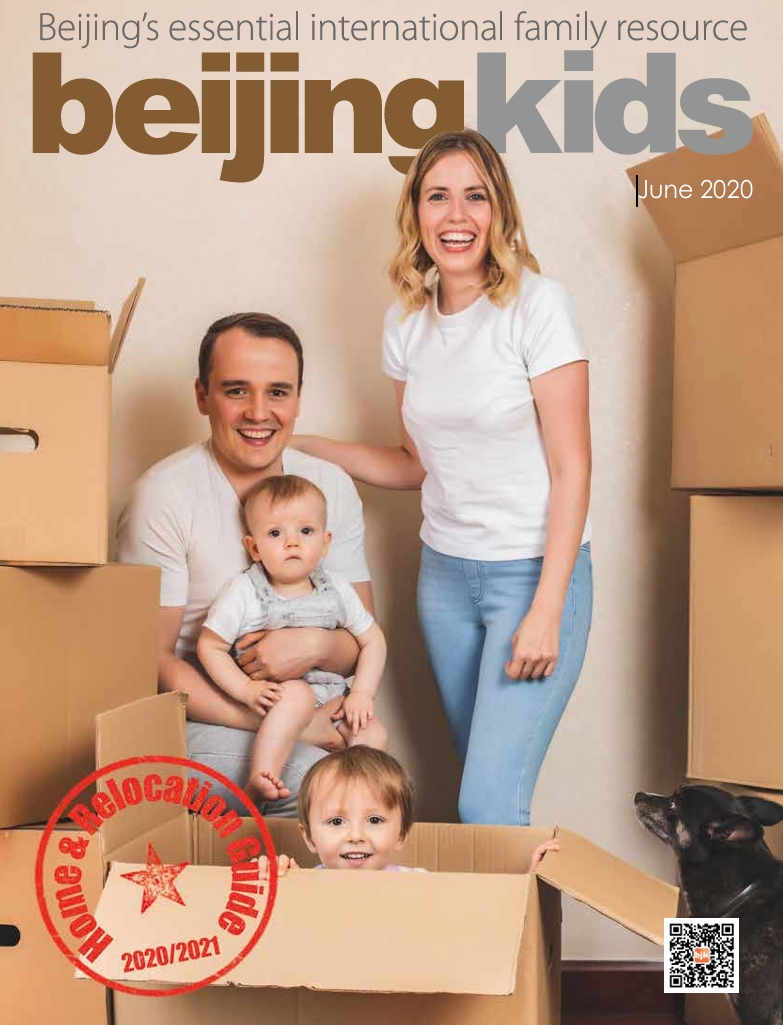 In 2020, the Schiemanns decided to take a little break from China and spend some time back in Germany, which was such a special experience for the kids. “We had a lot of time outdoors, exploring nature and reconnecting with family,” says Ronja. “But I have to say, we really missed China! There’s something about the energy here, the community, and the sense of home we’ve built that keeps calling us back.”
How has living and working in different cultural contexts shaped your perspective as an expat parent?
Living in different countries has shaped how I see everything – from parenting to daily routines. I am constantly navigating between cultures, and that’s made me more open, flexible, and curious. I’ve learned to blend values from my home culture in Germany with the richness of the places we’ve lived, like China.
It’s also helped our kids grow up with a sense of global belonging. It’s not always easy – there are challenges, like adjusting to new systems or feeling far from extended family – but overall, being an expat family made us more resilient, and definitely more adventurous!
The Reggio Emilia approach deeply resonates with you. How do you bring its ideas into your daily life as a mom?
At home, I try to follow my children’s curiosity wherever it leads. If they’re into building, painting, collecting rocks – whatever it is – I see that as a learning opportunity. Our house is a bit like a living studio: Art supplies are always within reach, we rotate books based on what they’re interested in, and nature finds its way inside through pinecones, leaves, sticks, and countless rocks. Sometimes, it drives my husband crazy, but he learned to accept the chaos.
We love to build forts on rainy or bad air weekends. We experiment with household materials, and sometimes just sit and wonder together. Instagram and YouTube give me inspiration for quick and easy setups to keep the kids busy for hours. In general, it is less about planning the perfect activity, and more about creating space for discovery.
 What’s one tradition or value from your upbringing in Germany that you’ve carried into your family life in Beijing?
One word: Gemütlichkeit. It’s this cozy, warm feeling of being together and slowing down. It smells like vanilla and cinnamon and tastes like hot chocolate.
I try to bring that into our weekends: long breakfasts with Dutch baby pancakes and berries, park walks, or just unwinding at home with music, storybooks, and crafts.
Germany taught me to value both rhythm and freedom, and I think that balance really influences how we parent – creating routines that feel comforting but always leaving room for spontaneity and fun.
What has been your most rewarding experience as an early childhood educator so far?
One that really stands out is a little girl who was often described as “shy.” She loved art but rarely spoke in group settings as her mother tongue was not German. Over time, through a project-based approach, she slowly started sharing her ideas, and now, ten years later, she has grown into a very confident young high schooler with a talent for languages, ready to conquer the world. The group of friends they built in nursery still exists, and they share stories of meet-ups all over the world.
I am very proud of my students when I see them reach their full potential.
Watching that transformation reminded me why I love what I do. When children are seen, heard, and supported in the right environment, they truly flourish.
Your family loves exploring restaurants, parks and playgrounds in Beijing. What’s one of your favorite discoveries?
We absolutely love a place called Sheep Momo – a little petting zoo just outside the city. It has everything: animals to feed, a huge playground, water play, and lots of open space. You can even order food delivered to the gate and just spend the whole day there.
It feels like a hidden gem and totally fits with our values: messy play, nature, and a relaxed vibe. Plus, it’s a great place to meet other families.
 Outside of teaching, what’s something you’re deeply curious about or love learning?
Lately, I’ve been diving into child psychology and neuroscience. It’s amazing to learn how relationships and early experiences shape the developing brain. I find it fascinating and super helpful in my work and parenting.
I’m also really into design and open-ended play. I constantly change my classroom setup to observe how spaces affect behavior. It is truly amazing how children are driven by their surroundings, and I feel very proud when we build a space that they feel inspired and start playing right away.
That ties back to Reggio’s idea of the environment as the “third teacher.” Thinking about how to make spaces that feel calm, inspiring and full of possibility.
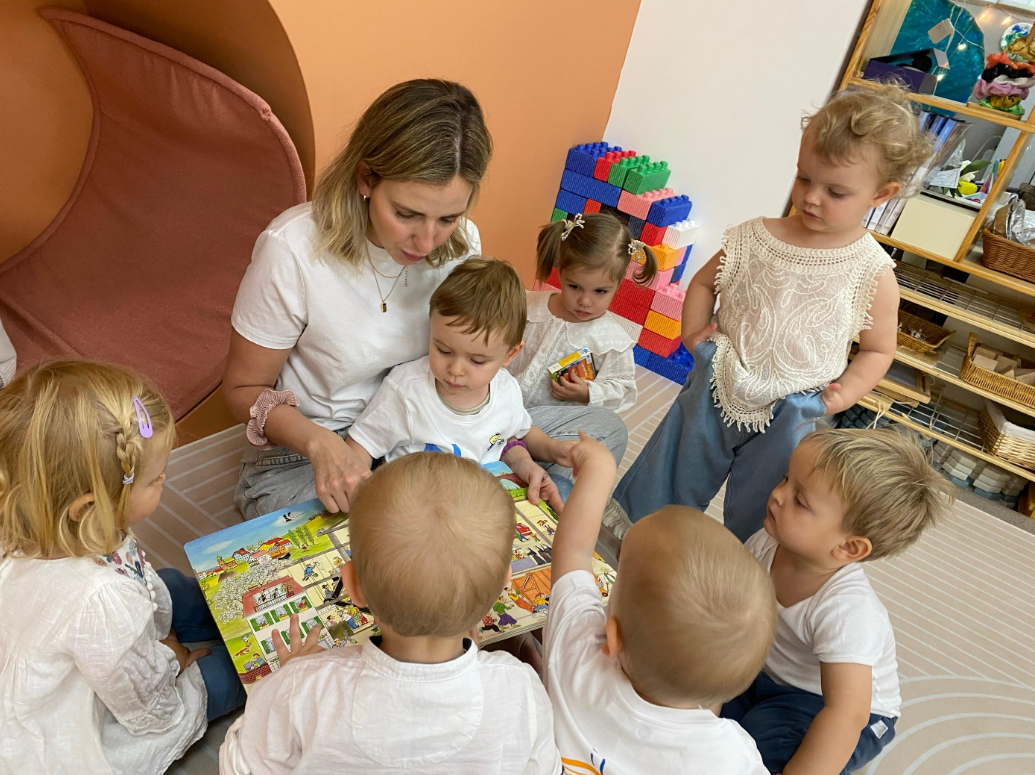
Let’s talk about your teaching style.
What is it about the Reggio Emilia approach that resonated with you the most?
What really speaks to me is how Reggio sees children: not as empty vessels, but as capable, curious individuals with big ideas. It’s not about giving them answers; it’s about walking alongside them as they explore and create meaning.
The emphasis on relationships, on listening, and on using the environment as a kind of silent teacher—it just feels very human, very alive. It’s less about ticking boxes and more about truly understanding and nurturing each child.
You describe your teaching style as “open, creative, and rooted in meaningful relationships.” Can you share an example of that in action?
Over several days, our class spent time in the park collecting natural materials. At first, the children were unsure what to do, as they were used to traditional toys. On the first day, they mostly observed. By the second day, we introduced simple invitations to play with the materials. By day three, the children were fully engaged, building and creating with what they had found themselves. Soon, classroom toys were left untouched as the children began bringing in and using natural and found objects from home, school, and outdoors. It sparked creativity, independence, and a whole new way of playing.
What strategies do you use to foster those “aha!” moments in young learners? Can you share a favorite memory?
I love using simple setups – what we call provocations – to spark curiosity. One day, I placed translucent shapes and mirrors on a sensory bin, and a child said, “The light is bouncing!” That one comment launched days of exploration into shadows, reflections, and color mixing.
Those moments when their eyes light up and they’re completely absorbed – that’s the magic. That’s when real learning happens.
 How do you balance structure and child-led exploration in your classroom, and how can parents try this at home?
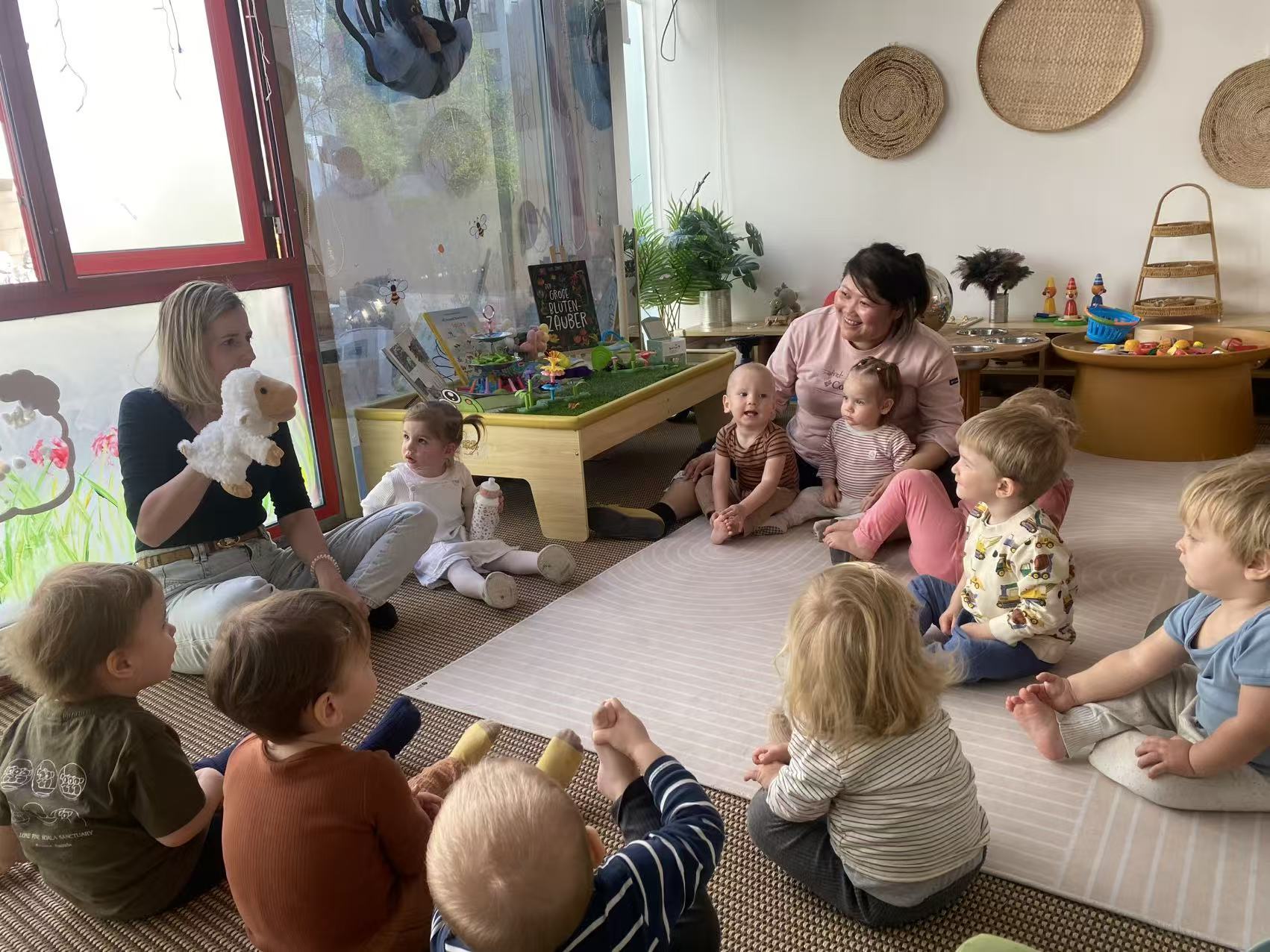
I think of structure as the rhythm of our day; it helps children feel safe and grounded. But within that rhythm, there’s lots of room to follow their lead. We usually start slow with different learning stations and breakfast. The morning circle time is filled with singing and movement, giving the children a feeling of belonging, and greets everyone. After that, their interests take the lead, and I set up simple provocations indoors and outside to spark curiosity.
We also have regular project times where we dive into art, crafts, or experiments. Some days we’ll spend ages creating something beautiful, like a big canvas painting. Other days, it’s all about messy play or trying out a fun science idea. It just depends on what feels right in the moment.
At home, it can be as easy as saying “yes” more often to your child’s ideas. Give them time and space to play without jumping in. Try asking questions like, “What do you notice?” or “What else could we try?” You don’t need fancy stuff – just time to explore and wonder together.
How do you assess progress in a Reggio or play-based classroom?
It’s all about observing and listening. I document children’s learning through photos, drawings, and conversations. We build portfolios that show the process, not just the product.
I’m looking for how they think, how they interact with others, and how their ideas evolve over time. It’s a much more meaningful way to understand their development – one that honors their individuality.
 Have you ever faced resistance to child-led learning? How did you respond?
Yes, especially from parents who are used to more traditional approaches. I totally get it – it can feel unfamiliar at first. When that happens, I take the time to show them what child-led learning looks like: the engagement, the problem-solving, the collaboration.
Sharing photos, learning stories, and quotes from their own children often helps shift their perspective. And of course, research supports it. Children do learn best when they’re actively involved in their own learning journey. It’s about building trust, step by step.
Image: jingkids, Ronja Schiemann, House of Knowledge Internatioanl Kindergarten