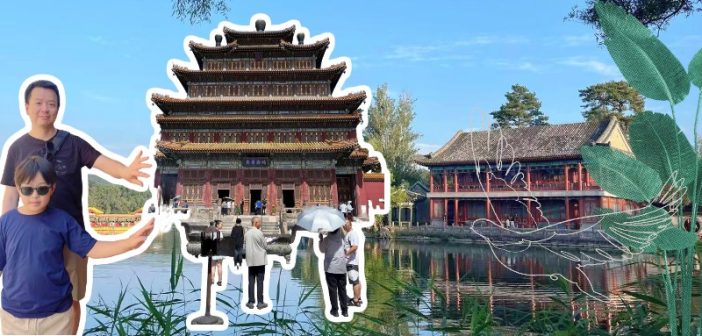
Have you ever traveled to another city to escape the blazing heat of your hometown? Well, if you have, that is one thing you have in common with the emperors of the Qing dynasty. The Chengde Mountain Resort, 承德避暑山庄, is where the Qing emperors went to escape the torrid heat of Beijing. In fact, 避暑山庄 literally means “avoiding heat mountain resort.”
Since everyone’s making their way back to Beijing to get ready for the start of the new school year, my family thought it would be nice to go there as our last trip before school starts.
During the Qing dynasty it took about half a month for the imperial family to travel to the Chengde Mountain Resort. It took my family only one hour to get there, traveling from Beijing Chaoyang Station to Chengdenan Station. Horse carriages are no match for modern high-speed trains. A total of about RMB 383, or USD 54, afforded all three of us the train’s second class cabin.
The website Trip.com saves you from having to purchase tourist site tickets one at a time. We purchased our tickets on the site for RMB 260 per person to visit four major sites: Changed Mountain Resort, Putou Zong Cheng Temple, Pu Ning Temple and Hammer Peak.
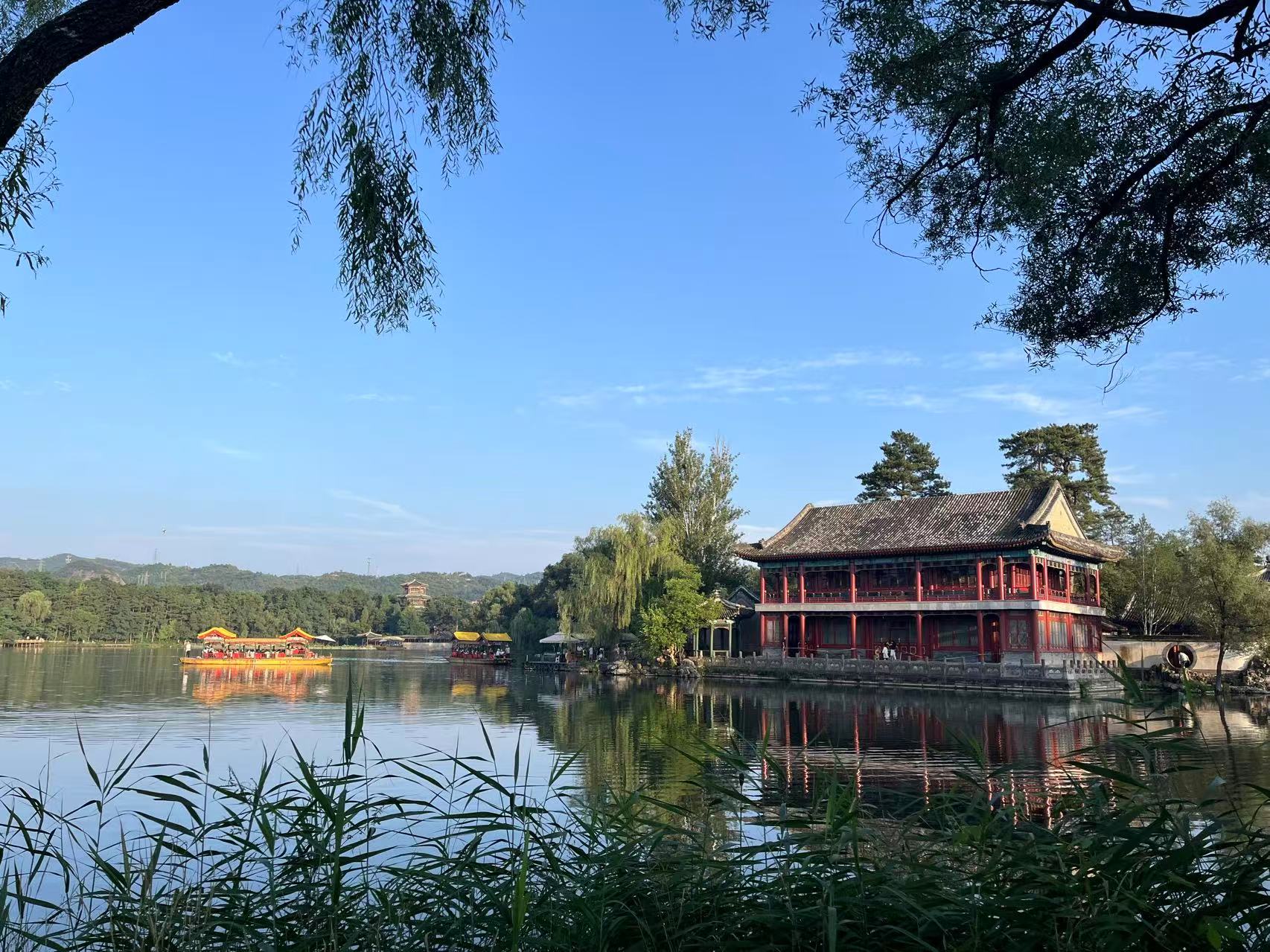 The Chengde Mountain Resort is like the Forbidden City in terms of the classical architecture, but the colors are a little different from Beijing’s typical palace sites. The beams still use the interlocking system, as many Chinese buildings do. The resort grounds are quite serene. The walls are muted red, and the roof is a colorless grey. The grass sprouting between bricks makes the resort look very connected to Mother Nature. In comparison to the bright and flashy colors of Beijing palaces, the Chengde Mountain Resort is simplistic.
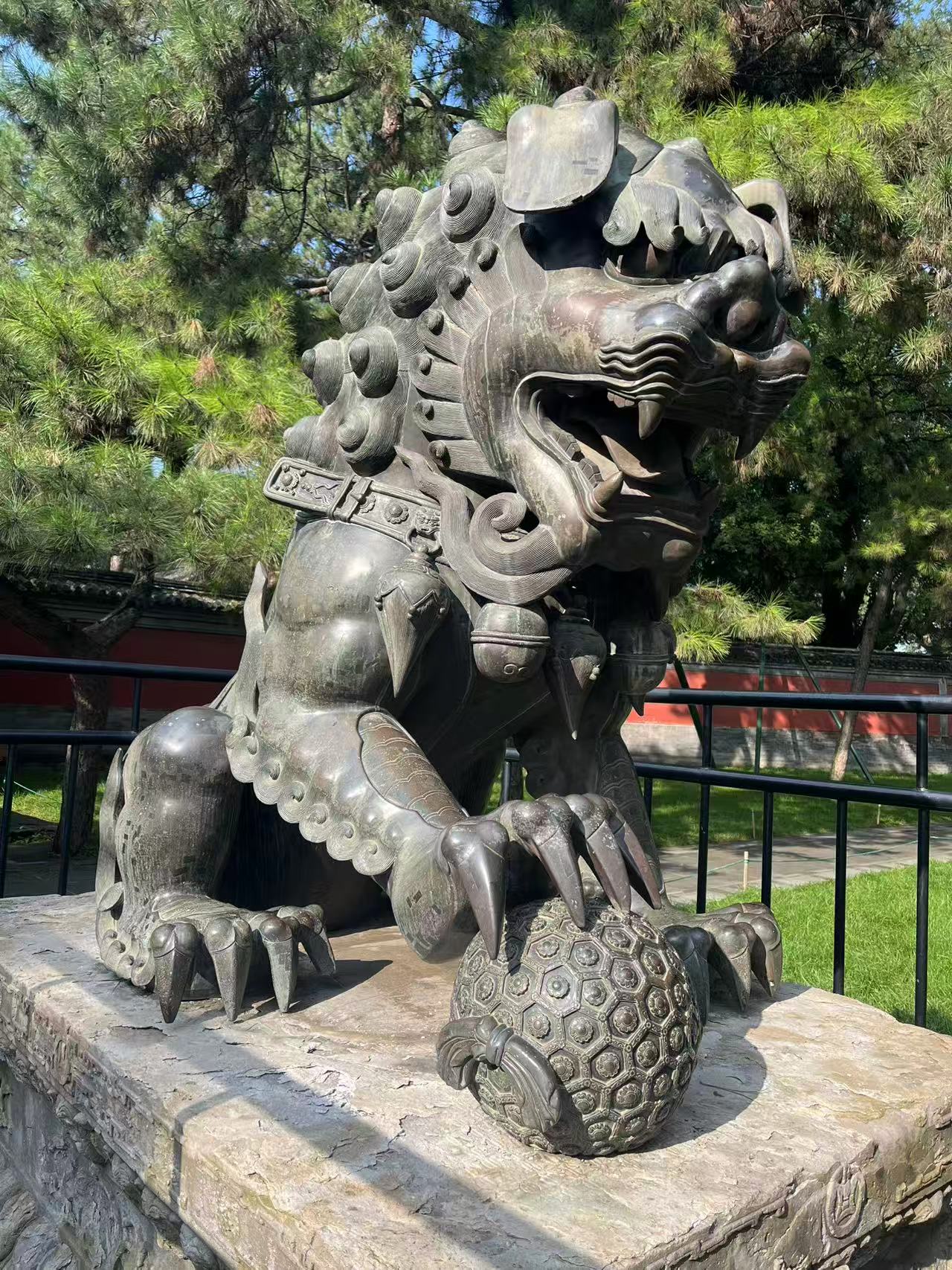 As you enter the Li Zheng Gate, two bronze lions stand fiercely guarding this gate. A scintillating fact is that during the World War II, to stop the Japanese from stealing these precious lions, the locals colored the lion’s eyes with pig’s blood to scare away the Japanese soldiers. It seems to me a clever way to be rid of enemies. One way to tell the difference between the male and female lions is to look at the paws. The mother lion has the baby lying down underneath her left paw, and the male holds an orb in its right paw.
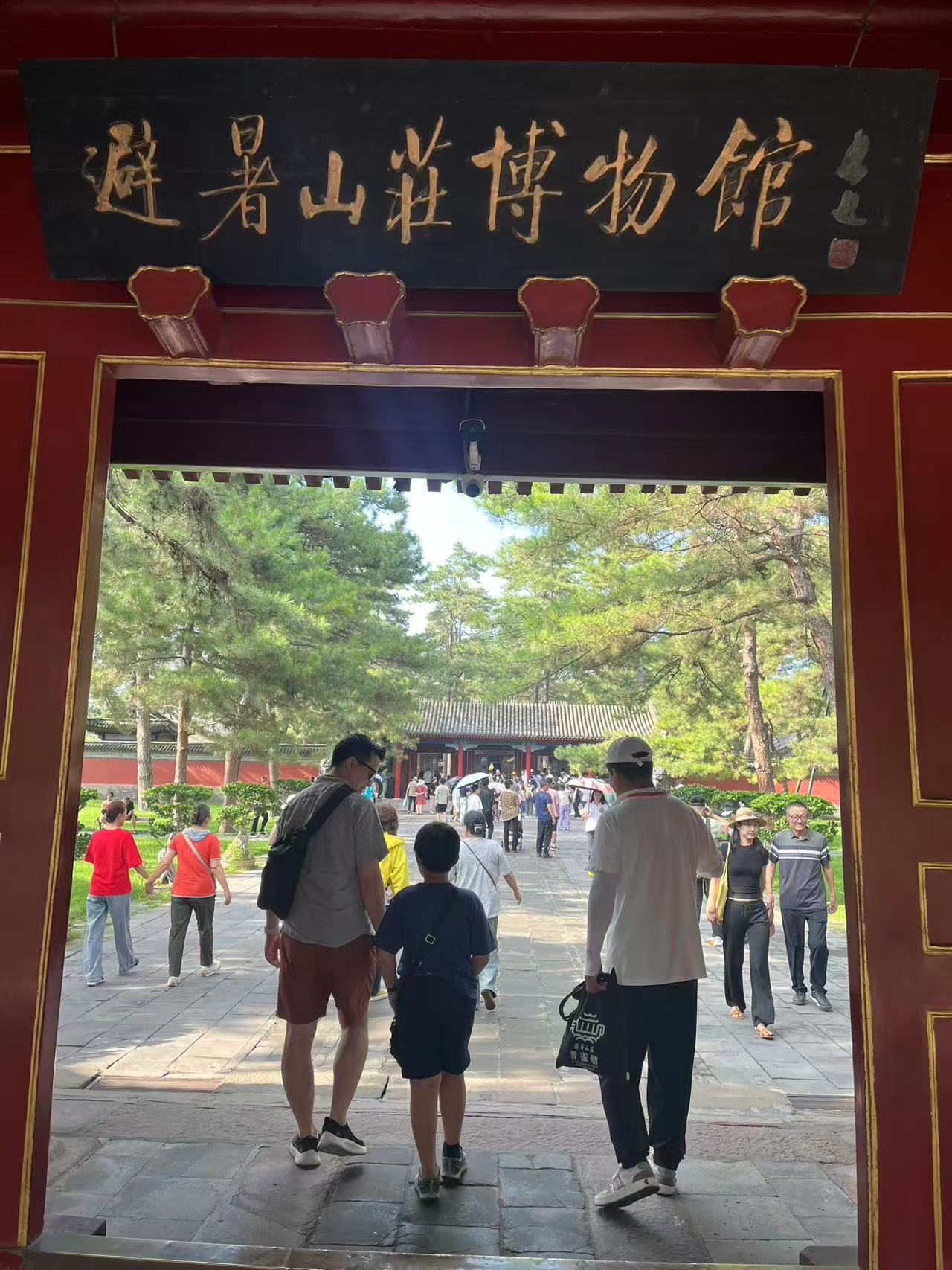 The resort has many halls and courtyards, just like the Forbidden City. We could peer into some of the windows and see the bedrooms and studies and changing rooms. Almost every room that the emperor visited had a golden chair, almost like a golden throne for him to sit in. In the emperor’s bedroom, there is a long and narrow bed, which represents long and healthy lives. Carved on the windowsill of many windows are bats and peaches. Peaches represent longevity, and bats symbolize good luck. Look for the characters of bat and peach carved on the beams of the roofs, too! It was an intimate look into the imperial family and how they lived, just like a glance back in history.
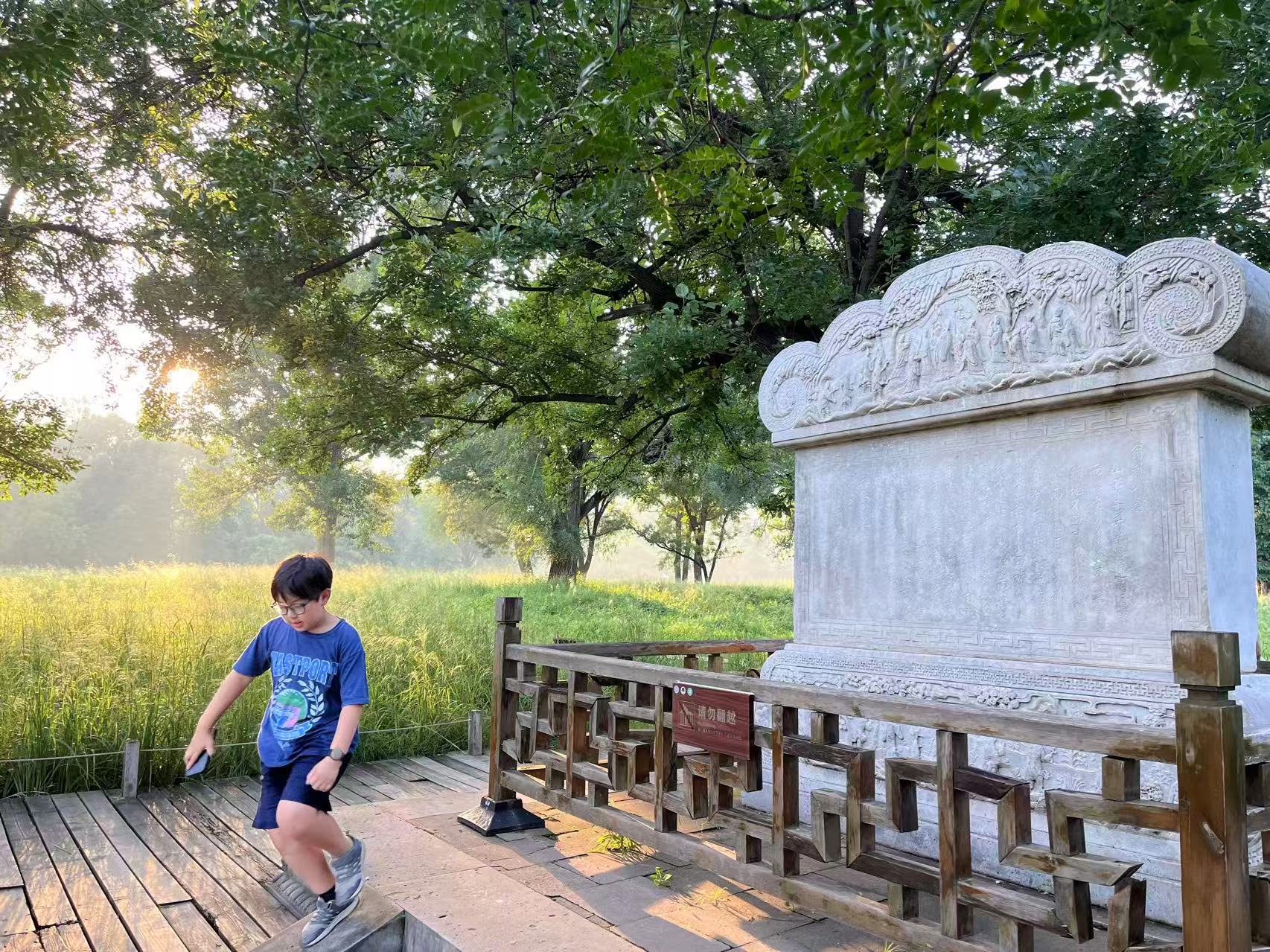 At the resort, there is also a huge garden area; this garden is bigger than the garden in the Forbidden City. There are mountains, lakes and even grasslands! We picked the lake route to tour. The lake is natural and was originally part of a river, but the emperor had it made into a lake, just for himself. There are three islands in the lake – one was for the emperor, and he had one made into a school for his children. There was another part of the lake, which was a hot spring, where the emperor would bathe on cold days. The lake has many winding willow-lined paths, and these would have provided shade for the imperial family.
Find it:
Chengde Mountain Resort 承德避暑山庄
6 Shanzhuang Donglu, Shuangqiao District, Chengde, Hebei province
河北省承德市双桥区山庄东路6号
Price: RMB 130 per adult, RMB 65 per child
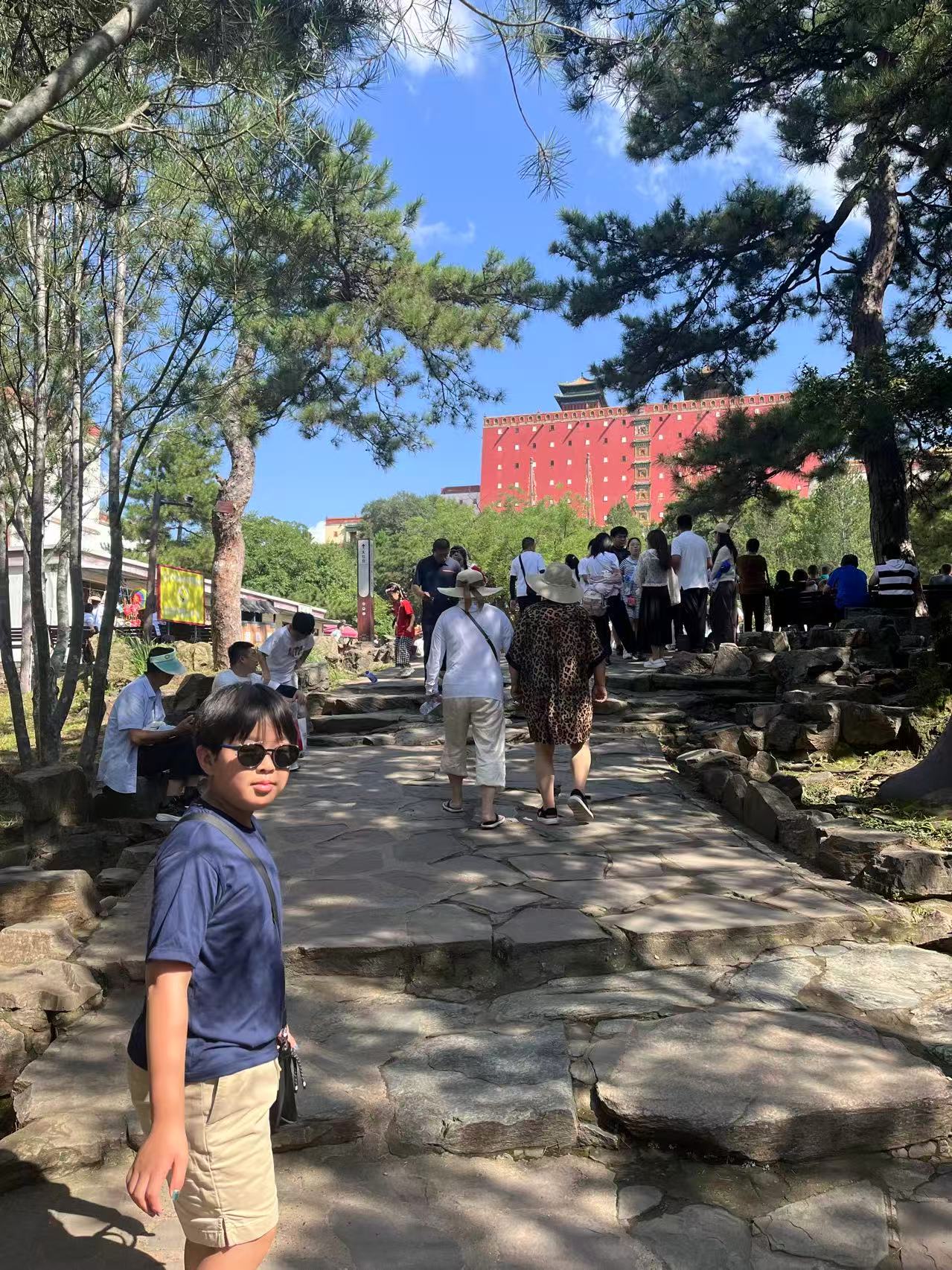
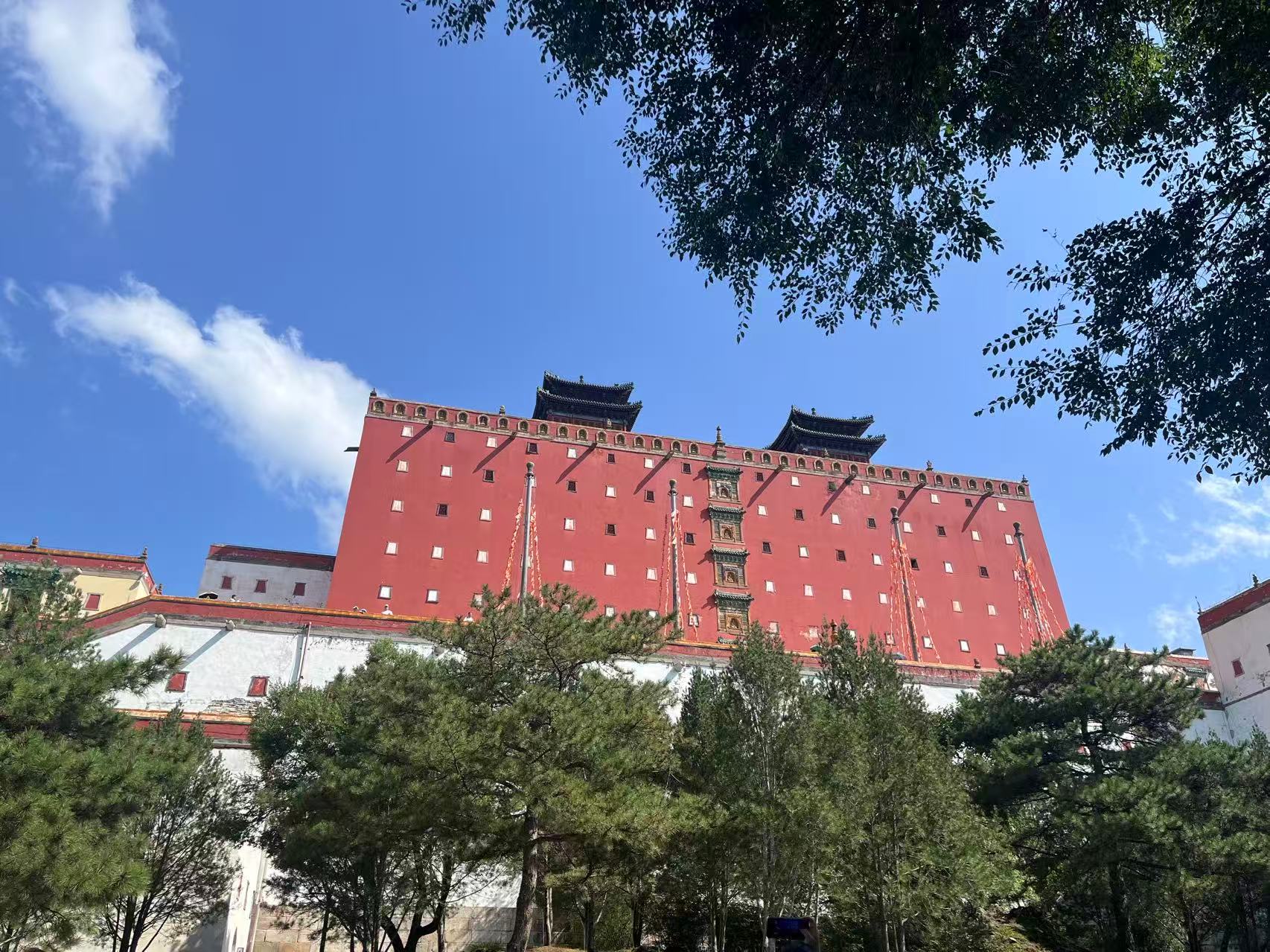
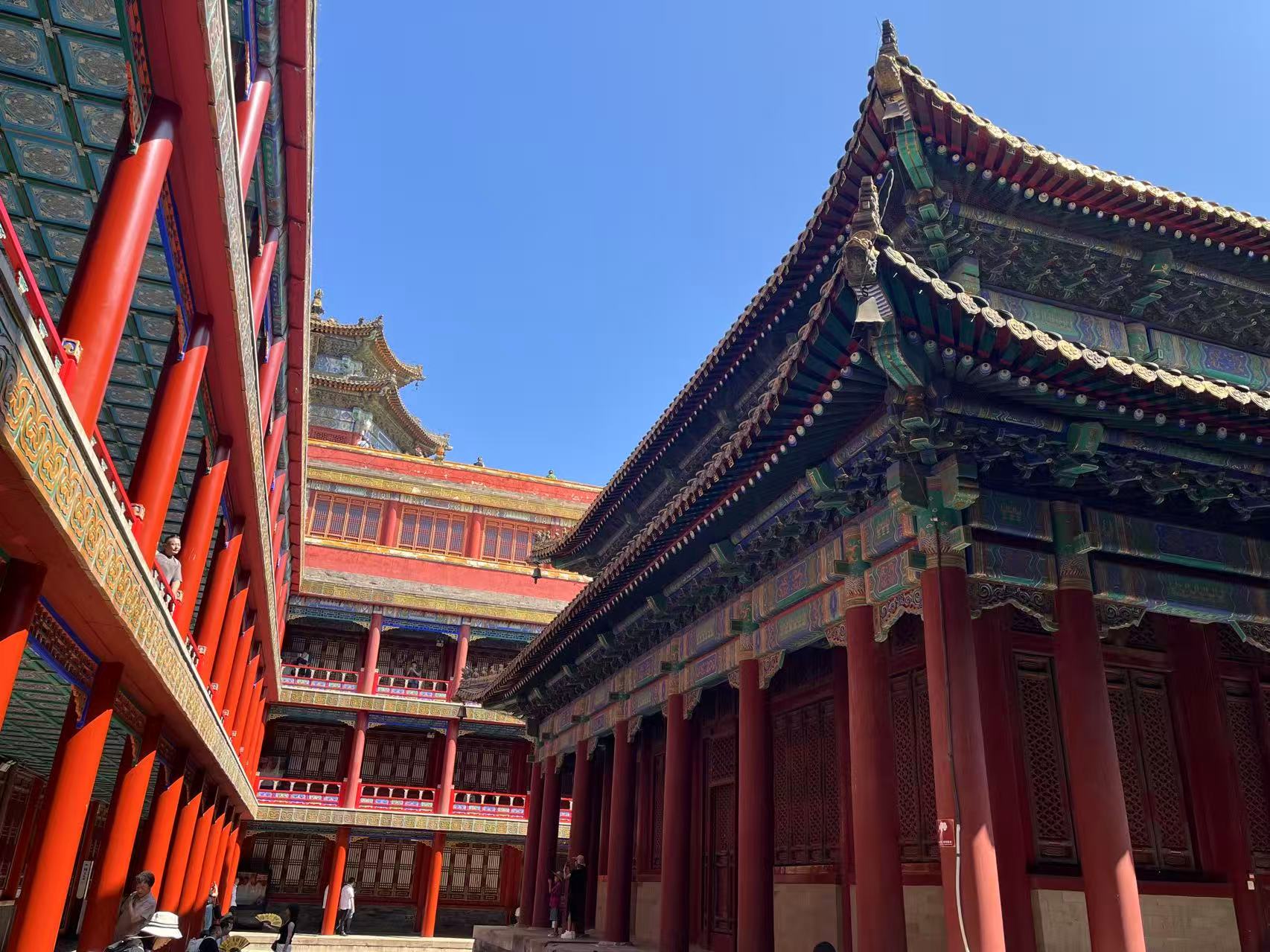
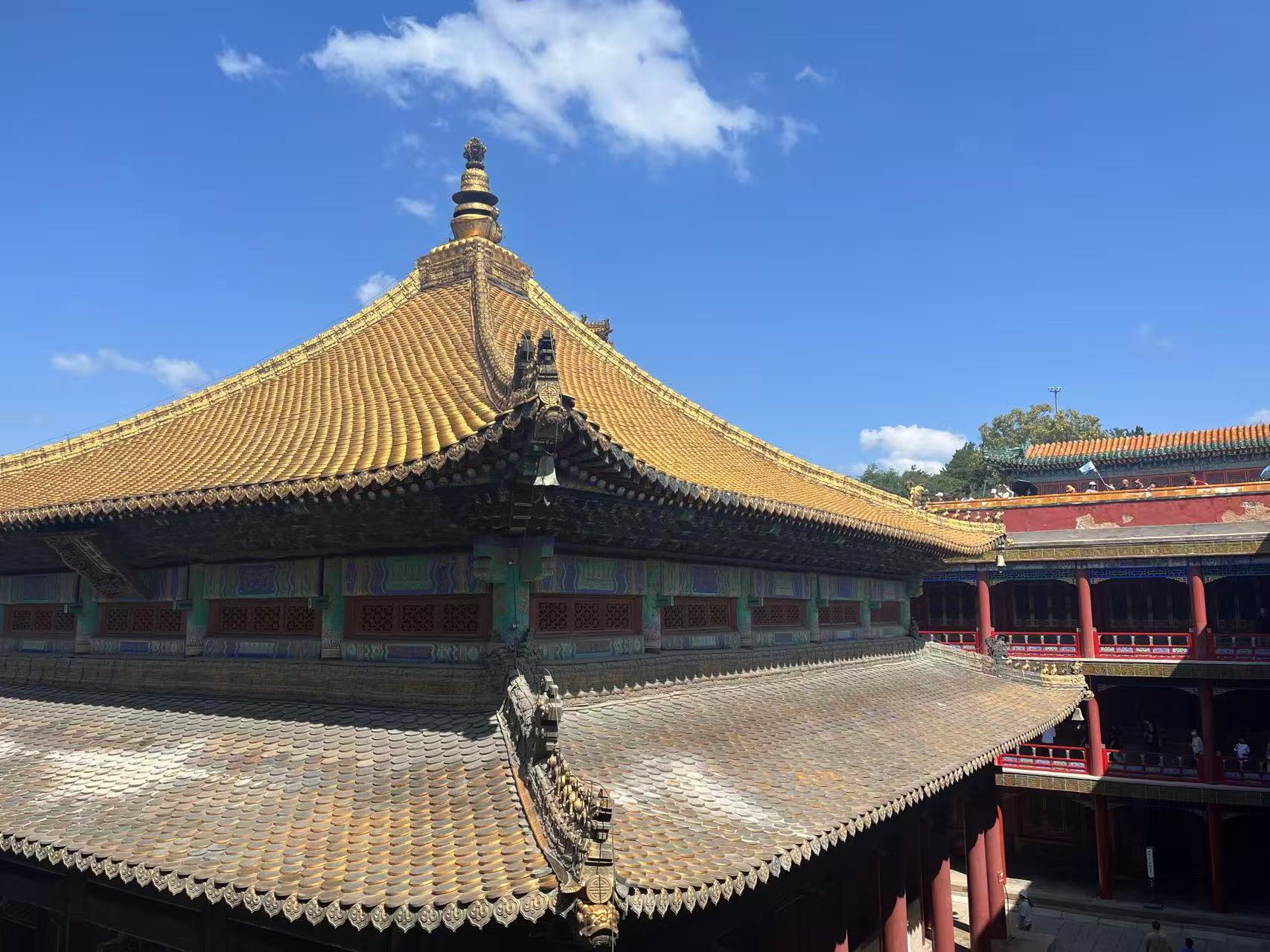
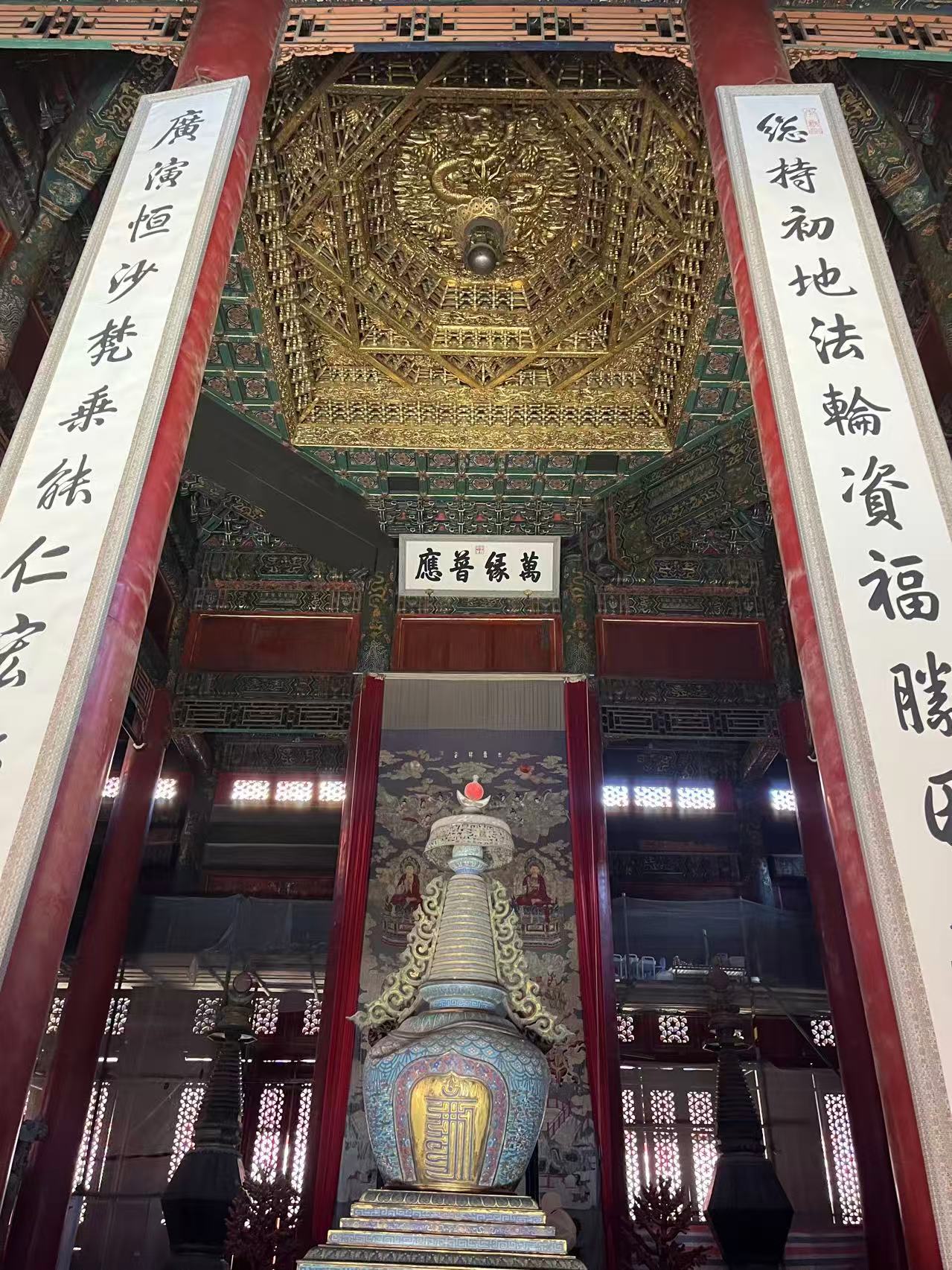
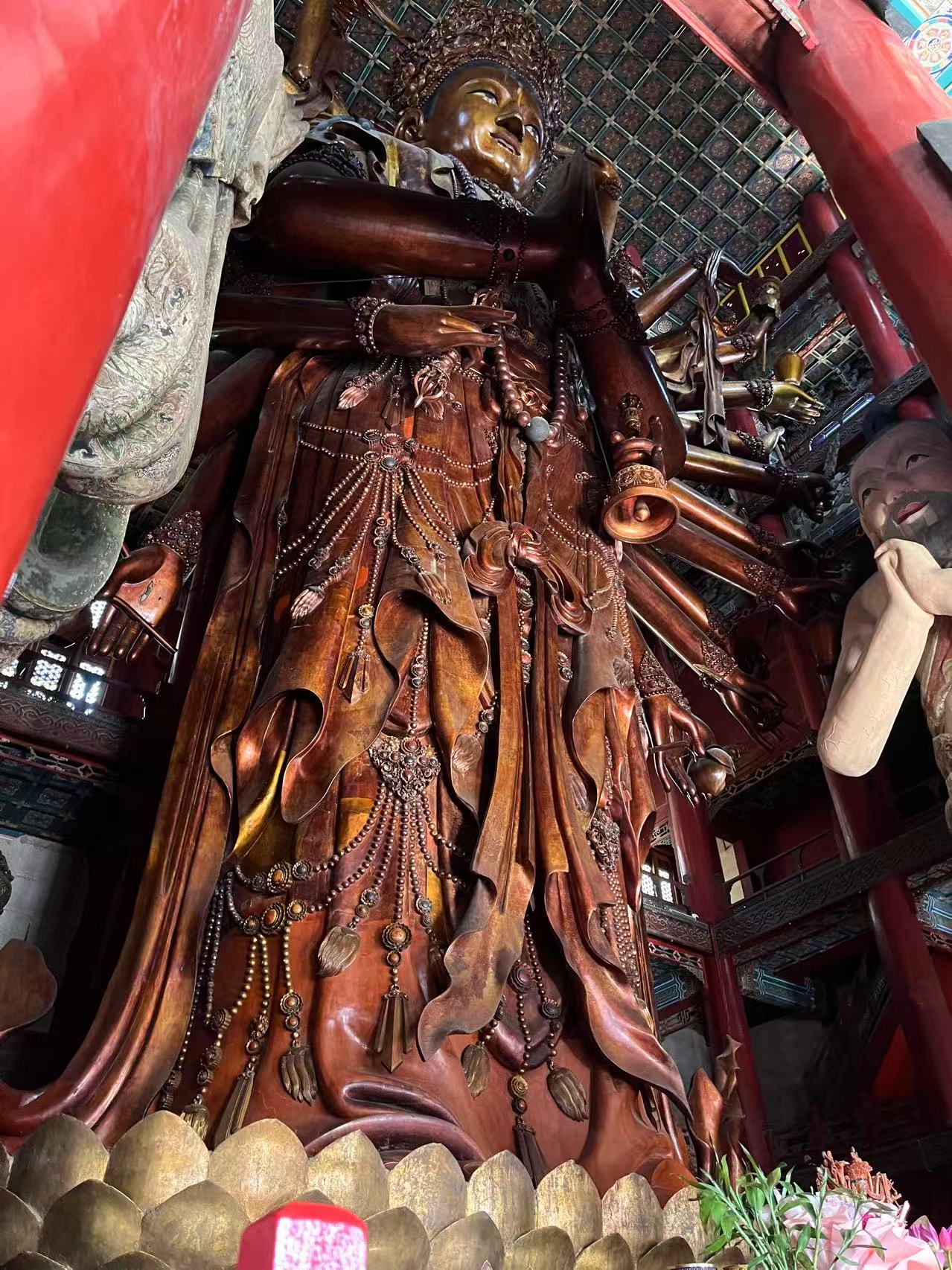
If you have time, I would also recommend visiting the Putuo Zongcheng Temple, 普陀宗乘之庙, 30 minutes from Chengde city center. The Qianlong Emperor had this temple built in honor of his mother’s 80th birthday. This temple is modeled after the Potala Temple in Lhasa, Tibet. At the bottom of the main temple was a small path lined with pine trees. In China, pine trees symbolize longevity due to their tall stems. The exterior of the temple looks like a plain red cube of clay, but the interior is very surprising, with beautifully decorated pavilions of deep red, golden roof tiles and wooden carved buddhas.
Find it:
Putou Zongcheng Temple 普陀宗乘之庙
Shiziyuan Lu, Shizigou Town, Chengde, Hebei province
河北省承德市狮子沟镇狮子园路
Price: RMB 80 per adult, RMB 40 child over 120cm
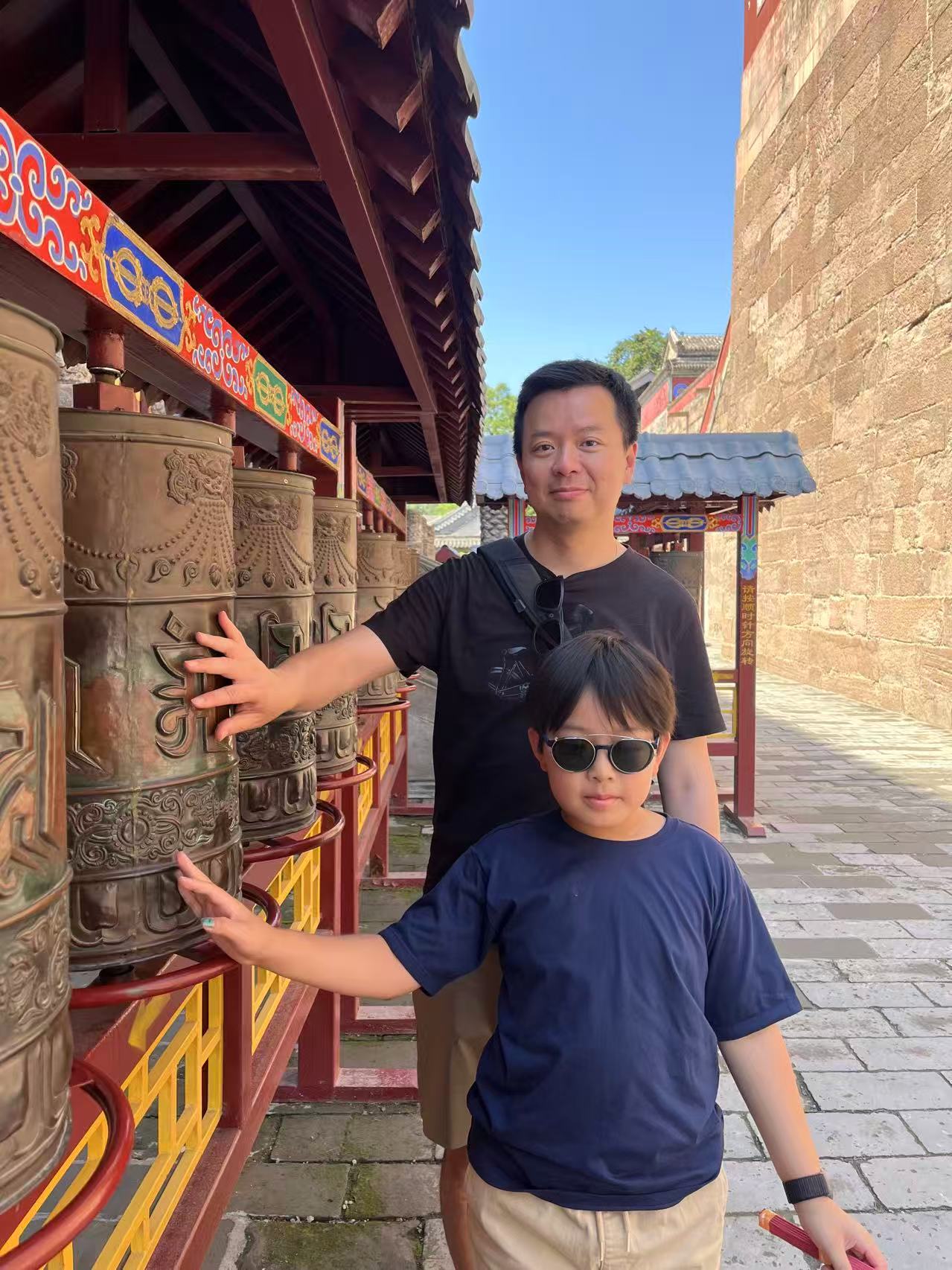
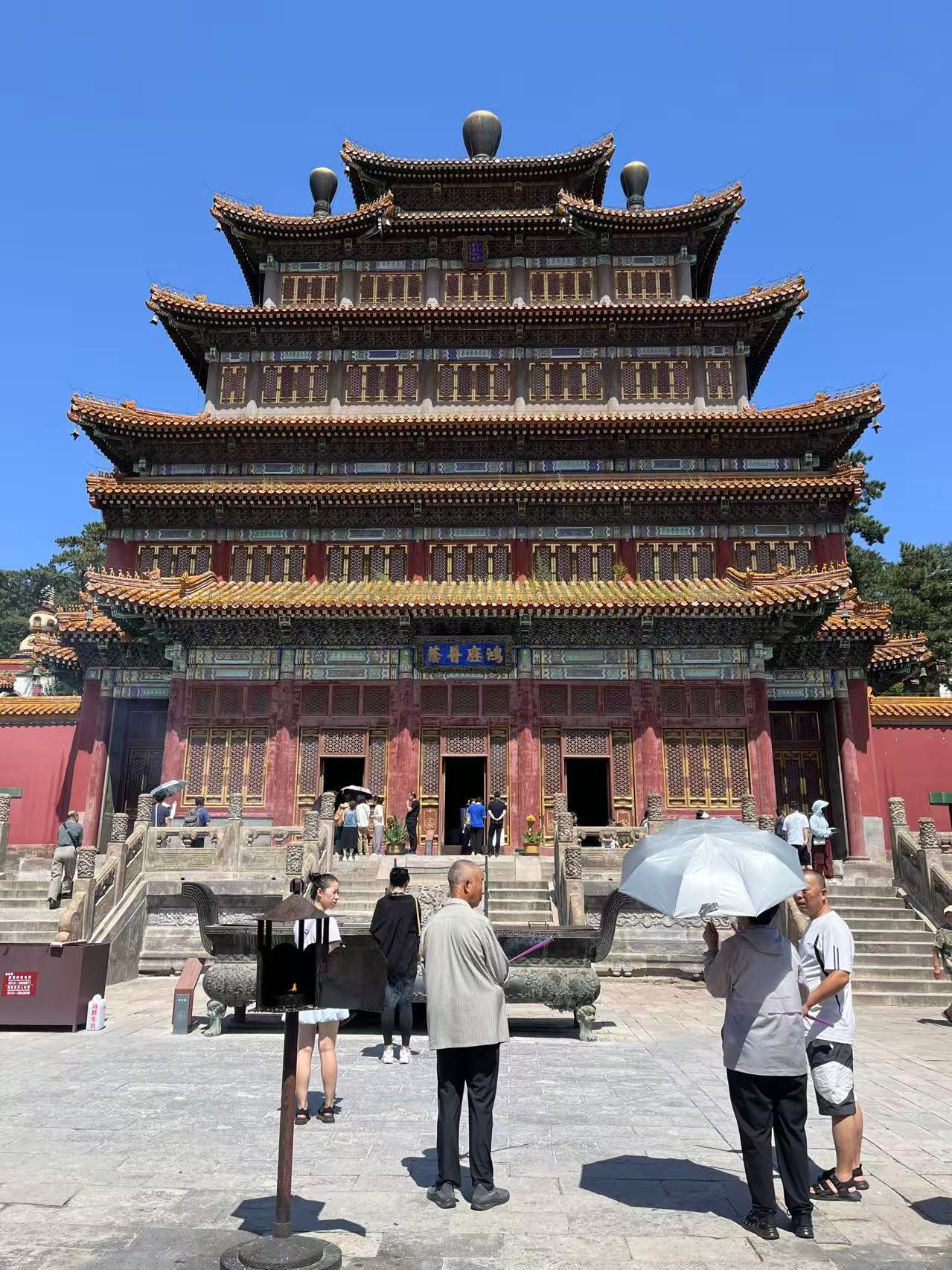 If you have more time, you can visit the Puning Temple, 普宁寺, as well, an interesting temple that is a combination of Tibetan and Chinese architecture. It was nice to see many people still lighting incense and offering their prayers.
 Find it:
Puning Temple 普宁寺
1 Puning Lu, Shuangqiao District, Chengde, Hebei province
河北省承德市双桥区普宁路1号
Price: RMB 60 per adult, RMB 30 per child over 120cm
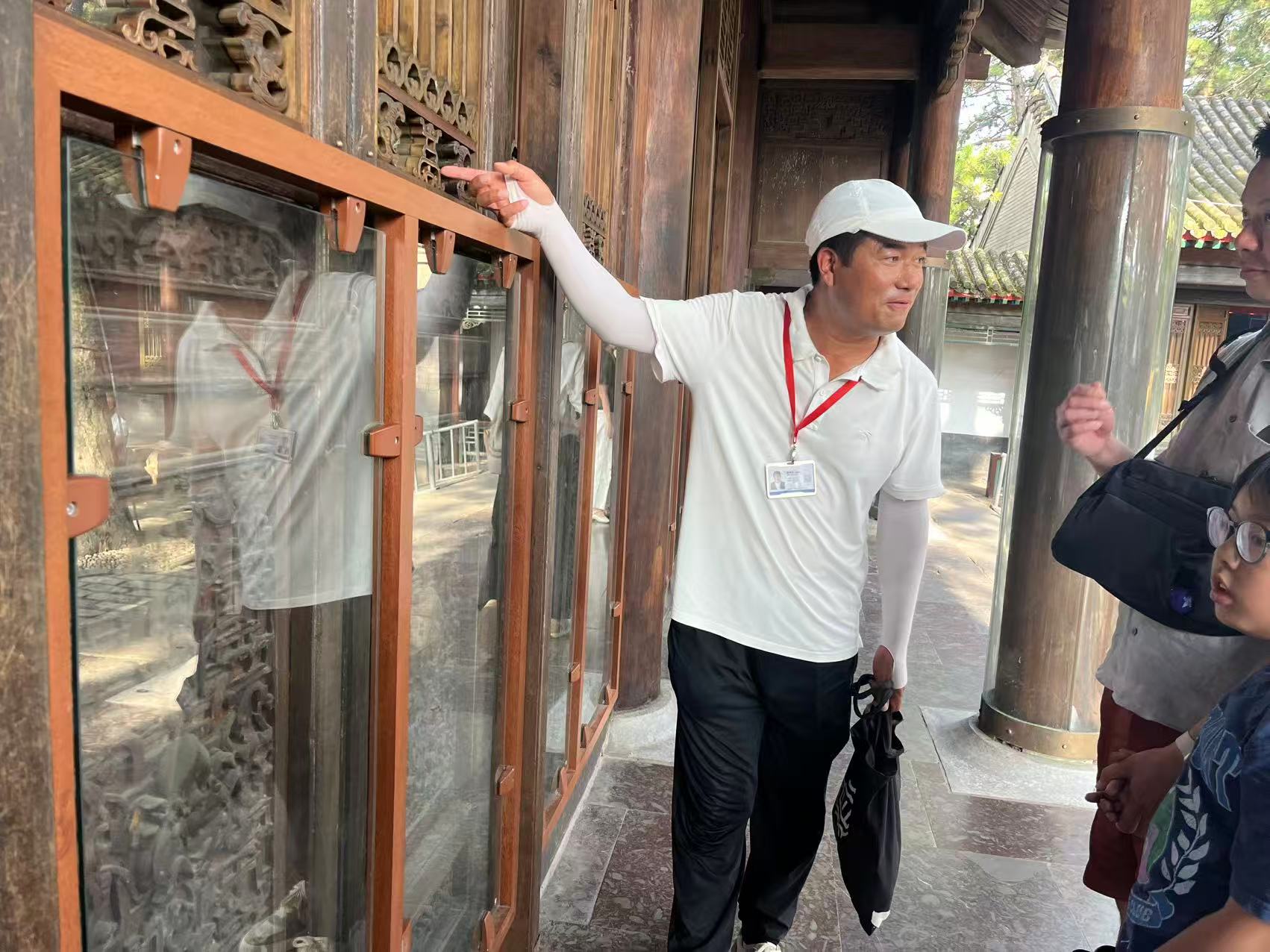
One of the things that made our trip extra interesting was the help of a very knowledgeable tour guide. He’s fluent in English, and for RMB 400, he explored his beloved city and shared its history and interesting stories with us. If you want to get in touch with him, add him on WeChat at cd_tour
Stay tuned. And Stay READING!!!
Images: Clark Yap