

 Move over, traditional career guides. In an era where jobs can involve managing virtual economies, designing sustainable cities, or programming artificial intelligence, the classic career path aren’t kids’ only option. For the next generation navigating a world of limitless career possibilities, the well-meaning advice to “follow your passion” can feel overwhelming without a map. Now, a wave of adults with truly fascinating jobs are throwing that map wide open. They’re stepping out of their labs, studios, and field sites to share the real, unfiltered career advice they wish they’d had – not just about how to land the job, but how to build a life of curiosity, resilience, and purpose. This is more than career day; it’s a mentorship movement designed to inspire the innovators, problem-solvers, and dreamers of tomorrow.
Search the keyword #careerday to find more articles like this.
 What’s your name and give us the elevator pitch about your job.
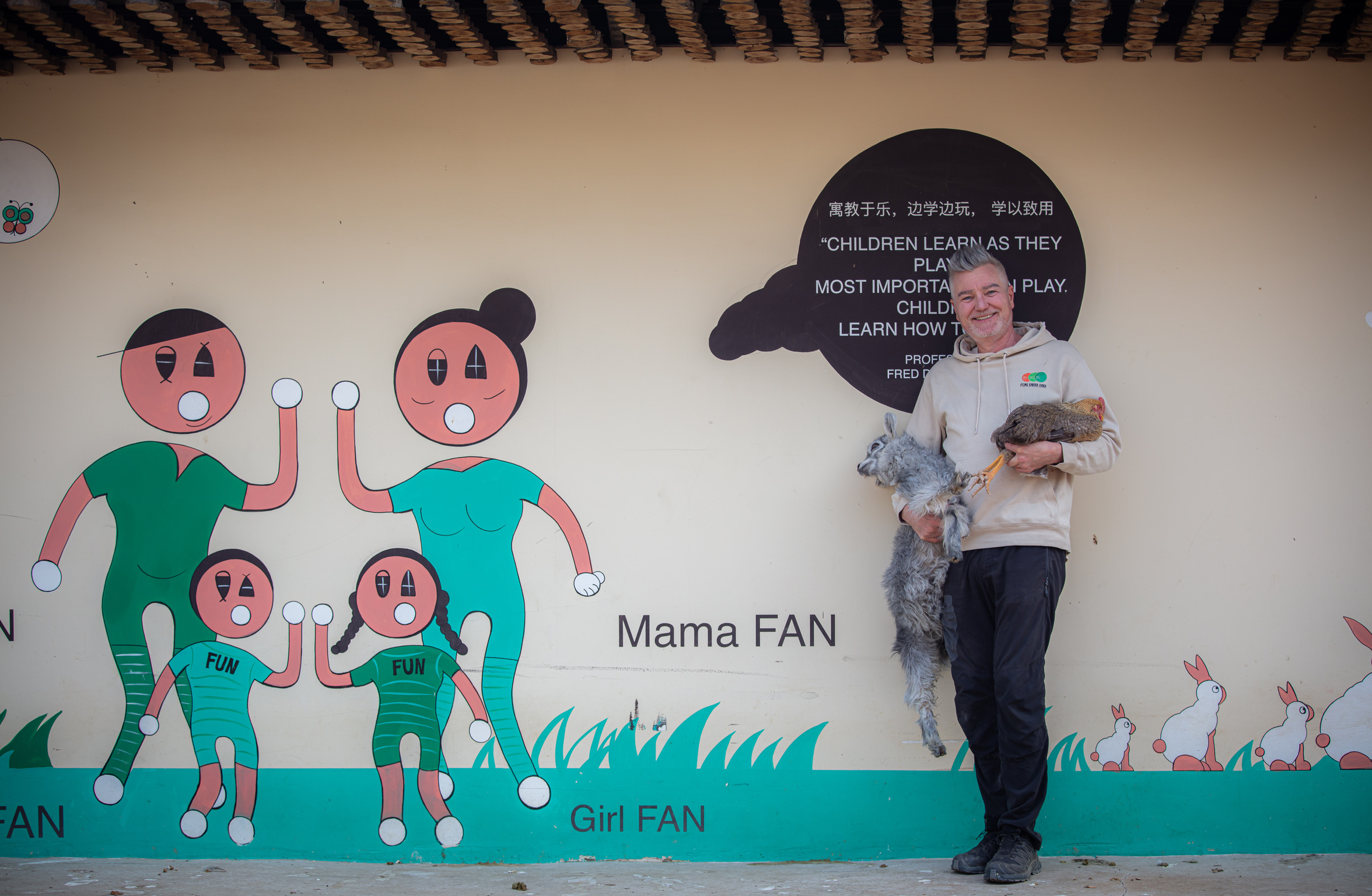
Morten Holm, Danish architect and partner in Archiland Intl. where we, with our 100-people team do sustainable master plan and architecture design. And for the last five years, also now founder and co-CEO of the Green School at FunFarmFam. Below, I will share a bit on what we, our fantastic team of 15 people of educators, free-ranging animal caretakers, tree keepers and farm to table kitchen people are doing.
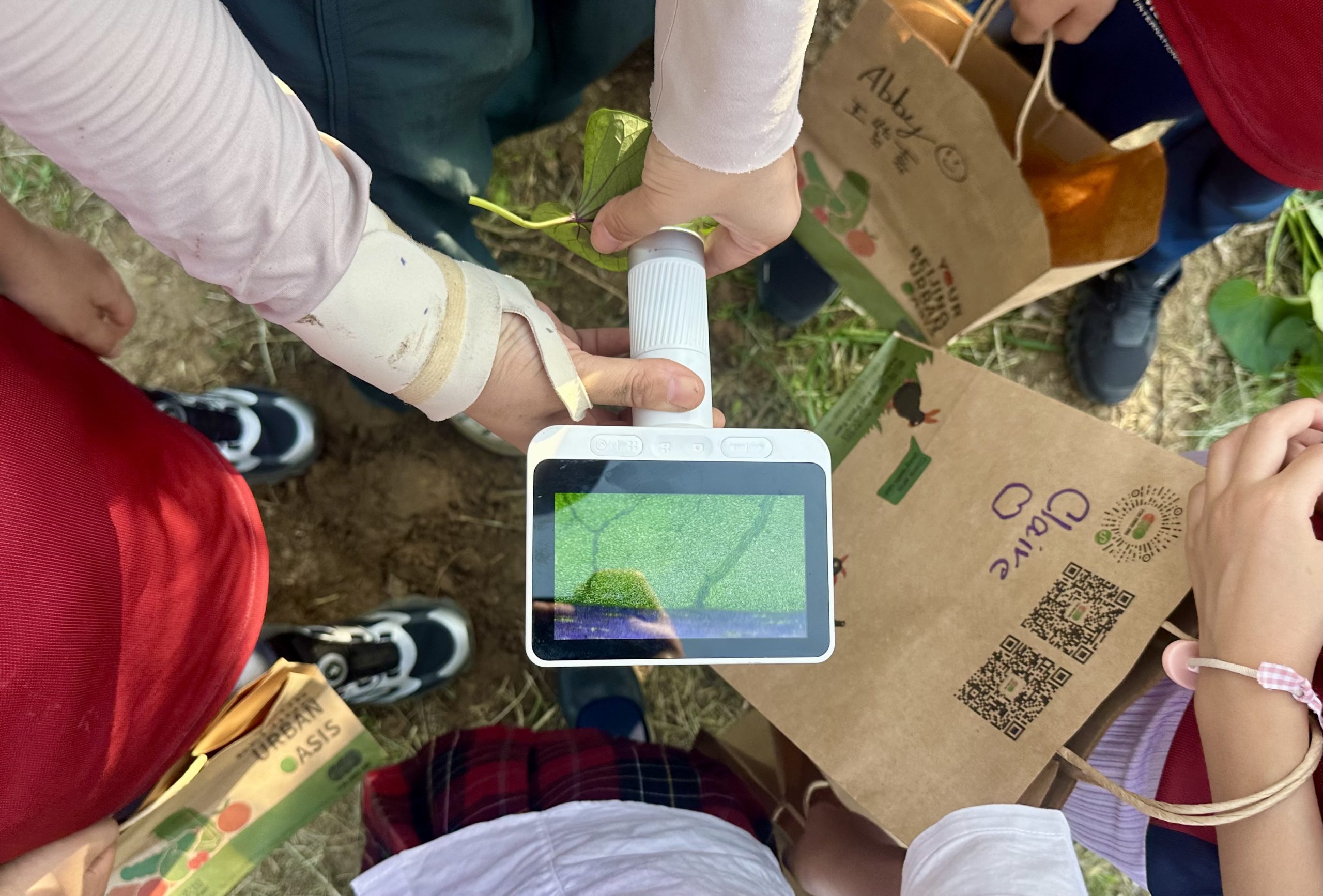
Overall, we call this “Learning Beyond the Classroom.” Yes, and now you may say, “WHAT!?” Well, imagine everything surrounding actually is also a place to do joyful, engaging play-based learning, using real-life environments to deepen our understanding of our lives and the surrounding world.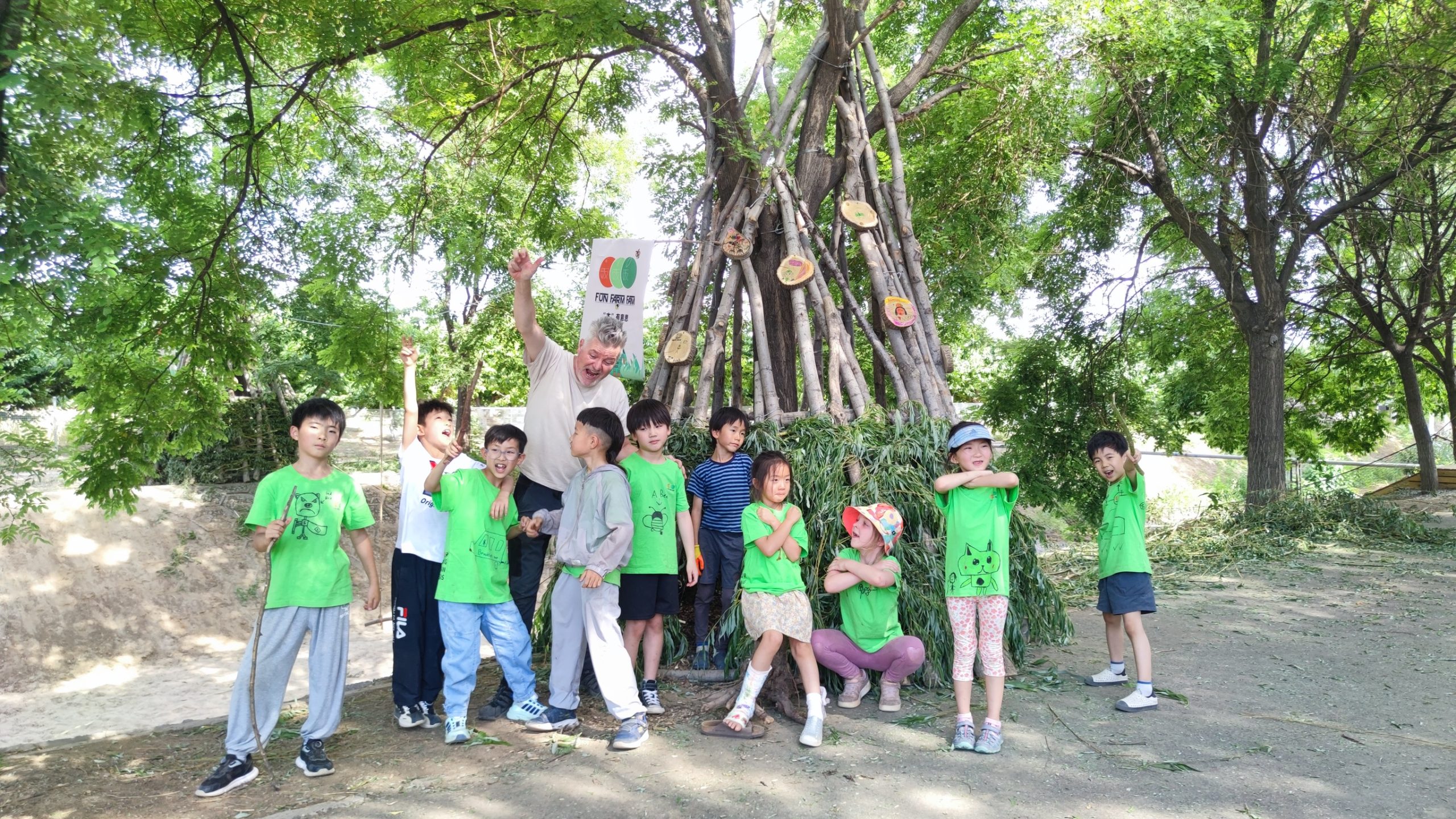 Yes, you may still say, “WHAT!?” Okay, but picture this: This weekend activity we will start in the field, introduce “tuber plant” families and their niche in the eco system, study their strategy for growing, take a few leaves, study their green corn photosynthesis under our portable microscope, dig up the sweet potato “tubers,” bring them back to our indoor classroom, clean them up and twist and test your own recipe to your likings of a cupcake or quiche; while they are baking, we will venture back out and serve the leftovers to the goats or the chickens. That’s Learning Beyond the Classroom.
Could you walk me through a typical day or week in your role? What are your primary responsibilities?
I primarily work as a mentor (guiding and assisting learners) and creator (what and how to do) for the new or special activities. And then everything related to the new design, from the biggest landscape to the smallest poster.
Since our activities relate to real-world learning, seasons, nature etc., every week is basically slightly different.
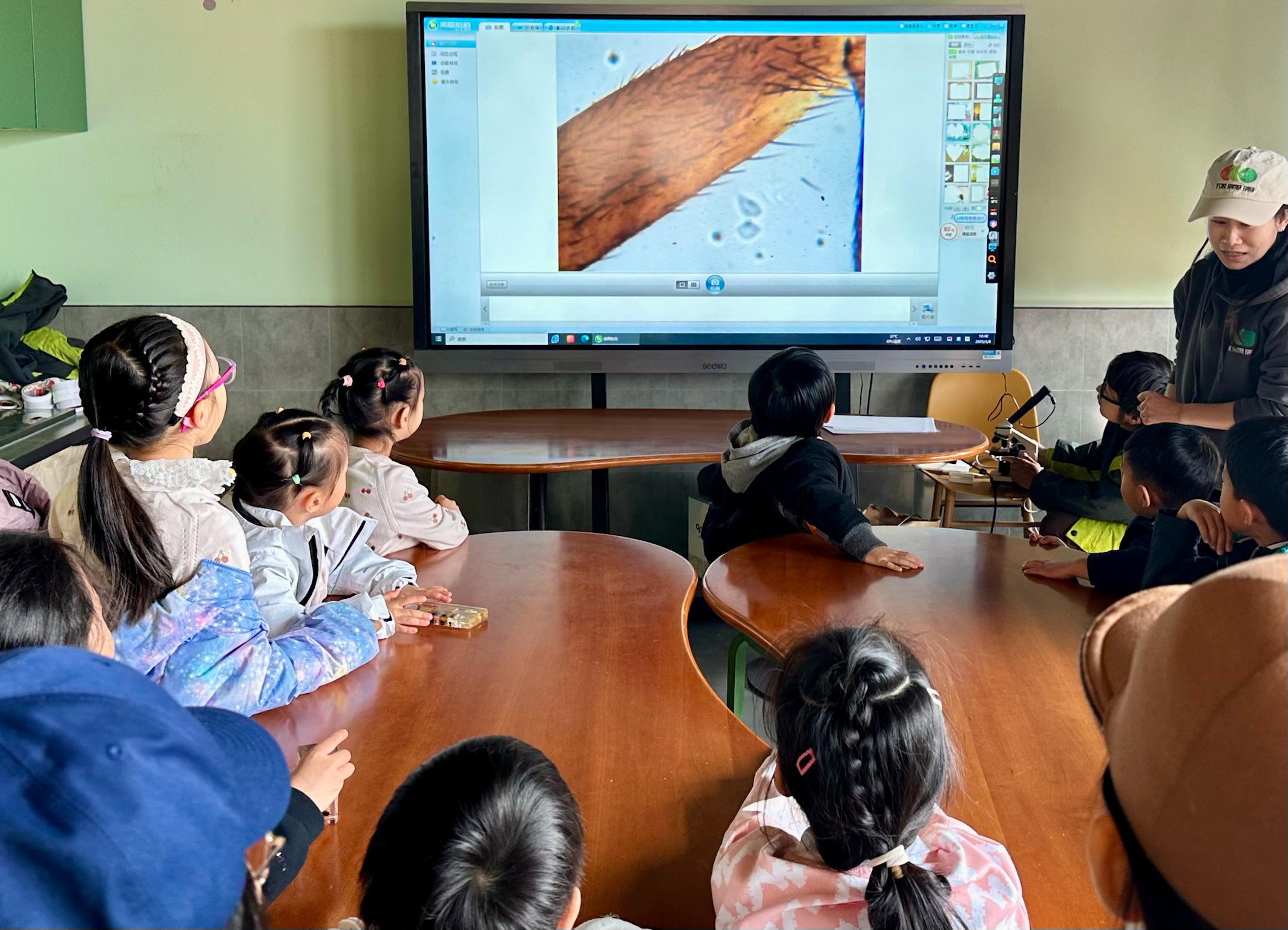 Monday to Tuesday: I (and the team) may be preparing for visiting schools coming and the weekend activities. This means assisting educators on how to run the activity, subjects to share, how to manage the group size, weather, safety issues and so on.
Wednesday to Friday: I would maybe go to a school campus, doing an immersive school garden class together with a group of fantastic high school students, teaching elementary school students and/or visiting schools and running activities at Green School/farm for a whole-day activity like the one mentioned above.
Saturday to Sunday: We will have families or students doing seasonal indoor/outdoor activities. Activities combine great things of interest in our field, nature, farm, using the materials here to do craft, woodwork, design thinking and, of course, food literacy/cooking tasty things!
 What is the most rewarding or fulfilling part of your work? What problems do you get to solve? On the flip side, what are the most significant challenges or stressful aspects of your job?
Greatest Joy – and it by far outweighs challenges:
- Being in close contact with seasons in nature and with the modest hope that our example is inspirational to others.
- The immediate sheer joy of families and students coming here. Instantly rewarding as compared to architecture.
Greatest Challenge:
- Climate change makes growing ecological fruits/vegetables harder as well as running the part of outdoor activities more unpredictable.
- And changing the “comfort convenience” culture of some people who are not from the Nordic countries. The joy of outdoor life is really for ALL seasons!
 How did you get to where you are today? You can talk about your educational route, pivotal moments, unplanned detours and any other decisions that you find important.
I was extremely lucky to come into a family of open-minded parents – that we don’t get to choose, right? This means travelling by a heavily packed car, two siblings plus me in the back seat, low-budget, heavy impractical tent across Europe in all childhood summer holidays, and getting to meet “the world” at an eye level from early on.
Later on when I was 16, I was doing the same but now on my own: backpacking, low-budget train trips, sleeping very rough across Europe for a month before mobiles, SoMe and credit cards, learning by doing on how to get by and meeting new European friends.
And later, I went on to study in the school of architecture for five years, but every summer break I was persistent enough – walking with my portfolio from studio to studio – to get internships at design studios in Denmark, Sweden and Spain. These practical experiences taught me that distant university handbook theory, to me at least, can only bring you to a certain level of knowledge, but truly understanding was far better deployed or internalized when I experienced this in a real-life context.
I guess the most pivotal moment was when I got a message from my university classmate: Come to Japan and work with me – yes, still before the wide internet and mobiles. I said yes, resigned from my first real job at a “hot” architecture studio, went to Tokyo, and shared a humble tatami room with an English-teaching Londoner I had never met before – but I learned immensely from this three-month collaboration.
In other words, a lot of growth – maybe the biggest leaps – came from whenever I was being a bit out of my comfort zone.
Knowing what you know now, if you could go back and give one piece of advice to your teenage self about work and life, what would it be?
1. Follow your own path. Gaining experience looks different to each one of us. Create your own mold, off or on “school.”
It took me quite a long time to build enough confidence to listen to myself rather than others when making choices…
2. Follow your passion and spend time following your curiosity, even if it means being a nerd, deviating from the course or not speeding through the education system.
It took me quite some time to take risks, to explore alternative ways of learning about the world and myself after schoolwork, travels, internships etc.
3. Follow and unfollow(!) your peers. Value the work of collaboration. Embrace difference and sharing exchanges.
It took me quite some time to understand the value of alternating between inspirational leading and also to fall back and be a strong team player.
Images: Morten Holm