
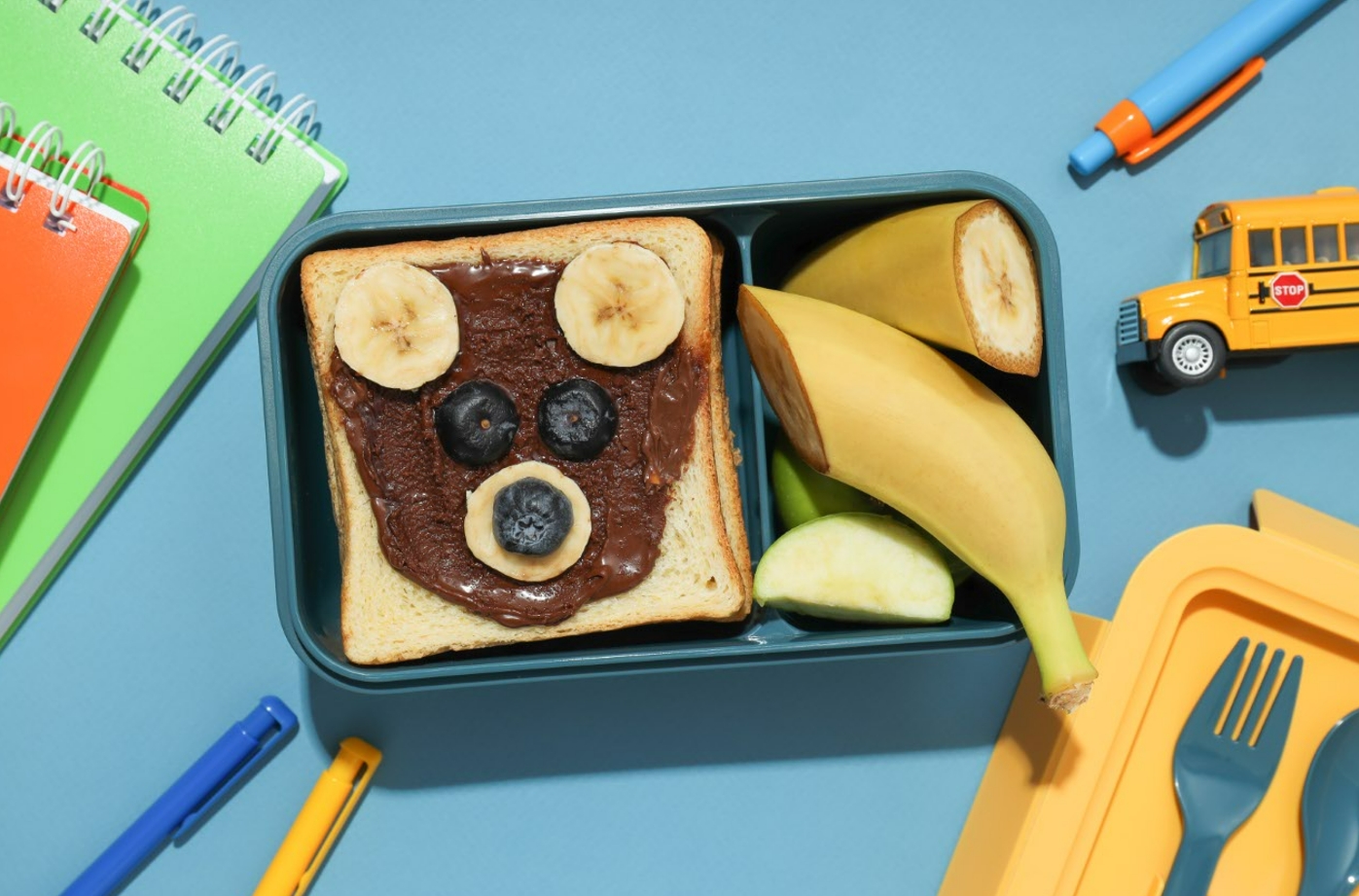
 Why does my kid always forget their lunchbox? (Or PE kit. Or homework. Or … everything.)
Spoiler: It’s not laziness. It’s executive function.
You hand your child their bag, remind them twice, and even walk them to the door. Five minutes later, the lunchbox is still sitting on the counter next to a half-eaten piece of toast. If this sounds familiar, you’re not alone.
Parents tell me this story every week. It’s one of the most frustrating parts of parenting a child with ADHD and one of the easiest to misunderstand.
We tend to think, “They just don’t care.” But most kids do care. Their brains are simply wired differently for remembering, organizing and following through.
The Real Culprit: Executive Function Gaps
ADHD isn’t about trying harder. It’s about how the brain manages information, time and actions.
The same brain systems that control focus and motivation also handle planning, organization and remembering multi-step routines – like getting out the door with shoes, water bottle and homework. Research from the Child Mind Institute and Harvard’s Center on the Developing Child shows that executive function skills such as working memory, organization, and task initiation develop more slowly in ADHD brains. Children with ADHD can lag 1-3 years behind their peers in these areas.
So when your child forgets their PE kit, they aren’t ignoring you. Their brain simply drops information somewhere between “I hear you say it” and “I do it.”
This isn’t disobedience. It’s a developmental gap and, like all gaps, it can be bridged.
 Three ADHD-Friendly Scaffolds That Actually Work
Here are simple, science-backed tools to reduce stress and build your child’s memory and independence.
- Make the Invisible Visible
Verbal reminders vanish fast. Visual cues stick. Try a small checklist by the door with pictures or words: lunch, water bottle, homework and shoes. Let your child tick them off themselves, as this creates ownership and frees you from the reminder loop.
Why it works: Visual prompts engage the part of the brain that stores spatial and visual memory, which is often a strength in ADHD learners.
- Connect Before You Cue
Before giving an instruction, connect first. Get eye contact. Touch their shoulder. Use their name. Smile. ADHD brains filter out background noise, including your voice, when they’re hyperfocused elsewhere.
A quick connection moment helps your words land where they can be remembered.
Why it works: You’re activating emotional regulation before executive control, which is a key step in how the ADHD brain prioritizes attention.
- Build Predictable Anchors
Routine strengthens memory. Pair everyday actions with specific triggers:
“When socks go on → shoes go on.”
“When the light goes off → grab your bag.”
These anchors reduce cognitive load. You’re helping their brain automate daily tasks, one small routine at a time.
Why it works: Predictability lowers anxiety and creates consistency without relying on willpower, something ADHD brains struggle to maintain.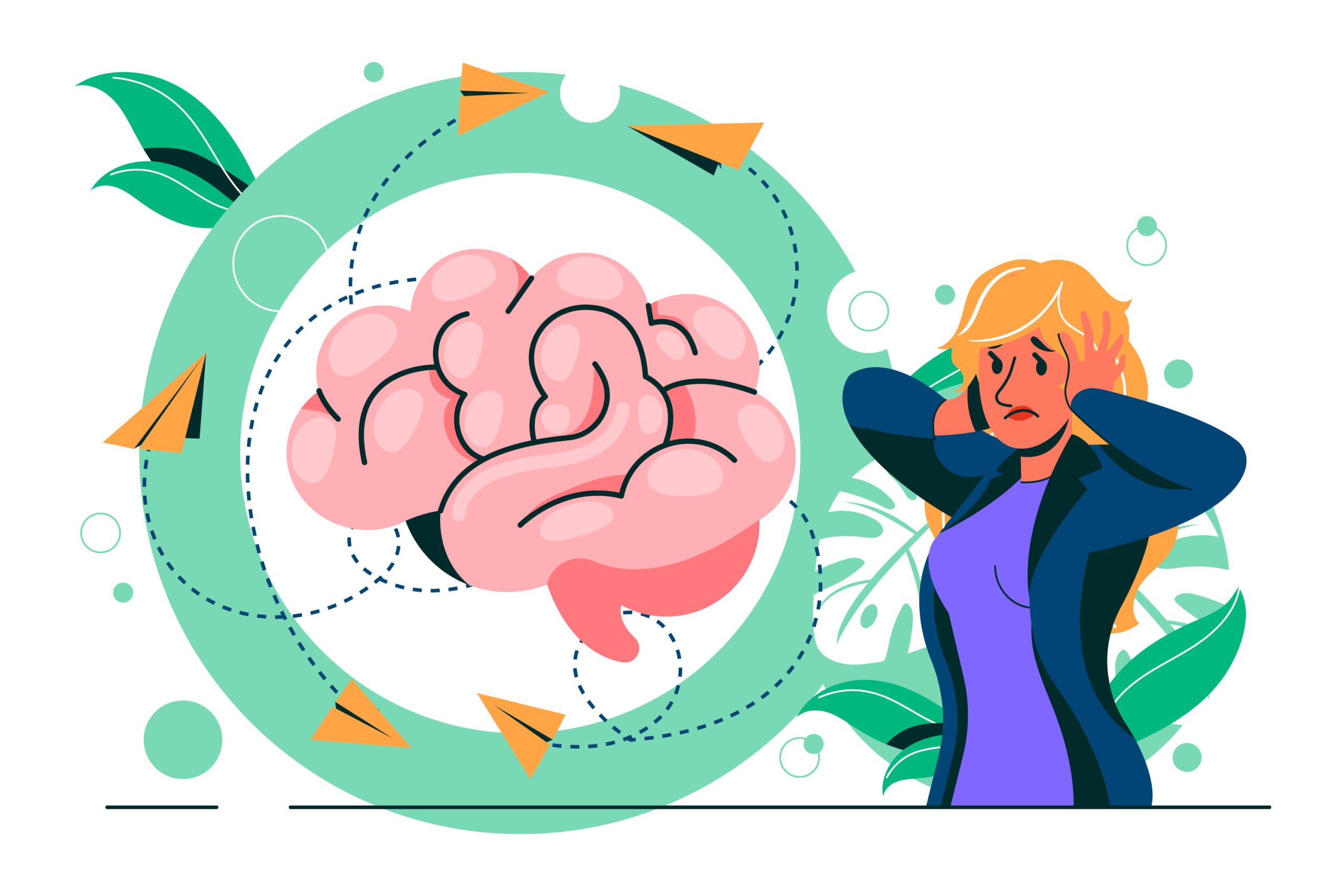 The Reframe That Changes Everything
Forgetfulness isn’t a moral failure. It’s a skill gap. When you switch from “Why can’t you remember?” to “What might help you remember?” you move from frustration to teaching.
Involving your child, young or older, in problem-solving builds their confidence and insight into their own brain.
Each small success strengthens the neural pathways for independence. You’re not just helping them today. You’re building the mental architecture that their adult self will rely on.
Why It Matters
Children with ADHD hear 20,000 corrections or criticisms by the time they turn 18. They’re told to “focus,” “try harder,” and “stop being careless.” Over time, that shapes their self-worth. Many teens internalize those messages as “I’m not capable.” When adults replace criticism with curiosity, “What support does this brain need right now?” we build resilience, not shame. Because shame doesn’t fade with age. It lingers, often showing up later as avoidance, anxiety and burnout in adulthood.
The Takeaway
Next time the lunchbox sits on the counter, pause. That moment isn’t defiance. It’s the gap before a skill develops. With small, consistent scaffolds, your child can build systems that make life smoother.
Parenting ADHD kids isn’t chaos. It’s brain science you haven’t been taught yet.
Images: Freepik