

(Or their bedroom. Or their desk. Or … everything.)
Spoiler: It’s not carelessness. It’s executive function.
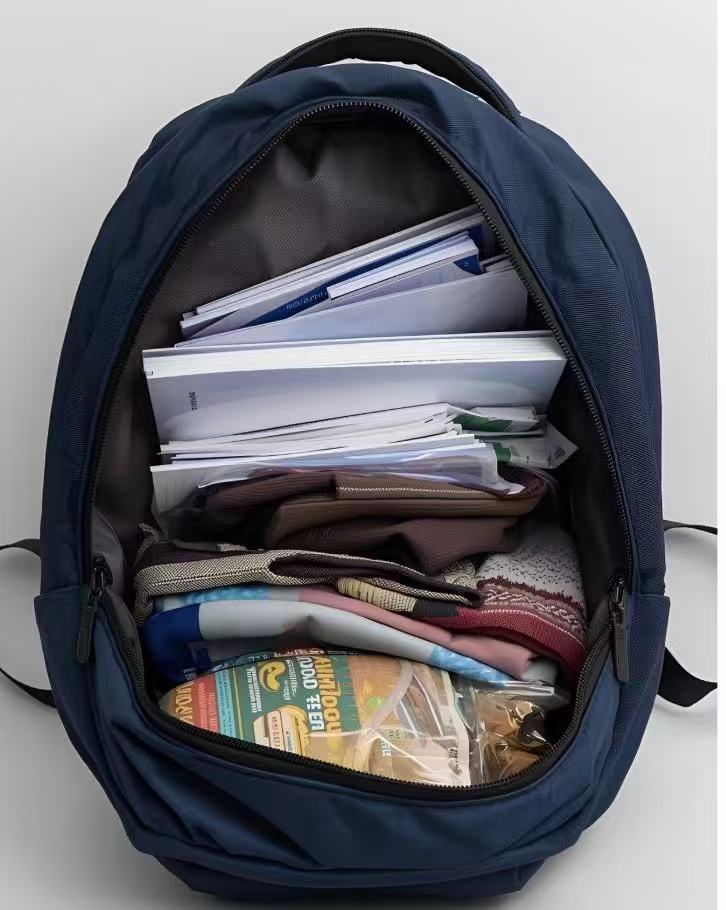
A few years ago, I opened my son’s backpack in August to start the “Back to School” process and found a crushed banana, a jumper I thought we lost, three half-finished worksheets all folded and torn and something that might once have been a sandwich.
If you live with a child who has ADHD or ADHD traits, the Tornado Backpack is not a once-a-semester event. It is a lifestyle. Papers disappear. Jackets vanish. Homework migrates to places no one can explain. Lunchtime containers come home untouched or become the equivalent of mythical creatures, talked about but never seen.
And parents often ask the same exhausted question:
“If they can be organized sometimes, why not all the time?”
It’s not a motivation problem.
It’s not defiance.
It’s not “not caring.”
It’s executive function. And for ADHD kids, those skills don’t develop in a straight line.
The Real Culprit: Planning and Organization Gaps
Executive functions are the brain’s management system. They help us plan ahead, organize materials, sequence steps, monitor time and start tasks independently.
Research from Russell Barkley, the Child Mind Institute, and Harvard’s Center on the Developing Child consistently shows that ADHD brains develop these skills more slowly and less consistently than neurotypical brains.

attention deficit hyperactivity disorder kid illustration
Children with ADHD can be one to three years behind their peers in skills like planning and organization.
This means your child isn’t ignoring you when their backpack looks like an archaeological dig site. Their brain is struggling to:
- Remember multiple steps
- Hold a sequence in working memory
- Manage time
- Regulate emotions while doing it
- Keep track of materials
The missing jumper is a symptom, not a character flaw.
What Parents See vs What’s Really Going On
Parents often describe behaviors like:
- Completed homework left on the table
- Sports kits forgotten despite multiple reminders
- Rooms and desks that “never stay clean”
- Backpacks becoming storage units for everything ever touched
- Meltdowns when asked to tidy or pack
- A child giving up before they even start
On the surface, this looks like carelessness. Underneath, it’s classic executive dysfunction.
ADHD kids don’t struggle with organization because they don’t care. They struggle because planning and organizing require mental skills that are simply harder for them to access consistently.
Why Some Days Go Smoothly and Other Days Don’t
This is one of the most confusing parts for parents.
“My child packed their bag independently yesterday. Today they can’t even find their shoes.”
It makes sense once you know this:
ADHD executive function is state-dependent, not ability-dependent.
Kids do better when:
- They have slept well.
- They feel calm.
- The environment is quiet.
- The task feels new or interesting.
- Someone is supporting them.
They do worse when:
- They’re stressed.
- They feel rushed.
- They’re overwhelmed.
- Steps are unclear.
- They’re already dysregulated.
Their ability doesn’t change on a day-to-day basis. The environment does.
A Real Story From a Real Parent
The child even suggested putting each day’s outfit into a separate large Ziploc bag so they would remember to change clothes. It was clever, creative and exactly the kind of out-of-the-box strategy ADHD kids often use to stay organized.
Which is why the mother was shocked when her child returned five days later with a backpack that looked almost untouched. All the Ziploc bags were still neatly zipped. All the clothes were still folded. The entire system had gone unused. The child had simply worn the same outfit every day.
It wasn’t laziness, and it wasn’t disinterest.
It was executive dysfunction in action.
Creating the plan was doable because planning with support is an easier executive demand.
Following the plan independently required:
- Remembering the system existed
- Recalling when to use it
- Shifting attention at the right moment
- Sequencing steps each morning
- Managing the emotional and sensory load of the unfamiliar environment
- Prioritizing long-term comfort over short-term ease
That is a lot of executive function for a child whose brain struggles most with sequencing, initiation and time awareness.
The system wasn’t the problem. The follow-through was the challenge.
This is the heart of ADHD organization: Kids often know what to do and can help design excellent structures, but the moment-to-moment execution breaks down when working memory collapses or emotional demand rises.
Which is why even the best organisational systems need cuing, routine, co-regulation and external supports to be reliably used.
When you see this through the lens of brain development rather than behavior, it makes complete sense, and it completely changes how parents support their children next time.
Four ADHD-Friendly Scaffolds That Actually Help
Just like the lunchbox article, here are practical tools that parents can implement immediately.
1. Make the Invisible Visible
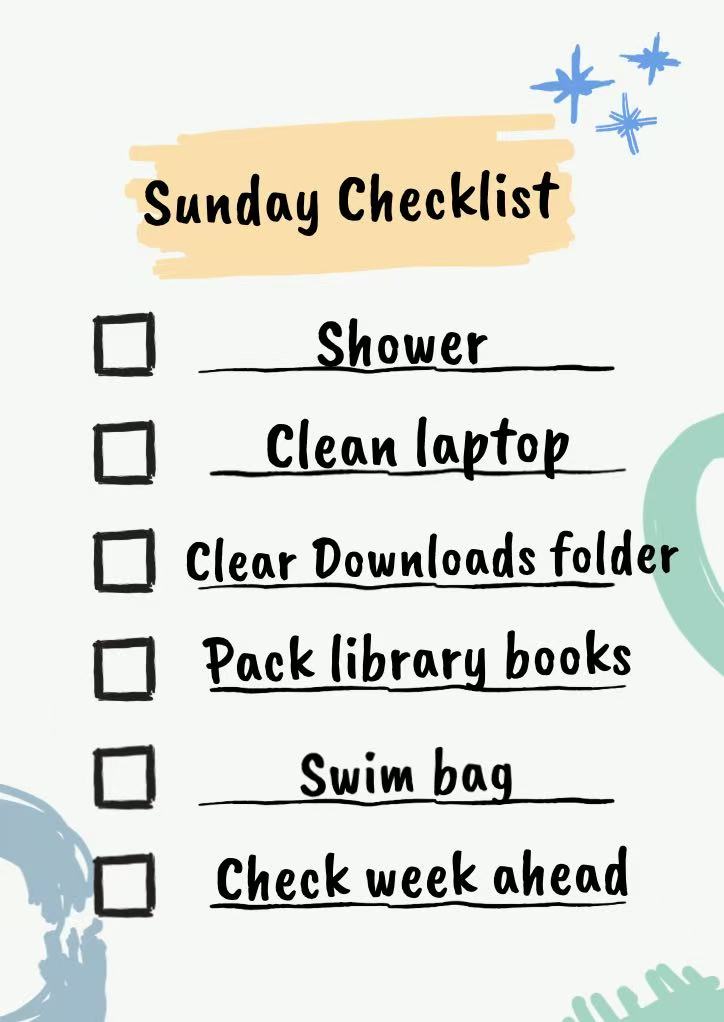 Use visual supports, not verbal reminders:
- Backpack checklist
- Evening or morning routine chart
- A “launch pad” space where everything goes
Why it works: Visual systems reduce reliance on working memory and create predictability.
2. Reduce the Steps Until They Are Achievable
“Clean your room” is too vague.
Try:
• Clothes in laundry basket
• Rubbish in bin
• Books on shelf
Why it works: Breaking tasks into single concrete actions supports sequencing and reduces overwhelm.
3. Pair Planning With Connection
Kids often cannot plan alone, but they can plan with you.
Try a weekly ritual:
• Sunday backpack reset
• Friday desk tidy
• Nightly three-minute check for tomorrow
Why it works: Co-regulation activates executive function and helps children internalize routines over time.
4. Create Consistent Retrieval Cues
Always put the same items in the same places.
Always pack in the same order.
Always check the same list before leaving.
Why it works: Predictability reduces cognitive load, prevents decision fatigue, and increases automation.
The Reframe That Changes Everything
Disorganization is not disrespect.
Forgotten items are not laziness.
Messy backpacks are not moral failings.
They are signs of a developing brain that needs support, structure and repetition to learn the skills that come naturally to others.
When parents shift from “Why can’t you stay organized?” to “What system would help you manage this?” children feel empowered instead of defeated. And they often can create solutions that they are willing and motivated to try.
Small, consistent supports change everything. Not only do they reduce stress at home, they actively build the neural pathways your child will rely on throughout adolescence and into adulthood.
Why This Matters
Children with ADHD hear far more negative feedback than their peers. They get told they’re messy, careless, chaotic and unmotivated. Over time, these messages shape how they see themselves.
But when adults replace blame with understanding, kids stop internalizing shame and start developing the confidence to take ownership of their own systems.
Because the truth is simple: When a child finally has tools that match their brain, they thrive.
Final Takeaway
Next time you unzip the backpack and find a week-old snack and a small avalanche of worksheets, pause.
You’re not looking at carelessness.
You’re looking at a skill that is still developing and needs support.
With the right scaffolds, your child can build planning and organization habits that make life smoother for everyone.
Parenting ADHD kids isn’t chaos. It’s brain science you haven’t been taught yet.
Images: Marta Smith, Freepik