Are you as curious about who’s shaping the young minds of our kids as we are? We’re sitting down with teachers and staff from Beijing’s vibrant international schools to learn more about their unique stories, experiences, and perspectives. From the challenges of adapting to a new culture to the joys of building connections across borders, these conversations will shine a light on those who make up our education community. Whether you’re part of an international school yourself or simply curious about life in Beijing’s globalized education hubs, join us as we get to know the people behind the classrooms, hallways, and campuses that shape this extraordinary world.
This week’s #BeijingEducators features Ms. Kelli Housden, the newly appointed Grade 1 Homeroom Teacher at AISB-Hope International.
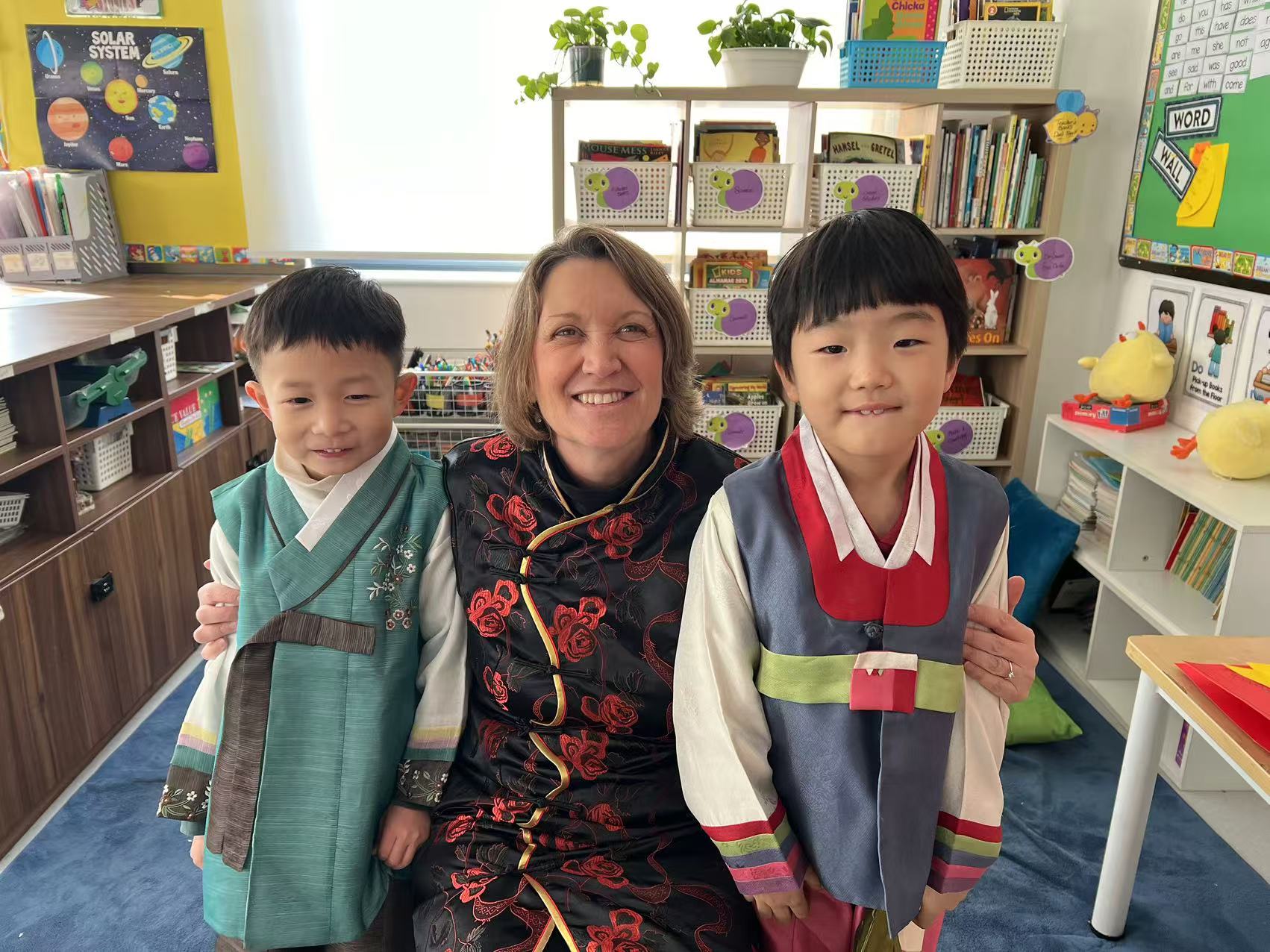 My name is Kelli Housden. I was born in the United States and grew up near Boston, Massachusetts. I moved to California after high school to attend college, where I met my husband. I married my best friend, Michael. We have an amazing son named Aaron. In California, I began working part-time at a large company called Gallo Winery, and eventually, it turned into full-time. I worked in various departments, from Point of Sale to Marketing. I didn’t have any idea I would become a teacher back then. While living in Northern California, a good friend invited me to a church called Big Valley Grace. It was there that everything changed for me, and I learned the value of teaching and serving others. I was asked to substitute for a third-grade Sunday School class. I was initially terrified, but I was hooked after one class. I went back to school and finished my degree in Elementary Teaching. I have been teaching for well over a decade. Later, a friend introduced me to the wonderful schools in China, and that’s how my family ended up in Beijing.
 Let’s get to know you a bit.
What are your hobbies?
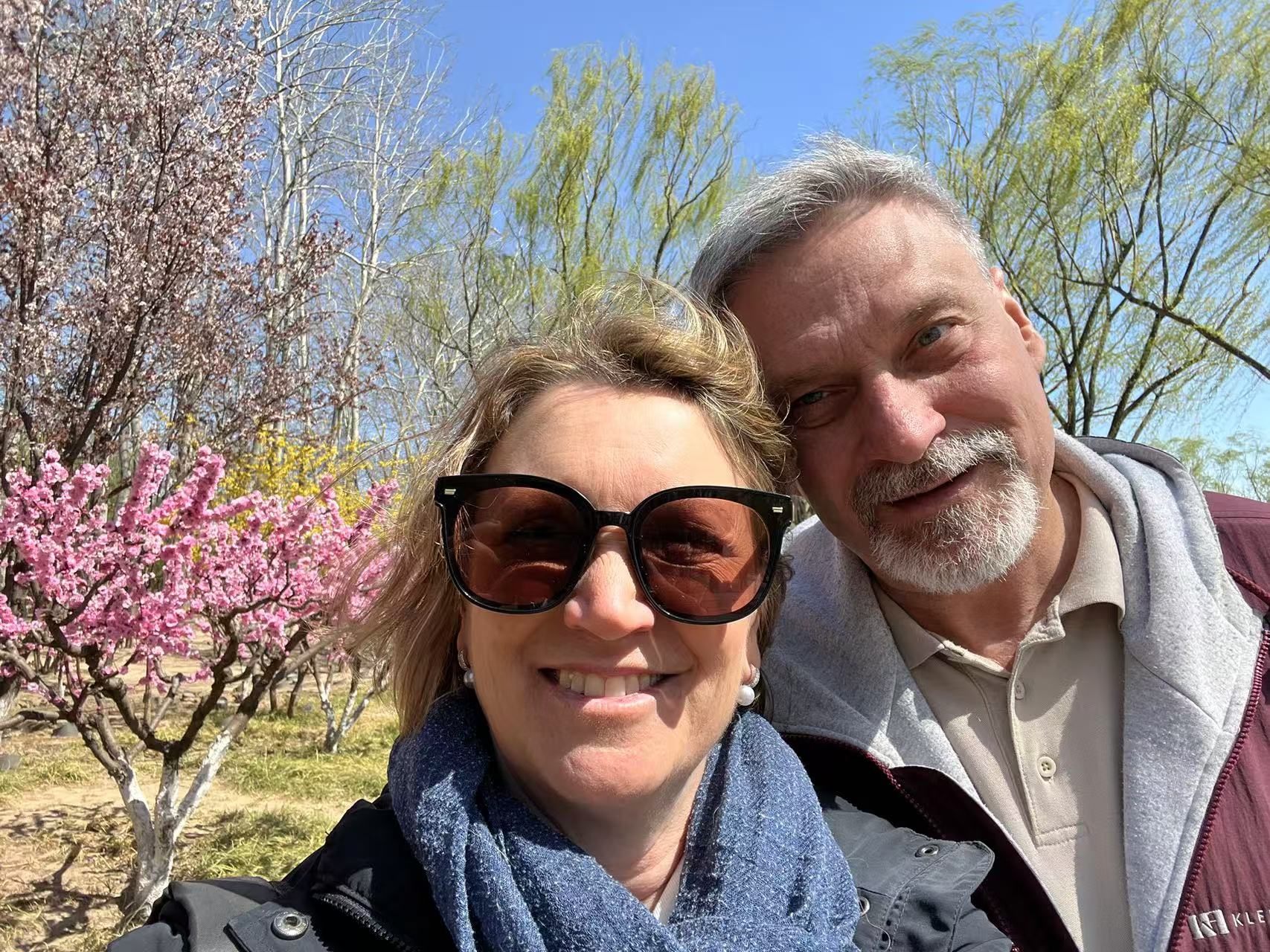
My hobbies are exploring nature, photography, writing, and painting. My husband and I get out every weekend, weather permitting, to walk. We love to explore new parks or gardens and often take photos, especially of the flowers and trees. I also enjoy writing and illustrating picture books for children. I am currently illustrating a picture book called Come Quick, Squirrel is Sick. It teaches children about the value of community and caring for others.
What do you love most about teaching first graders?
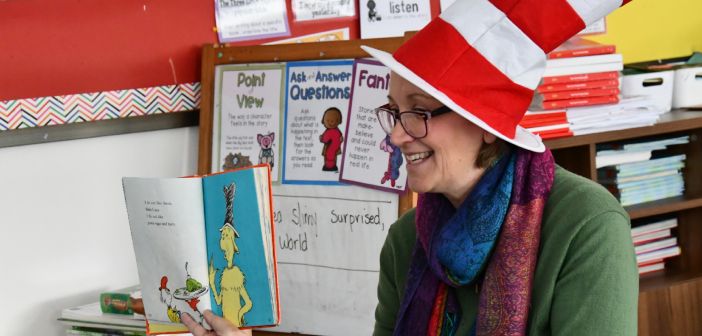
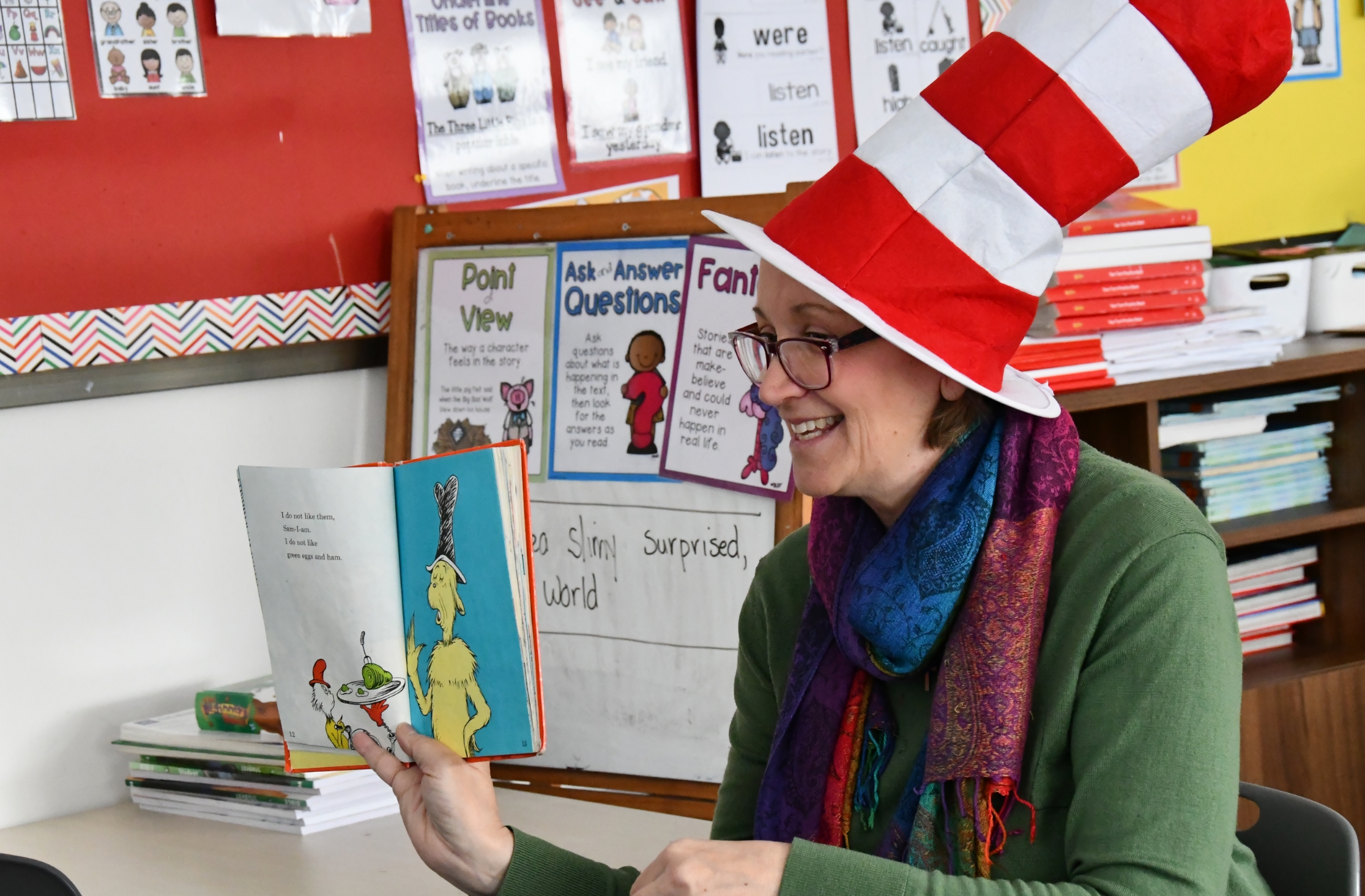
I love teaching young children because they are curious, creative, and eager to learn. I especially love teaching them how to read by teaching phonics and sight words. It is so exciting watching them grow into amazing readers. I love that my first-graders enjoy read-aloud picture books, art, and music. In the class, we read fun stories each week. Recently, we had an event called Dr. Seuss Week, and we read a new book every day and dressed up like the characters in the book. I used an app called Novel Effect to bring in sound effects while reading Dr. Seuss’s books, and the students loved it! First graders also love movement games, so we play them often. Students play games and learn phonics, sight words, and vocabulary while having fun.
 Let’s talk about your teaching.
What’s an example of a fun first-grade lesson?
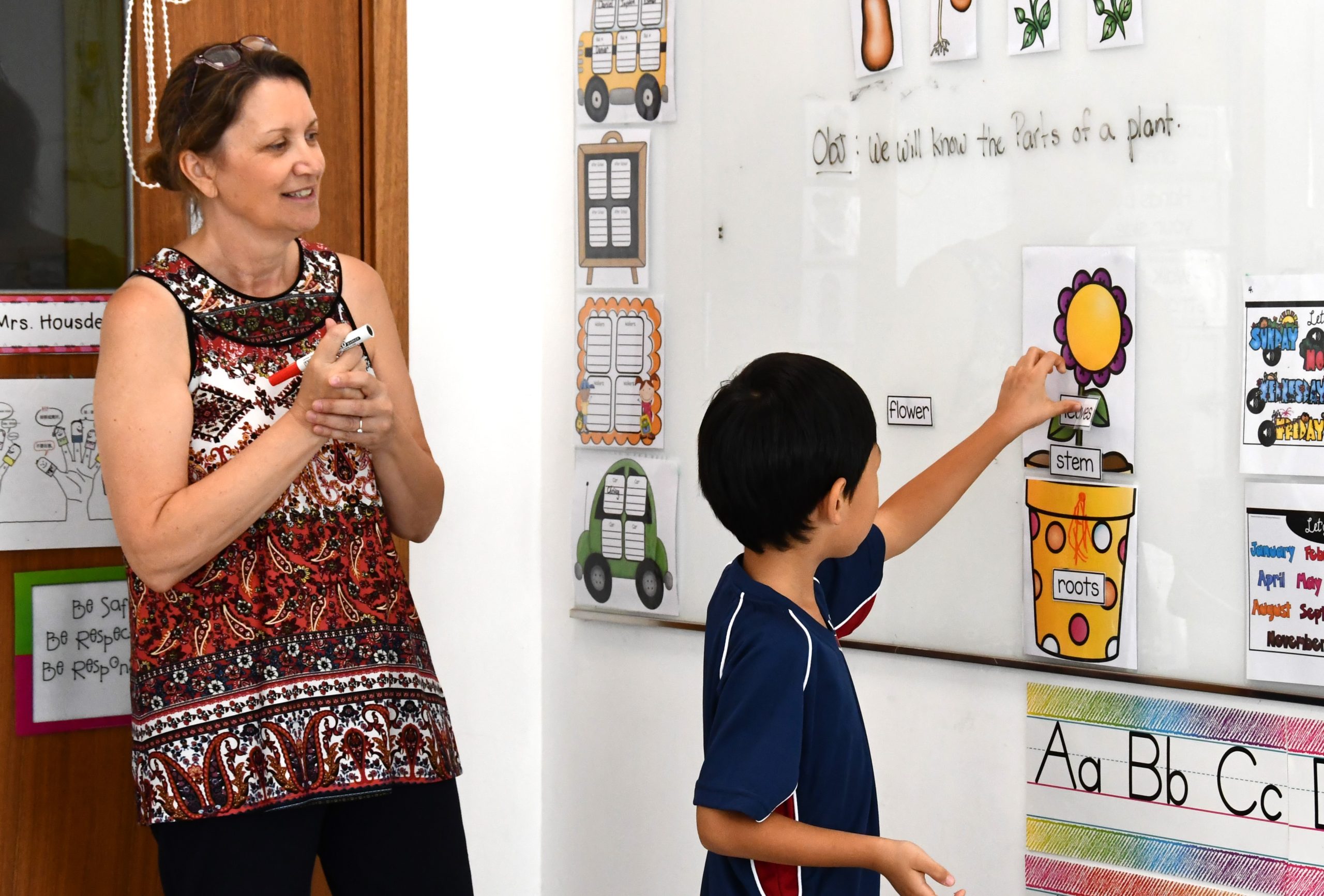
This week, we will have an integrated lesson combining reading, writing, and science. We will learn about different kinds of birds and create a bird’s nest using various natural materials such as twigs, grass, leaves, and mud. First Graders love to create with their hands. To teach this lesson, I will read fiction and nonfiction books. I may use an educational video clip or PowerPoint presentation. I will use a writing anchor chart and graphic organizers. We will also create an illustration of the bird and its habitat. The students will love it!
 What methods do you use to assess student progress?
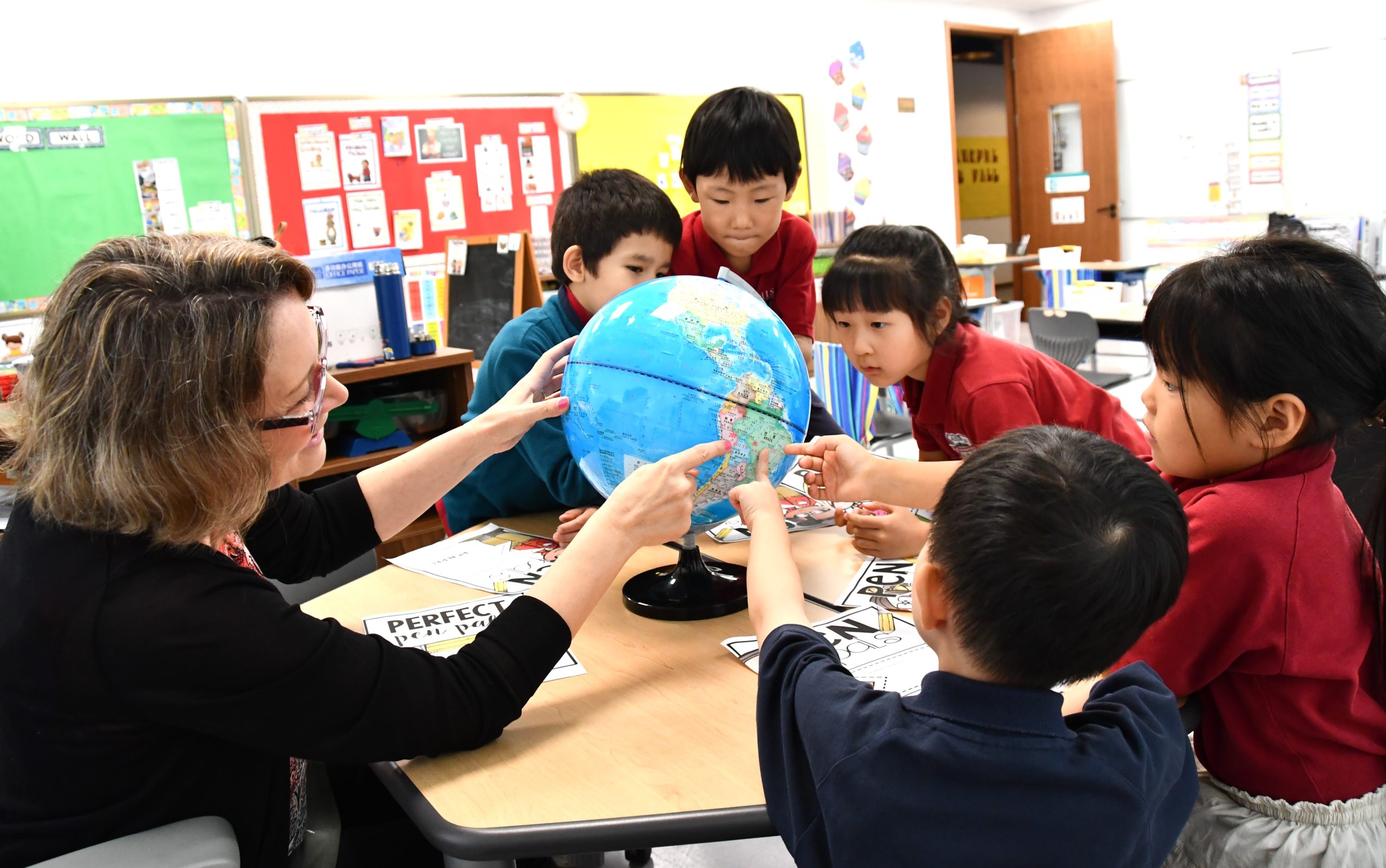
Assessments start with a list of first-grade learning standards that the school provided when I began teaching this past year. We use a Curriculum Trak that lists our standards, assessments, and lesson plans for the year. We also include a syllabus for the parents that bullet points what students will learn each quarter. Students are tested with formative assessments throughout a unit. At the end of a unit, students are given summative assessments. First-grader formative assessments might include Observations, Thumbs Up/Thumbs down, True/False, Movement quizzes, Short Skits, Whiteboards, A, B, C, and D colored cards, or Scoot Around Room. Summative Assessments will involve graded tests, final projects, posters, or presentations. Students at AISB are also assessed three times a year with the computer-adaptive assessment called the NWEA MAP test, which measures a student’s academic growth and proficiency over time. As for me, I then review the student MAP reports and use this data to teach, reteach, modify tests, or differentiate spelling, vocabulary, or reading levels in my classroom.
 How do you provide feedback to the parents?
Feedback is provided to parents in many ways, from a weekly academic newsletter given every Friday to daily communication journals and parent-teacher conferences held twice a year.
 We’d love to hear your thoughts on these…
What do you believe is the most important skill or value that young children should develop in their early school years?
The most important skill children can learn is to respect others. When I was a child, we respected our teachers and parents. We were taught The Golden Rule, which means treating others how you want to be treated.
In our first-grade classroom, students learn to be respectful by learning and applying these rules. First, raise your hand to speak; second, stay in your seat (unless you ask permission); third, follow directions quickly; fourth, use a quiet voice inside; fifth, do your best work; and last, be helpful and kind to one another. These rules help children respect the teacher and respect their classmates. When there is respect, students can learn.
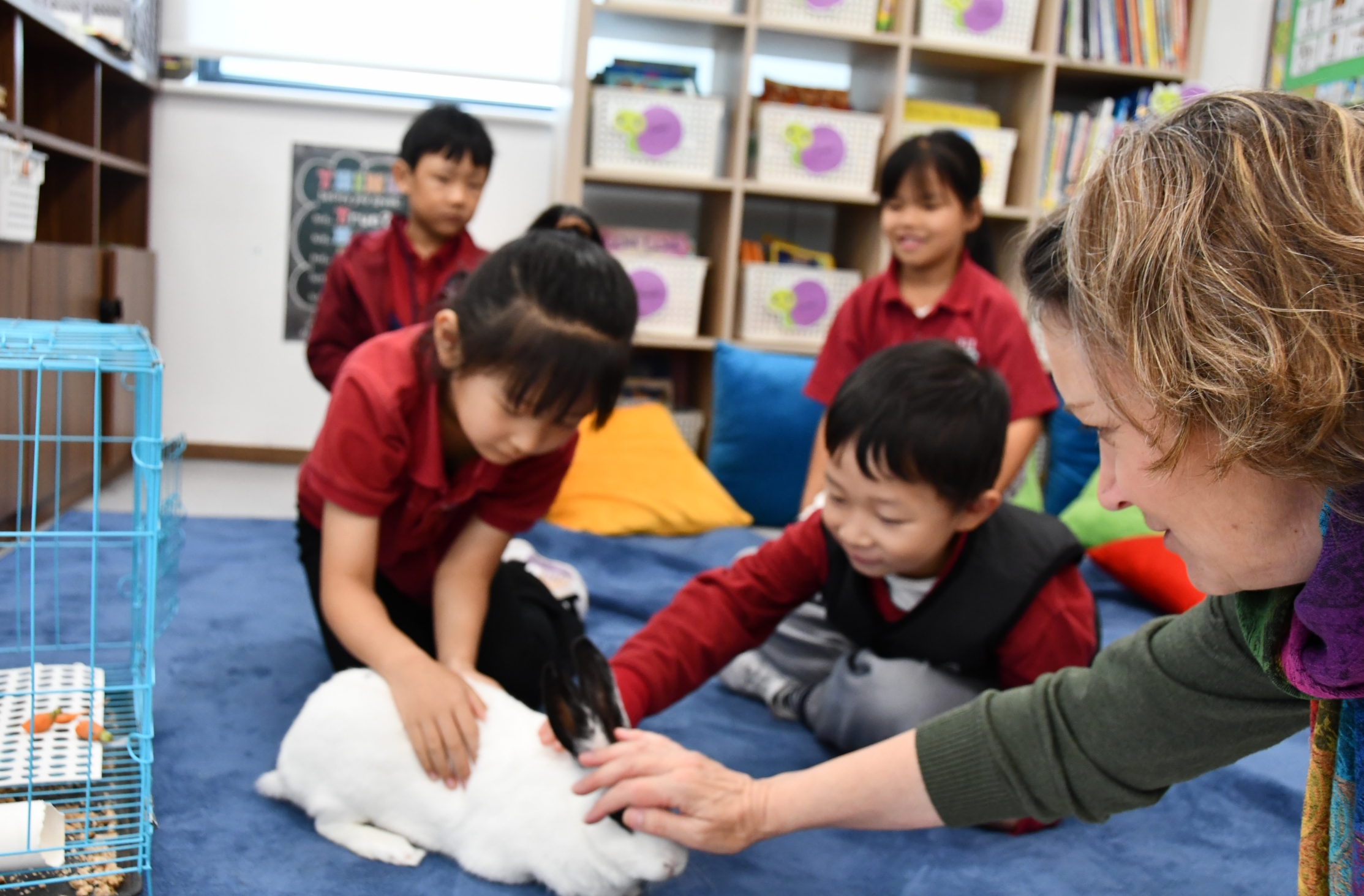 How do you handle conflicts or behavior issues?
Behavior issues and conflicts do happen in first grade. Like adults, students can be tired, stressed, hungry, or grumpy. Students often act out and struggle with classroom relationships when this happens. First, I check how students feel in the morning meeting. I will ask students to tell me how they think by giving me a thumbs up to signify they are great, a thumb sideways means they may feel so-so, or a thumbs down which tells me they are having a bad day. Next, we will have a class discussion so the students can share their feelings. If students have a conflict, I ask them to share using the “I statements.” For example, if one student copied another and it bothered them, I might ask that student to share the “I statement” with the other student. That student might tell the other student, “I feel frustrated when you copy me. Can you please stop?” The other student will then say yes. I then asked the first student if they could forgive them. I hope to bring reconciliation to the friendship.
In my classroom, we also have a behavior clip chart with clothespins with each student’s name written on it. Students begin at Ready to Learn. Each time a student behaves well, for example, and follows directions quickly and quietly, I will move the clip up from Ready to Learn to A Good Choice, eventually leading to a purple star and the top word Awesome (purple color). Students then record a purple star on a paper behavior chart. This paper behavior monthly chart goes home each night for parents to view.
Find out more about AISB-Hope International at one of their upcoming Open House events.

Images: AISB-Hope International