

“There is no way to talk about the Race problem and tell the truth, and make logical suggestions based on the truth, without White People being offended, and without Non-White people being embarrassed.” – Neely Fuller Jr.
I wasn’t sure how to begin this piece on racism in international education, bilingual schools, English training centers, and the likes here in China. But when asked to share my thoughts, I began reflecting on what I’ve witnessed over the past several years.
Let me first define racism so that my audience clearly understands the context and weight of the observations I’m about to share. I’m using Neely Fuller Jr.’s definition, which encapsulates a systemic, global form of racism. He defines racism as:
“One or more white people using deceit, direct violence, or the threat of violence to promote falsehood, non-justice, and/or incorrectness against non-white people on the basis of color, in order to satisfy white people, in every area of people activity – including economics, education, entertainment, labor, law, politics, religion, sex and war.”
This form of racism knows no borders. Its influence travels through people, media, and information, shaping how individuals see themselves and others. It conditions behavior, spreads confusion, and controls perception, and China is no exception.
So, based on that definition, I do not believe the Chinese are racist in the same way. However, what I have observed is that some have adopted the qualities and behaviors modeled by those who historically used racism as a tool of power and control. These learned behaviors – favoring whiteness, excluding others based on skin tone, or internalizing racial hierarchies – cause harm to the greater human community, even if they are not rooted in the same structure of global dominance.
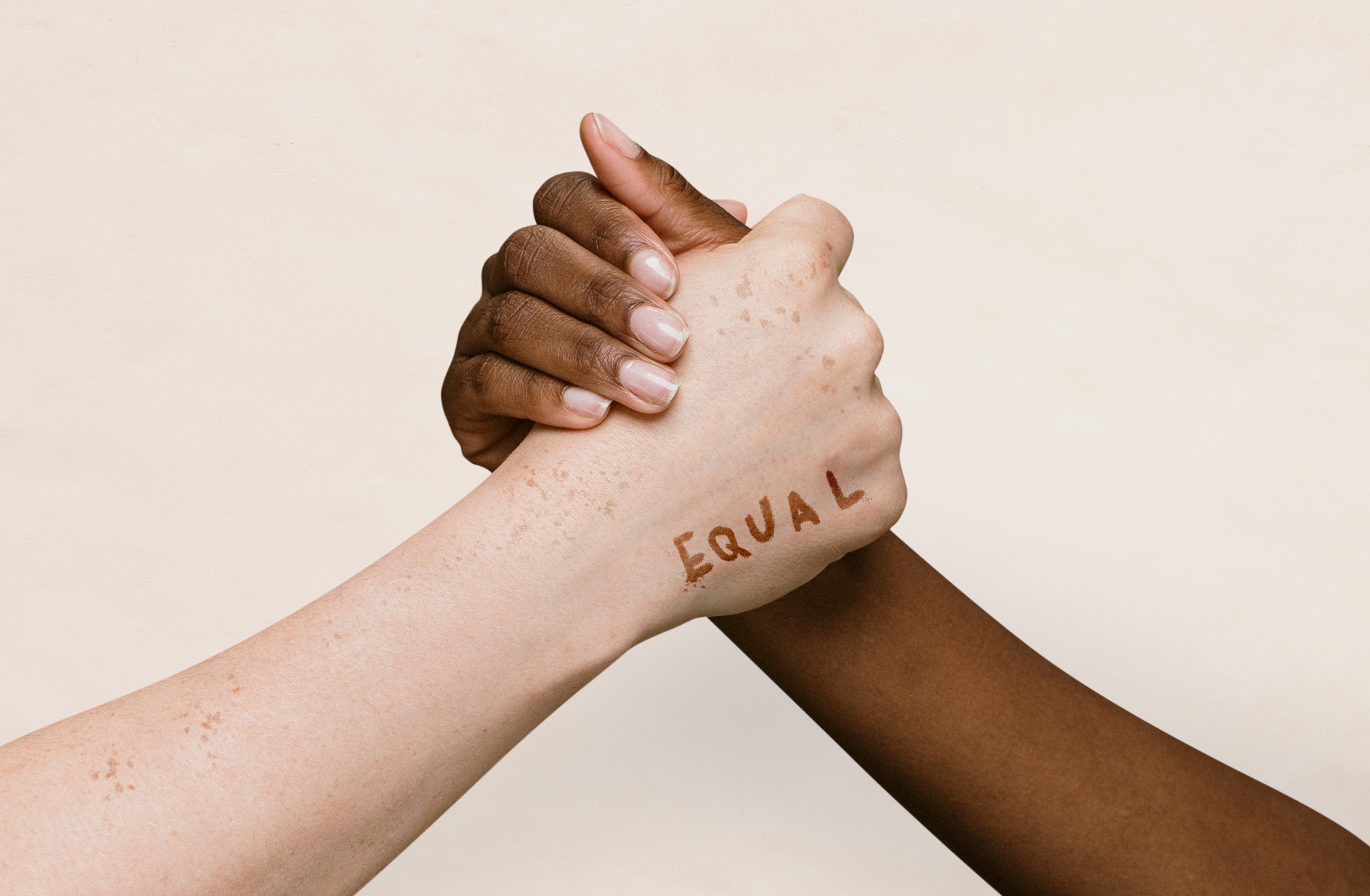 I was shocked the first time I saw job postings that openly stated “White female preferred” or “Only applicants from the U.S., Canada, or U.K. – white applicants only.” These weren’t isolated cases. They circulate frequently in WeChat job groups and read like echoes from 1960s America.
Why do we see these job postings?
Many Chinese parents, often unknowingly, have internalized the idea that “white is right.” That whiteness equals excellence, refinement, and in the case of English education, authenticity. Schools, in turn, feel the pressure to market themselves with this illusion. They staff white foreigners to meet parent expectations, filling brochures, websites, and social media posts with light-colored faces.
But what gets lost in this process? Qualified non-white candidates.
I know of a highly qualified Black educator with years of experience, teaching and leadership certifications, and a record of success in international schools. When a leadership role opened at his school, he wasn’t even granted an interview. Instead, the job was given to a white female with less experience, no leadership background, and no completed certifications at the time.
 This wasn’t an exception – it’s part of a pattern.
Now, I’m not saying that all light-skinned educators are unqualified. The point I’m making is that often, qualified Black educators are passed up based on skin color. How often do we see Black professionals in leadership roles in international schools in China? Rarely. So we must ask: Are leadership roles factoring in skin color rather than relying solely on competence? If so, then parents are being sold an image.
This isn’t just about hiring preferences. It’s about systemic exclusion and a lack of representation. When leadership remains overwhelmingly white or Chinese, it reinforces a limited set of perspectives. In some cases, decisions may be shaped less by qualifications and more by racial comfort zones.
If you’ve read my previous work, you know I don’t just talk problems – I propose solutions. Racism, like all social issues, requires collective action from school leaders, teachers, parents, and the community.

Here are a few steps we can take:
- Host Cultural Awareness and Anti-Bias Workshops
Help staff, school leaders, and parents understand how racial bias – both conscious and unconscious – shows up in hiring, evaluation, and daily interactions. Challenge the myth that English ability is tied to skin color. - Audit Hiring Practices for Equity
Schools should regularly review their recruitment and promotion processes. Are hiring decisions made based on credentials and performance – or on optics and assumptions? Diverse hiring panels and anonymized CV reviews can help reduce bias. - Promote Diverse Role Models in Marketing and Public Events
Representation matters. Schools must ensure that qualified staff of all racial backgrounds are visible in promotional materials, on stage at events, and in leadership positions. This normalizes diversity and helps shift parent perceptions. - Empower BIPOC Educators With Clear Growth Pathways
Establish mentorship programs, leadership training, and internal pipelines that help talented non-white educators move into leadership roles. Sponsorship, not just mentorship, is key. - Create Space for Uncomfortable but Necessary Conversations
School leaders should facilitate open dialogue on race, equity, and inclusion. These conversations won’t always be easy – but they are essential to building a truly inclusive school culture.
Racism in education will not dissolve through silence or neutrality. It will take courage to name it, address it and actively dismantle its influence.
If schools truly believe in global citizenship, diversity and inclusion, they must first look inward and confront the racial inequities within their own walls.
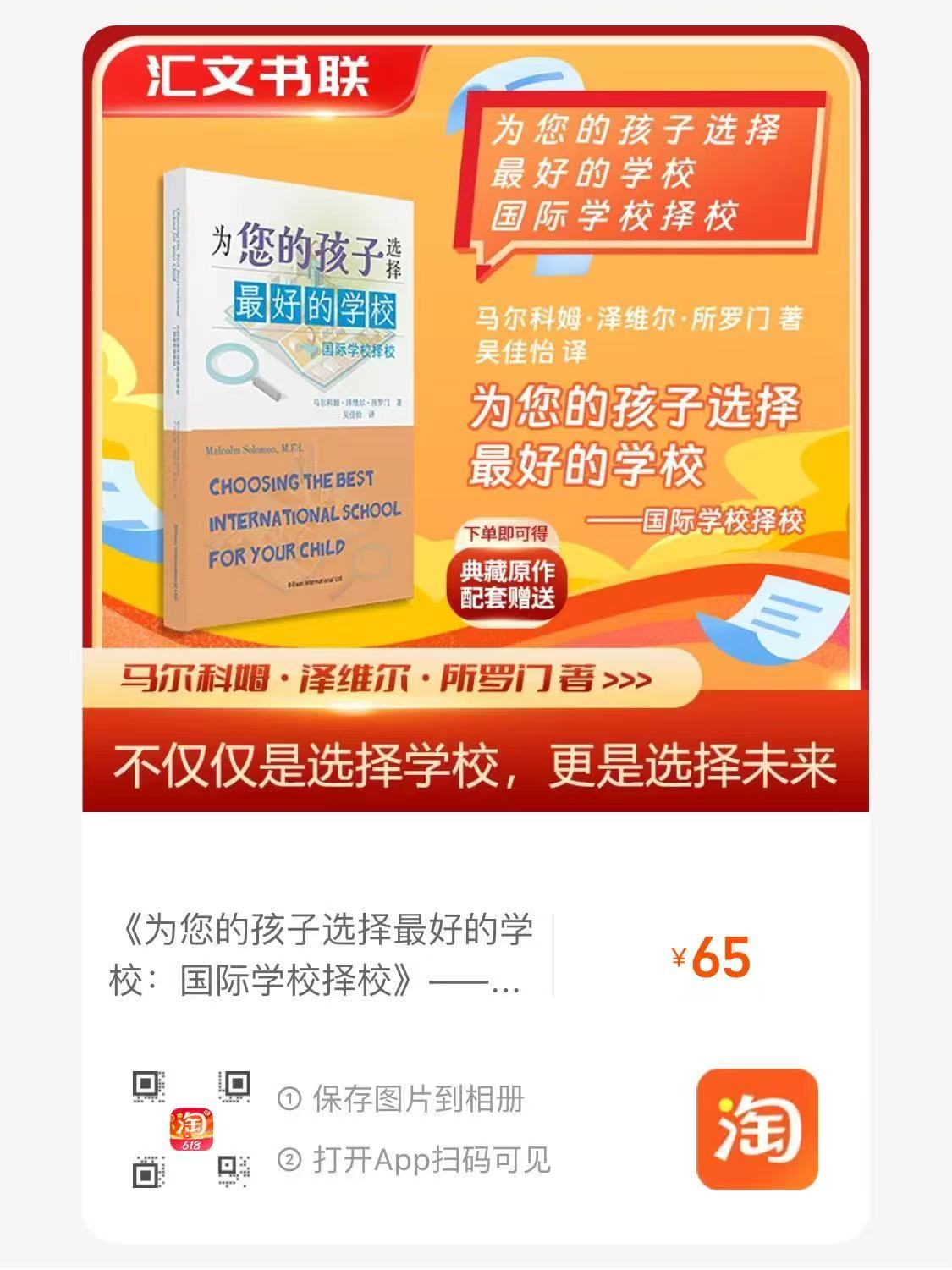
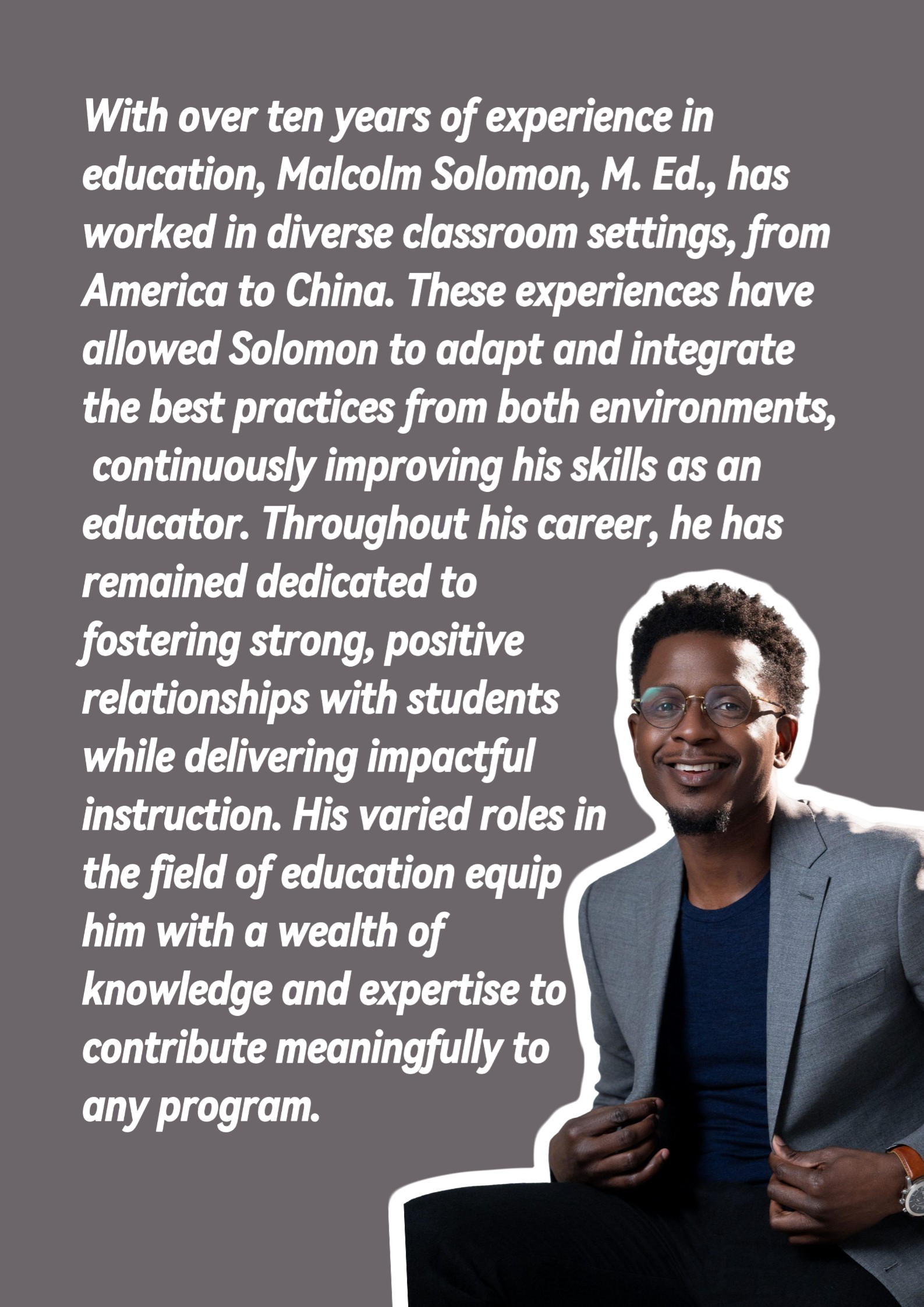 Check out Malcolm Solomon’s bilingual book Choosing the Best International School for Your Child, where he dives into the world of international education in China and how to find the school that’s the perfect fit for your child.
Images: Malcolm Solomon, Freepik